


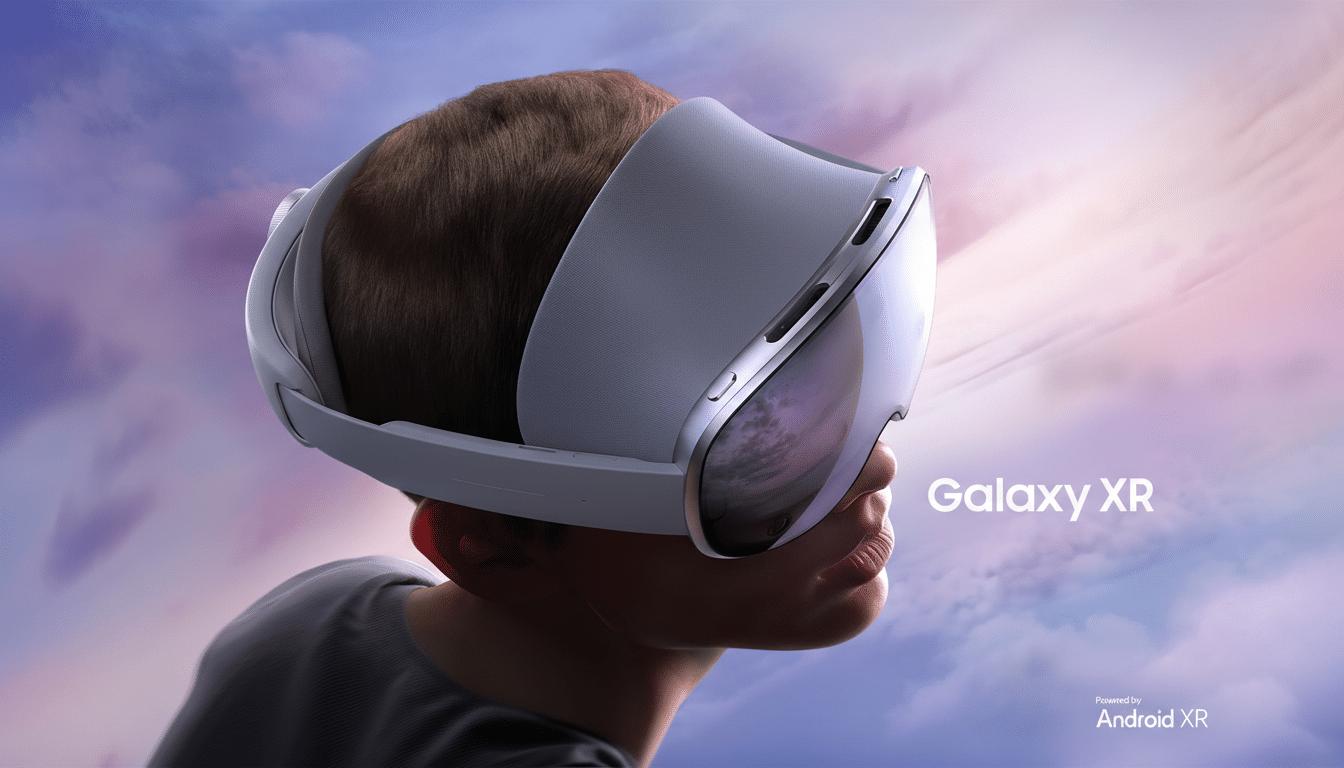
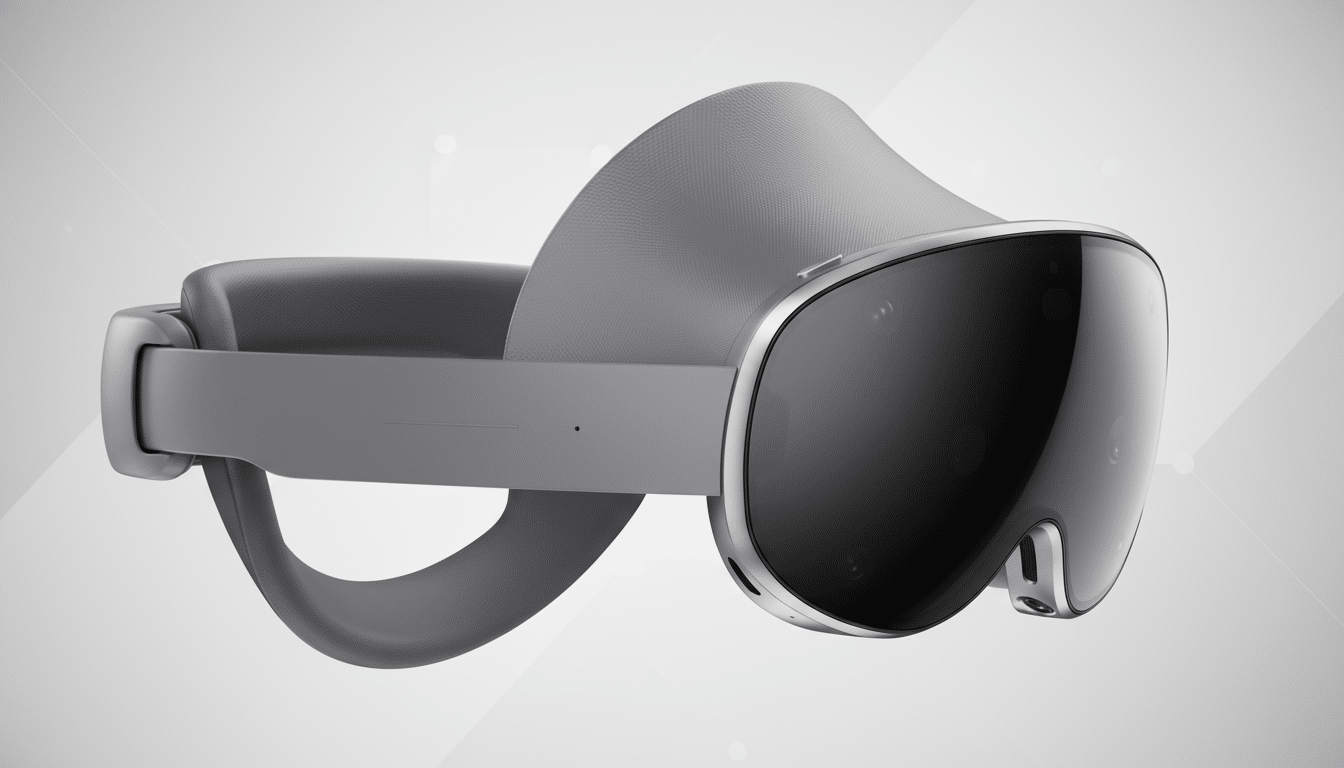
Samsung just made its mixed reality headset far more useful by releasing a dedicated SmartThings app for Galaxy XR, giving owners an always-on reason to keep the visor strapped on. The new app brings core smart home controls into an immersive interface, closing a key gap in the headset’s early app lineup and signaling stronger first-party support ahead.
Smart Home Control Goes Spatial With The New Galaxy XR App
Optimized for extended reality, the SmartThings app lets Galaxy XR users manage compatible lights, plugs, thermostats, sensors, and scenes without reaching for a phone. The basics matter: quick toggles, brightness and temperature sliders, and access to routines transform XR from a novelty into a daily control center. It’s the kind of persistent, low-friction utility that keeps a headset on your face rather than back in its case.
In practice, that means adjusting the living room lights between meetings, arming a security routine before a workout, or checking whether the garage door is closed—all from within the XR environment. Because SmartThings already spans multiple brands and standards, the headset can act as a unified remote for a diverse home, provided you have an existing SmartThings hub or compatible Samsung device acting as the bridge.
The rollout was first spotted by SamMobile, and while Samsung has not detailed every capability, early impressions suggest a familiar SmartThings layout translated to spatial controls. Expect the core device tiles and scene triggers you know from the phone and TV apps, adapted for gaze, gesture, and controller input.
A Timely Boost For The Galaxy XR Ecosystem
Before launch, the biggest question around Galaxy XR was software depth. The headset avoided the absolute drought seen by some rivals, but it still needed everyday anchors beyond media and productivity. Smart home control fits perfectly: it’s routine, high-frequency, and personal. Parks Associates has reported for years that more than one-third of US broadband households own at least one smart home device, and adoption continues to grow—exactly the kind of mainstream behavior that can make XR feel essential rather than occasional.
First-party apps carry extra weight, too. When the platform owner shows up with practical tools, third-party developers follow. Samsung has built SmartThings into TVs, monitors, appliances, and phones; extending it to XR aligns with that strategy and raises the odds that other Samsung apps—think media, productivity, and wellness—arrive with equally thoughtful spatial designs.
What’s Missing And Why It Matters For Galaxy XR Users
The initial release reportedly omits a few features, most notably Map View—the 2D floor plan that lets you place devices by room and visualize your home at a glance. That’s an odd absence precisely because XR is primed for spatial context. Imagine pinning a virtual thermostat near your real hallway or seeing motion sensors appear where they actually live. If Samsung brings Map View to XR, it could become the signature interaction model for spatial smart homes.
Even without Map View, core controls are enough to make XR a reliable companion. The bigger questions are latency and reliability: do device states update instantly, and can routines trigger without hiccups? SmartThings’ support for Matter and Thread via compatible hubs bodes well for low-latency local control, but the XR app’s real-world performance will determine whether people trust it for alarms, locks, and other critical tasks.
How It Compares To Other Headsets And Smart Home Platforms
Competitors have dabbled in smart home control, but breadth and consistency vary. Apple’s headset leans on the Home app and HomeKit accessories, while many standalone XR devices rely on companion phones for deep device management. SmartThings brings an advantage in multi-brand support, especially as Matter broadens interoperability across ecosystems. If Samsung nails the XR experience, it could set a benchmark for how spatial interfaces ought to manage the modern home.
The Bottom Line: SmartThings Makes Galaxy XR More Useful Daily
By bringing SmartThings to Galaxy XR, Samsung just unlocked a daily, high-value use case that reduces the urge to remove the headset. Feature parity with mobile isn’t all there yet—Map View is the obvious next step—but the foundation is strong. For XR to break out, it needs reasons to be worn in between marquee demos. Smart home control is one of those reasons, and it’s now baked into Samsung’s ecosystem where it counts.
