


Nearly a third of Android buyers pick Samsung. That’s the conclusion drawn from recent market trackers (like Counterpoint Research) that report Samsung maintaining a grip of 30%+ on Android shipments worldwide — even though there are now more than 140 brands out in force. The wonder is why one company has an advantage so sustained — and why it still seems so difficult to close on.
Vertical Integration and Hardware Leadership
Here, Samsung has a head start by controlling some of the critical components.
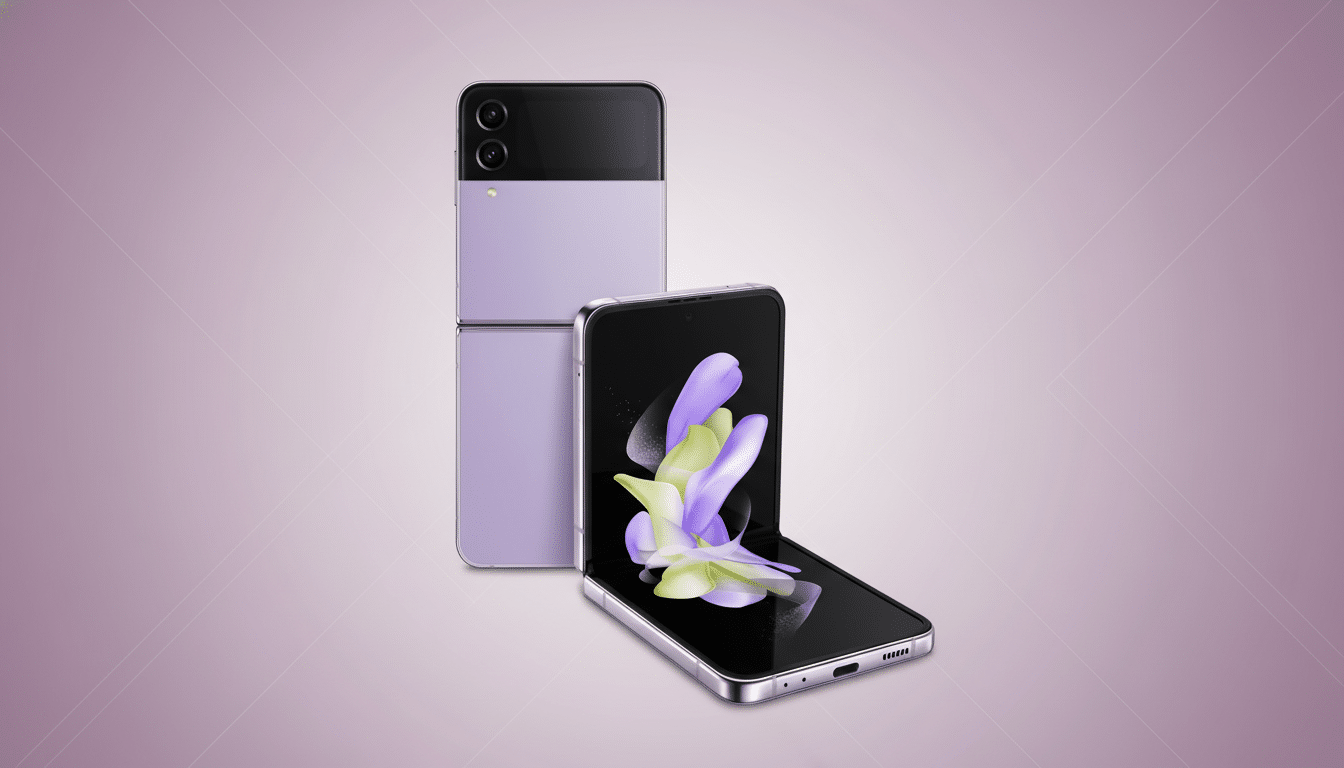
It manufactures OLED displays, memory and storage, even its own Exynos chipsets — and ships the components in massive quantities to its handsets and those of competitors. Apple, Google and a handful of Chinese brands have turned to Samsung Display for cutting-edge AMOLED panels, only adding to the idea that Samsung screens are best in class.
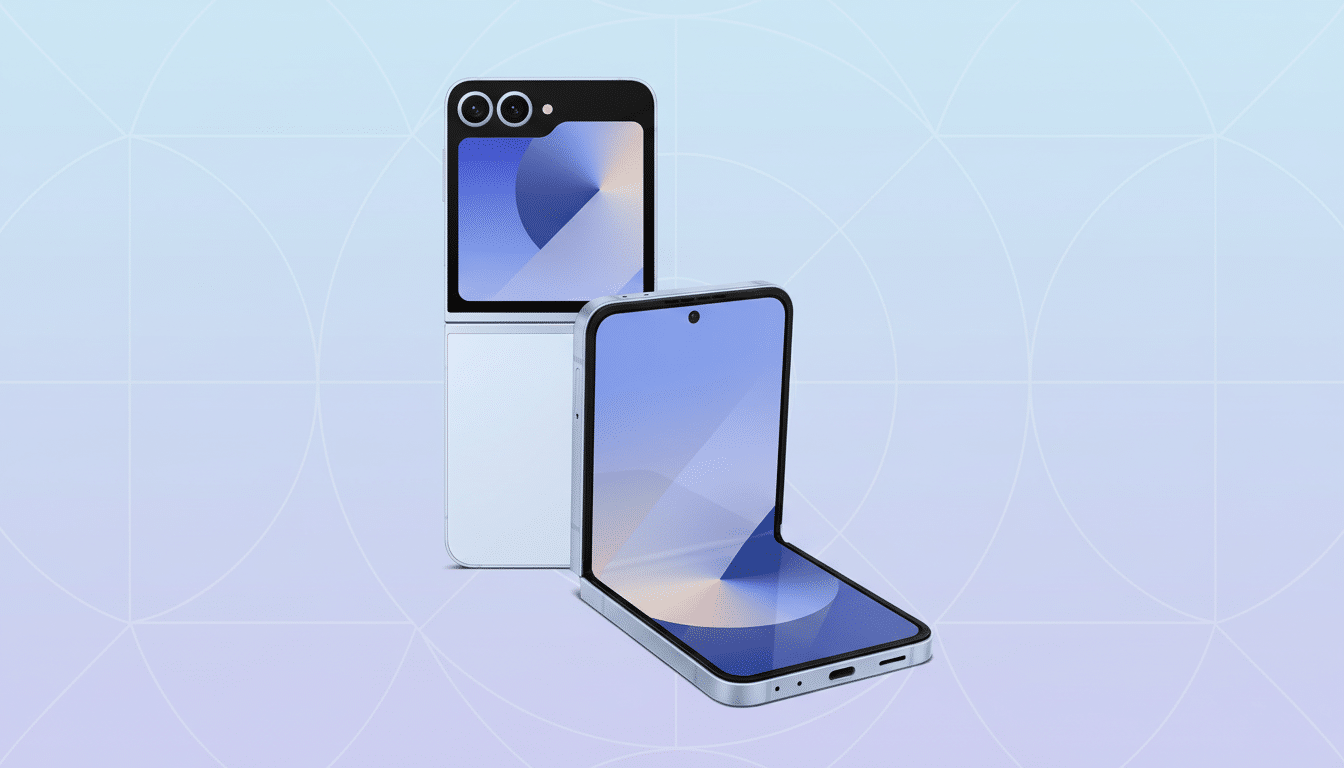
The company’s R&D spend, which has extended north of $20 billion a year in its filings, backs a constant flow of hardware bets. It made the big-screen “phablet” popular with the original Note, and it has led today’s modern foldable push with the Z Flip and Z Fold lines, some of which are among the best-selling foldables outside China, according to conversations about the category at Canalys and DSCC. That hardware credibility translates into consumer trust — people buy what they think will last.
Software That Promises to Outlive Rivals
Amazing specs are not enough to take a phone if the software falls flat. One UI has grown to become one of the more refined Android experiences around: it’s quick, consistent throughout its ranks, and loaded with useful extras. Power users point to the DeX desktop-like multitasking, Secure Folder, the Knox platform for privacy and device security, and Good Lock customization. Galaxy AI capabilities include useful, modern touches like on-device summarization and translation (on supported models) that don’t feel gimmicky.
Crucially, Samsung is now backing up that experience with long-term support. Galaxy S24 series flagships receive as many as seven years of OS and security updates, just like Google with its promise for the Pixel 8 series. Most Galaxy A phones get longer-than-average OS and security coverage compared to the competition. In contrast, several Android rivals still cap out at four OS upgrades. That commitment lessens risk and sharpens resale values for consumers, enterprises, and carriers.
A Portfolio for Every Budget and Region Worldwide
Samsung’s plan is nothing if not about volume. From sub-$200 models to $2,000 foldables, there’s a Galaxy for almost every budget and market. The Galaxy A series shifts massive volumes across Asia, Africa, and Latin America; premium Galaxy S and Z models are the lynchpins of margins in North America and Europe. That kind of smorgasbord generates a neat upgrade path from A to S or Z: you can start on an A (or something close) and take a graduation leap to the S or Z without relearning the ecosystem.
Rivals such as Xiaomi are also flooding the market with options, but Samsung’s offerings come with the package of brand recognition, after-sales care, and consistent software behavior. The result is less friction for buyers and fewer surprises.
Marketing Muscle and Global Retail Reach Drive Sales
Scale funds visibility. Samsung’s global marketing juggernaut includes sports sponsorships, TV commercials, and relentless digital promotions. That presence is amplified at retail: carriers and big-box chains devote entire sections to Galaxy devices, use aggressive trade-ins, and include Samsung prominently in circulars because Galaxy phones sell well and people just don’t return them.
Distribution is equally decisive. Samsung is on the shelf of every major carrier in the U.S. In most Western markets, OPPO and Xiaomi don’t have the same presence with carriers, which limits financing options that are responsible for driving most premium sales. IDC and Counterpoint have underscored again and again the way carrier relationships dictate market share — and Samsung’s go back decades.
Brand Trust and the Geopolitics Effect on Android Sales
Country-of-origin perceptions still matter. Another factor is that Samsung’s South Korean roots present less geopolitical friction with key Western markets than do Chinese brands facing mounting scrutiny. The Huawei sanctions were evidence that policy could change demand on a dime. Meanwhile, Samsung’s security credentials — thanks to Knox and government and enterprise certifications galore — underpin its reputation as the “safe” Android option.
There have been stumbles, including the Note 7 recall, but the company’s response and subsequent emphasis on quality maintained long-term trust in the brand. Today, the Galaxy S brand attracts a certain cachet that not many Android rivals enjoy and helps make such premium pricing feasible.
What It Would Take to Topple Samsung’s Android Dominance
Rivals can eat away with sharper value or breakout features, but unseating a leader with distribution, updates, and vertical integration generally requires a platform shift. Consider how Nokia’s dominance was overturned by touch-first smartphones. A similar shift — be it on AI-first devices, extended-reality form factors, or some other new paradigm — could change the game once again.
Until then, the math is on the incumbent’s side. Hardware made from its homegrown parts, software backed up for years to come, phones for every price, and more retail reach than anyone explains why Samsung enjoys something like 33% of all Android buyers — and why the crown still sits.
