


I’ve carried a Galaxy Ultra in my pocket for years, and the Galaxy S25 Ultra came agonizingly close to being my daily driver. As Samsung readies the Galaxy S26 Ultra, early signals suggest the new model may echo the S25 Ultra’s strengths but also repeat its most frustrating misses. Based on credible reporting and hands-on experience with the S25 Ultra, these are the three pain points I’m watching most closely.
Camera performance plateaus around 3x zoom on Ultra models
ETNews has reported a familiar-looking camera stack for the Galaxy S26 Ultra: a 200MP main sensor, 50MP ultrawide, 10MP 3x telephoto, and 50MP 5x telephoto. On paper, that’s a safe formula. In practice, the 3x camera is where last year’s S25 Ultra consistently underdelivered. The 10MP module has been in rotation across several Ultra generations, and in side-by-side shots, fine textures and facial detail at 3x frequently looked soft next to crops from the 200MP primary.
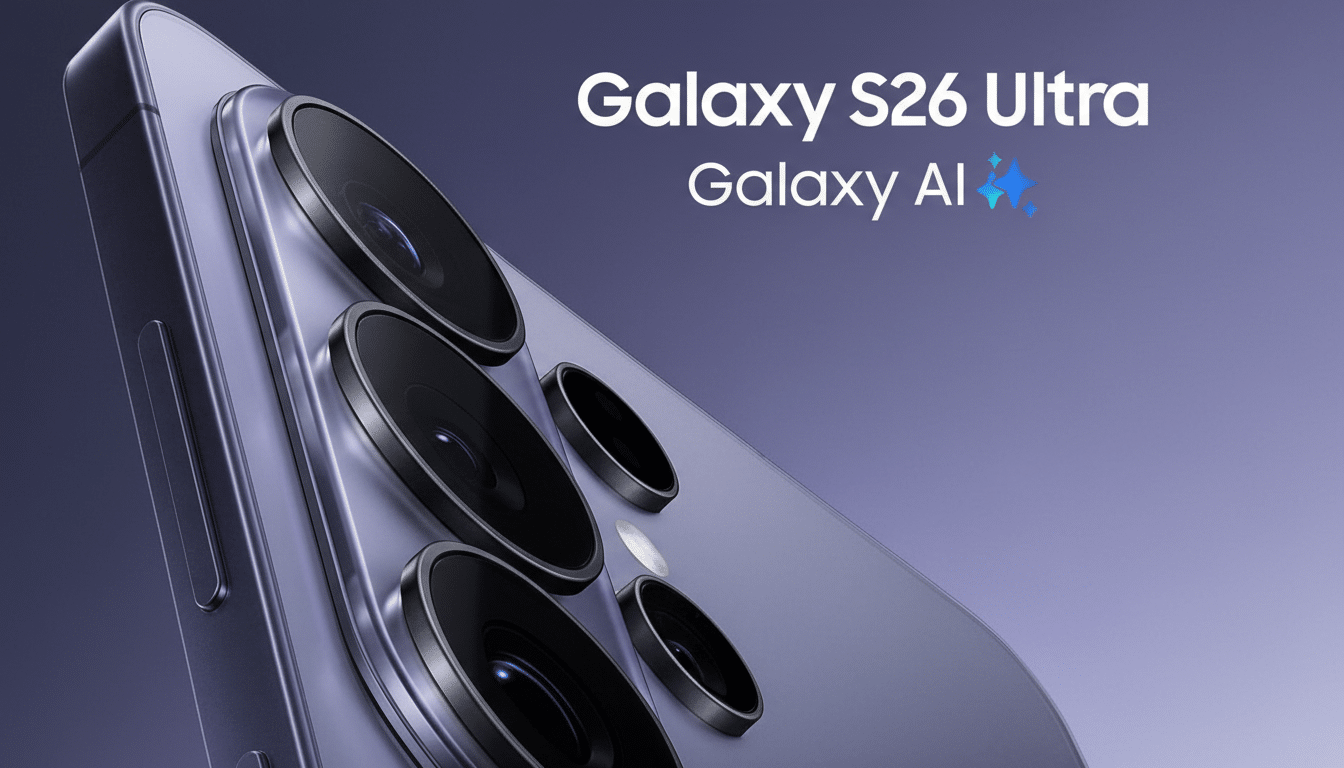
Competitors attacked this middle-zoom problem head-on. Apple’s recent Pro Max class emphasized higher native telephoto magnification for cleaner midrange framing, while top Chinese flagships leaned on larger sensors and aggressive portrait tuning to produce striking 2x–5x people shots. If the S26 Ultra sticks with a similar 10MP 3x module, Samsung will need noticeably smarter processing—noise control, sharpening, and color consistency across lenses—to stay in the conversation.
Realistically, power users may keep relying on the 200MP mode and crop for 2x–4x framing when light is good, switching to the 5x lens in dimmer scenes. That workaround shouldn’t be necessary on a phone that otherwise excels at versatility. A modernized 3x sensor—or a hybrid optical path that favors higher native magnification with lossless de-zoom—would change the equation overnight.
Ergonomics need more than a weight cut on the Ultra
The S25 Ultra delivered an impressive 218g on the scale, a rare feat for a big-screen flagship. Yet it was tougher to live with than its heavier predecessors. The slab sides and minimal edge taper created pressure points that dug into the palm during long reading sessions, one-handed navigation, and prolonged camera use. In other words, grams went down while hand strain went up.
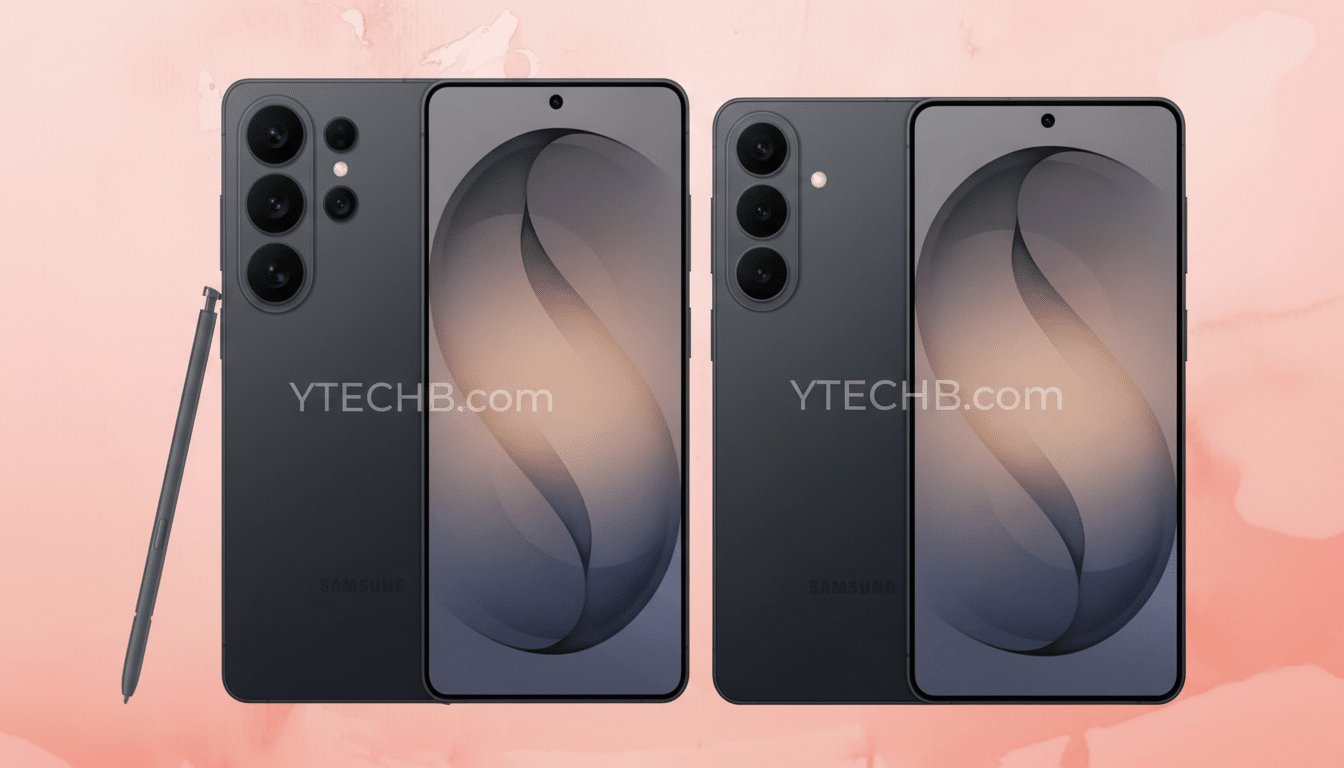
A now-removed video shared by prominent leaker Evan Blass suggested the S26 Ultra could retain the same boxy silhouette with flat rails. That aesthetic photographs well, but day-to-day comfort depends on subtleties: micro-chamfers, a gentler back curve, a slight front radius, and a more forgiving button contour. Apple and Google have in recent years softened their premium models’ frames without abandoning a premium, squared-off look. Samsung can do the same without compromising S Pen storage or internal space.
Ergonomics are not cosmetic; they dictate how often you reach for the device without a case, how steady portrait shots look at 3x–5x, and how quickly fatigue sets in. A few millimeters of contouring can matter more than 10g of weight loss. If the S26 Ultra repeats the S25 Ultra’s geometry, it risks feeling great on a spec sheet and harsh in a hand.
Price and value pressure intensifies at the top end
Samsung priced the S25 Ultra at $1,300 for the base model. Launch promos helped—doubling storage to 512GB eased the sting—but the sticker still sat above many rival flagships. Rumors are split on whether the S26 Ultra will hold the line or inch higher due to component costs that industry trackers like TrendForce have flagged in recent cycles.
At four figures, value stretches beyond hardware. Samsung’s long software commitment—multi-year OS upgrades and security patches—has become a key pillar. But the hardware must be forward-looking enough to feel fresh into years five, six, and seven. That raises the bar for the S26 Ultra’s weakest links: a 3x camera that needs a leap, and ergonomics that should invite case-free use. If those don’t improve, even aggressive trade-ins and storage bumps may struggle to sway seasoned buyers who already own an S23 or S25 Ultra.
There’s also the competitive halo to consider. Apple and Google typically start their top models below the S25 Ultra’s base price, while Chinese brands keep pushing camera hardware at aggressive MSRPs overseas. For Samsung, the calculus is simple: if the S26 Ultra looks like an iterative camera update inside a sharp-edged frame, it will need standout experiences elsewhere to justify the premium.
What could change my mind about the Galaxy S26 Ultra
Samsung has teased a display-level privacy feature expected to debut on the S26 Ultra that uses pixel-level light control to limit off-axis viewing. If implemented without the brightness and color penalties of physical privacy protectors, this could be a daily-use upgrade for commuters, business travelers, and anyone who works in public spaces.
Pair that with a re-tuned imaging pipeline that elevates 3x output, and even subtle frame adjustments—gentler edges, improved grip texture—could turn the S26 Ultra into the device I wanted the S25 Ultra to be. Until then, my three biggest concerns remain the same: mid-zoom stagnation, form-over-comfort design, and a price that demands more than incremental gains.
