


Specs for Samsung’s next flagship trio have been leaked, and they paint an incremental but promising picture for the Galaxy S26 family. The files, provided by reputable leaker Ice Universe on X, allegedly show bigger batteries and subject-appropriate screens across the range, faster charging in the top model, and region-based continued co-operation between Qualcomm and Samsung silicon.
What the Galaxy S26 leak shows across all three models
The vanilla Galaxy S26 is rumoured to use a 6.3-inch FHD+ panel, slightly bigger than the current model, with an adaptive refresh rate from 1Hz to 120Hz and peak brightness with searing ratings around 2,600 nits. That little size increase over the former base model is further accompanied by a larger 4,300mAh battery — something that’s likely to provide an appreciable bump in endurance without drastically changing the phone’s overall dimensions.
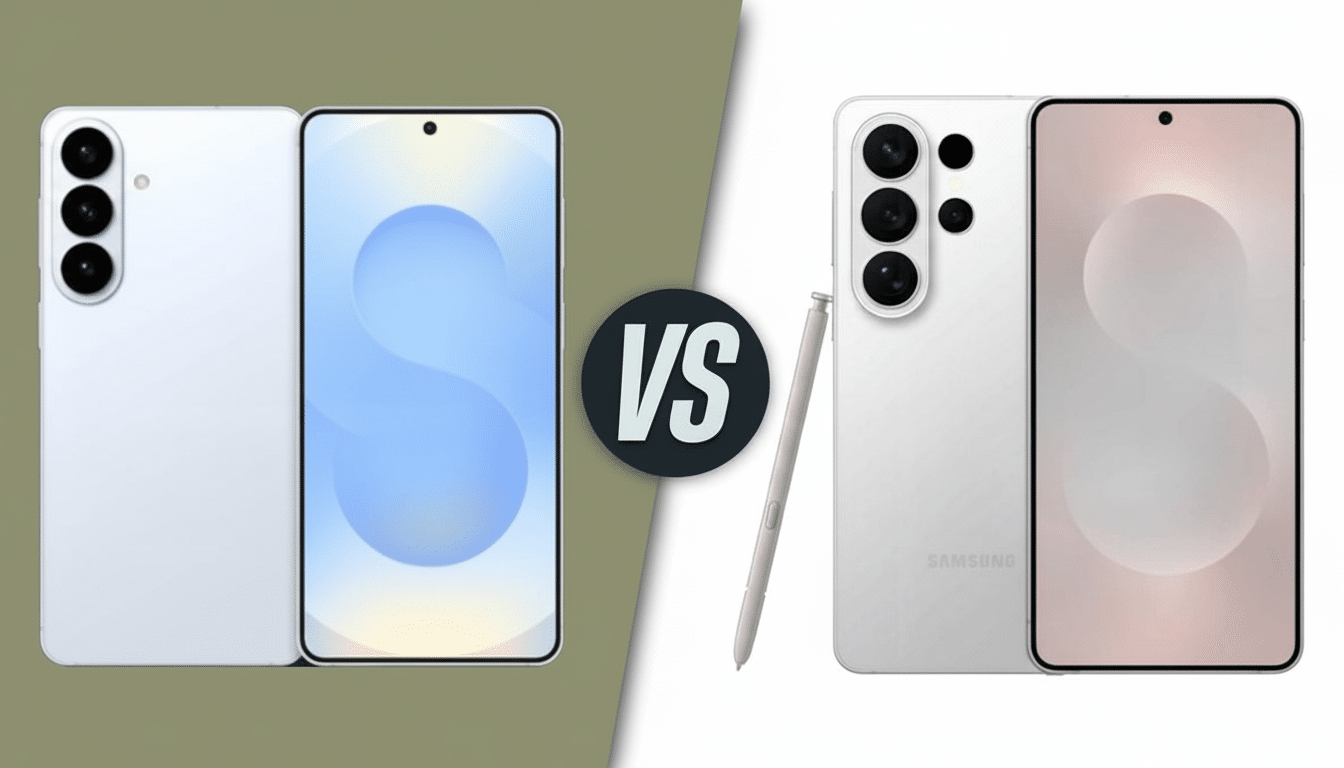
On paper, the cameras stay the same: a 50MP primary, 12MP ultrawide and 10MP 3× telephoto. The real news may be less about new sensors and more about tuning. In recent generations, Samsung has relied on multi-frame processing and better subject recognition to advance image quality without overhauling optics.
Storage could start at 256GB for the base S26 now, the sheet suggests, bringing an end to the 128GB tier. If true, that’s a consumer-friendly move — and it jibes with expanding app sizes and the increasing taste for on-device AI features to keep more models local.
Chipsets split by region and a big bet on on-device AI
The processor tale dovetails with the most recent Samsung playbooks. According to the same source, the Galaxy S26 and S26 Plus will offer Snapdragon 8 Elite Gen 5 or Exynos 2600 SoC options depending on the region, while the Galaxy S26 Ultra is another global-exclusive Snapdragon variant. Meanwhile, Qualcomm’s next flagship SoC is also expected to be a 3nm part with an enhanced NPU, and Samsung’s Exynos 2600 has been rumoured to work on its latest 3nm GAA process with an emphasis on efficiency and local AI throughput.
That approach fits in with Samsung’s larger AI strategy. Its services offer on-device processing for translation, image editing and summarisation work to minimise latency as well as maintain privacy. When the Exynos 2600 hits, if efficiency rebounds like insiders hope, then places important to the Exynos could experience smoother thermal behaviour and more steady sustained performance — a key for gaming or long camera sessions.
Displays, batteries and charging changes in Galaxy S26
The S26 Plus seems to keep the 6.7-inch QHD display, keeping brightness and refresh levels, as well as a 4,900mAh battery. The sheet also notes a more compact 7.3mm profile, and a slightly lighter weight, at around 194g, which means that Samsung has managed to somehow fit everything in a smaller footprint while keeping similar capacity.
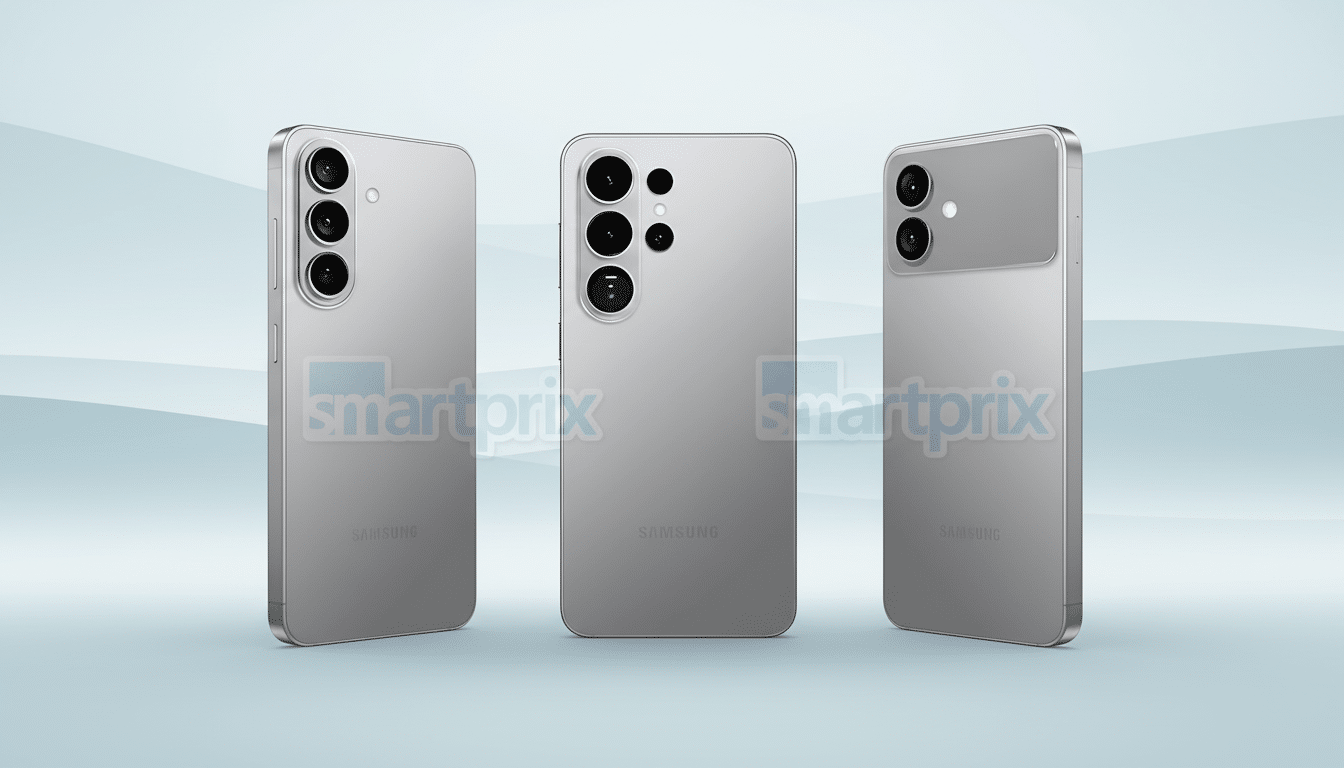
More significant changes are happening at the high end. The S26 Ultra maintains its large 6.9-inch QHD display but will reportedly move to a new M14 OLED material set. Display supply chain analysts have connected M-series material advancements with efficiency improvements and longevity; a slight bump can correlate to extra screen-on time or cooler operation under heavy duty.
The Ultra also has a charging bump to 60W from 45W, a useful quality-of-life improvement. It’s no chart-topper, but 60W charging would cut double-digit minutes off a full charge, especially when combined with smarter thermal management and adaptive charging algorithms to protect battery life.
Cameras stay put as software tuning takes the lead
The leak claims that the S26 Ultra will include a 200MP main camera, 50MP ultrawide, 10MP 3× telephoto and 50MP 5× telephoto — roughly the same setup as now. That stability suggests a software-first cycle. Look for tuning to auto HDR, night scene fusion and portrait edge detection, all of which are computationally heavy areas where we’re seeing visible gains without swapping sensors. Trade testing groups consistently put annual photo improvements down to more of this kind of tuning than raw megapixels.
Why this extra year of refinements matters for buyers
At first brush, the S26 series sounds like a conservative refresh. But when you add up all of the small changes — a slightly bigger base battery, more starting storage capacity, more efficient OLED materials and faster charging on the Ultra — it becomes something that improves how these phones feel from day to day. As industry analysts including IDC and other market trackers have observed, consumers are holding onto phones longer, so endurance (meaning both thermal stability and long-term performance consistency) has become more vital than sensational spec leaps.
Timelines are unconfirmed, and as is always the case with prelaunch sheets, information can change. So the outline of the S26 range is taking shape: familiar designs, more intelligent power management and a definite emphasis on AI-ready silicon. Assuming the leak is accurate, potential upgraders can look forward to gains that matter most after the honeymoon phase, when you’re sitting at 20% battery strength and your gadget’s performance has slowed but you still need your camera to nail a crucial shot.
