


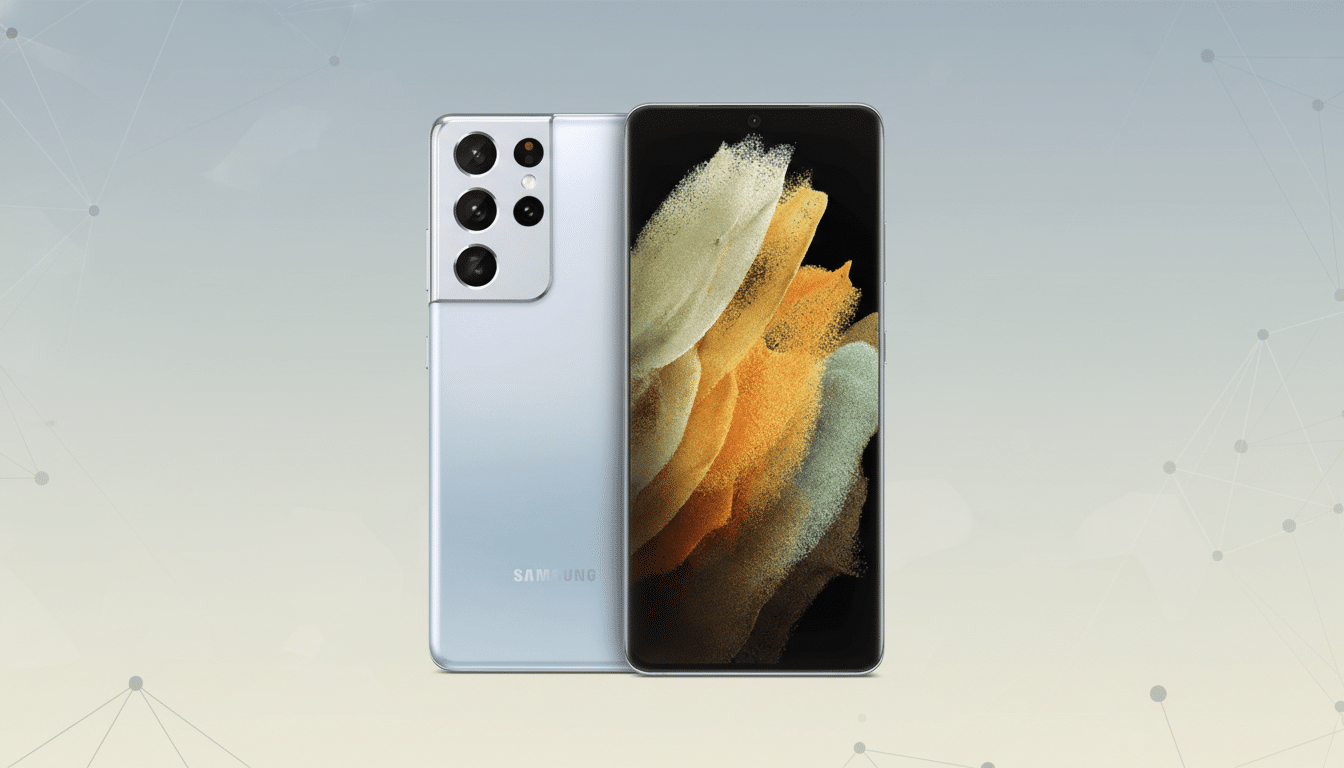
Samsung has quietly retired routine software support for the Galaxy S21 line, with the S21, S21 Plus, and S21 Ultra no longer appearing on the company’s monthly or quarterly security update schedules. Listings on Samsung’s official security bulletin, noted by long-running tracker SamMobile, indicate the former flagships have reached the end of regular patches, with only emergency fixes possible going forward.
What Samsung Changed And Why Support Is Ending
Samsung’s update policy is tied to each device’s launch-era promise. The S21 family was among the first Galaxy phones to benefit from an expanded pledge of four Android version upgrades, plus a defined security window. That commitment has now run its course. In practical terms, the devices have received their full complement of major OS updates and will no longer be on a monthly or quarterly cadence for security patches.
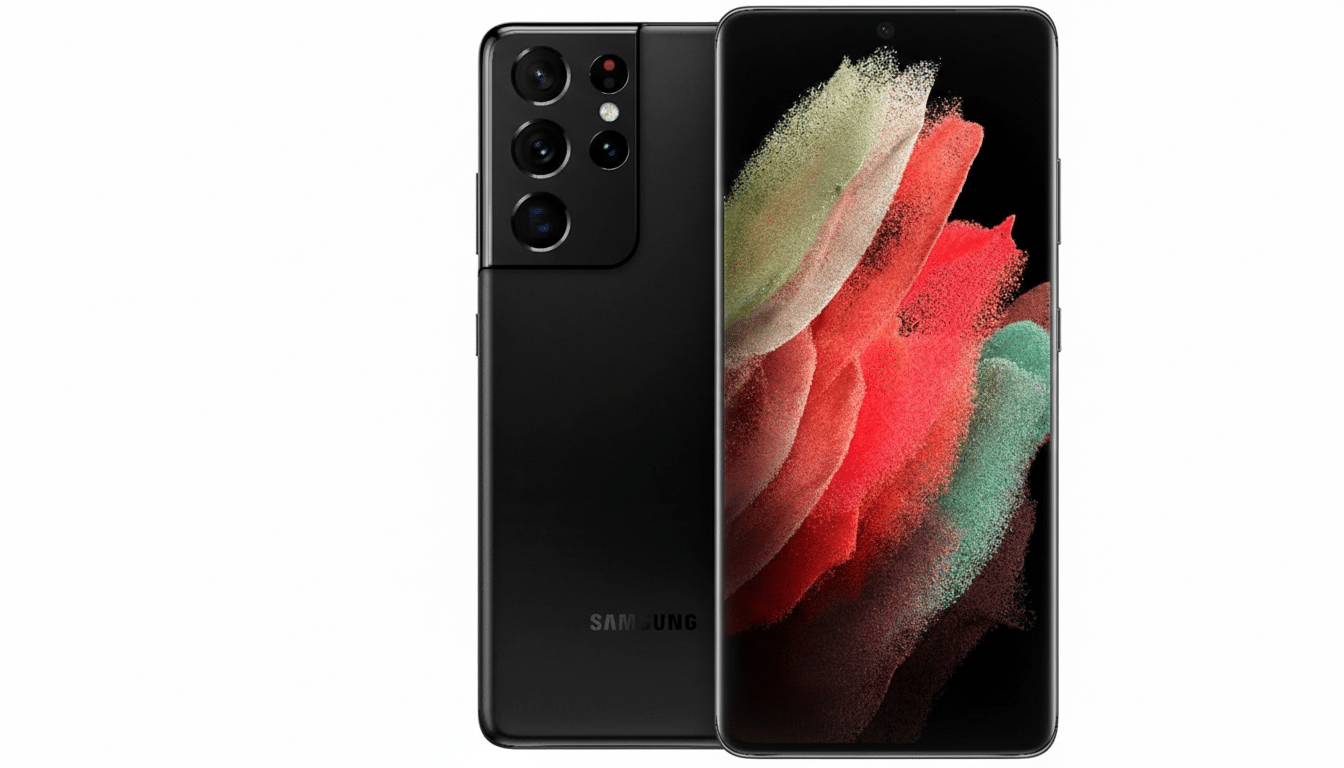
This shift arrives as Samsung’s newest flagships have moved to a much longer runway. The Galaxy S24 series introduced a seven-year OS and security pledge, but that policy does not apply retroactively. The S21 lineup remains governed by the original support terms it launched with.
Meanwhile, the Galaxy S22 series has transitioned from monthly to quarterly updates, a typical late-life step-down that signals it is approaching its own support sunset. The Galaxy S21 FE remains on the quarterly list for now, sitting apart from the rest of the S21 family.
What It Means For Galaxy S21 Owners Going Forward
Your phone will keep working, and apps will continue to run, but the risk profile changes without routine security patches. Vulnerabilities discovered in the Android framework, kernel, or vendor drivers may go unpatched on the S21 series unless Samsung issues a one-off emergency fix. That can matter for high-value targets, heavy travelers, and anyone installing apps from outside trusted stores.
Banking and enterprise apps that perform device integrity checks typically rely on Play Integrity and patch recency. While many will continue to function, out-of-window devices are more likely to encounter warnings or restrictions over time. Feature drops and One UI refinements also cease, so any new Samsung services or AI features will skew toward newer hardware.
How Samsung’s Policy Stacks Up Against Rivals
With the S24 generation, Samsung joined the small group of phone makers pledging ultra-long support. Google offers seven years on the Pixel 8 line. Fairphone targets extended lifecycles as well, striving for multi-year security coverage beyond the market norm. Several Android brands now advertise four OS upgrades and five years of patches on select flagships, but only a handful match the latest seven-year mark.
Legacy devices like the S21 also face component realities. Long-term maintenance requires chipset-level support for firmware, GPU, and modem drivers, plus backporting fixes into older kernels. As silicon vendors wind down development for past platforms, sustaining high-frequency updates becomes exponentially harder and costlier. That technical backdrop explains why newer models enjoy longer promises while older ones age out.
Practical Next Steps And Upgrade Paths To Consider
If security recency is important to you, consider moving to a device covered by a current multi-year pledge. Samsung’s recent Galaxy flagships and Fan Edition models offer extended support windows, and trade-in programs through Samsung and major carriers can soften the cost depending on device condition and storage tier.
If you plan to keep your S21, tighten your defenses.
- Stick to the Play Store.
- Enable Google Play Protect.
- Apply Google Play system updates from Settings.
- Remove unused apps with broad permissions.
- Avoid sideloaded APKs.
- Turn on two-factor authentication for key accounts.
- Use a modern browser with strict anti-tracking settings.
- Promptly install any critical patches Samsung releases.
The Bottom Line For Galaxy S21 Support Ending
Retirement from the update schedule is a milestone, not a malfunction. The Galaxy S21 series delivered its promised OS upgrades and years of patches, and now bows out as Samsung shifts its focus to devices covered by newer, longer commitments. For owners, the calculus is straightforward: either accept the security trade-offs and harden your setup, or step into a model with many more years of assured support.
