


Samsung has officially put a number on its most ambitious foldable yet. The Galaxy TriFold will arrive in the US with a sticker price of $2,900, confirming both the cost and the rollout plan for the dual-crease device that expands into a tablet-class canvas.
That figure plants the TriFold squarely at the pinnacle of premium smartphones. It also signals that Samsung believes there’s a real audience for a device that tries to replace a phone and a small tablet at once.
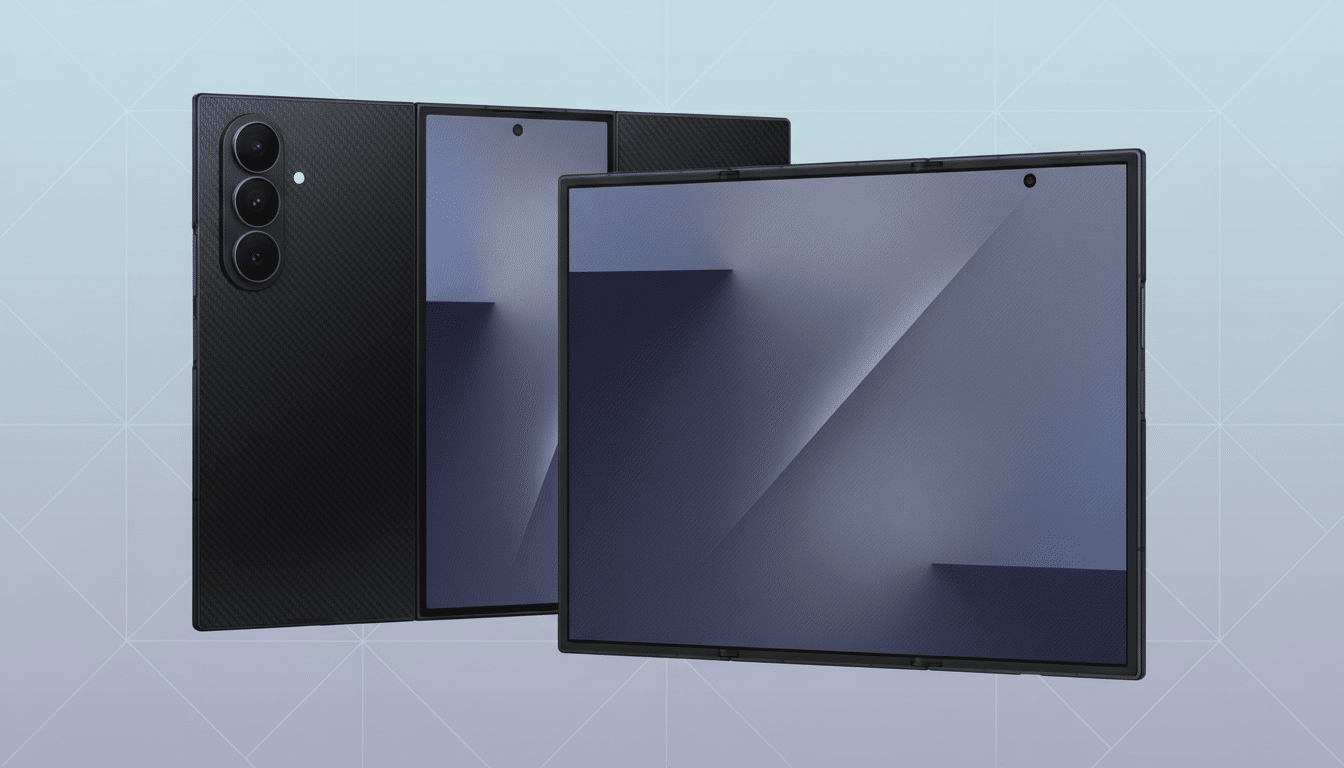
Samsung Confirms US Pricing And Availability
The confirmation ends months of speculation that pinned the TriFold’s price lower and suggested Samsung might hold the details for its next Unpacked showcase. Instead, the company is moving decisively: US buyers now have clarity on what it will cost and when they can get it.
Early hands-on impressions from analysts and press who saw demo units at CES described a surprisingly solid hinge feel and crease visibility that’s less distracting than you might expect for a two-fold panel. Even so, this is bleeding-edge hardware, and the price reflects that.
Price Context And The Galaxy TriFold’s Market Position
At $2,900, the TriFold sits well above Samsung’s book-style foldables, which in recent generations have hovered around the $1,799–$1,999 range in the US depending on storage and promotions. That premium isn’t just a markup; it’s an admission that a tri-fold design requires a different class of materials, display engineering, and software tuning.
It also drops into a market that’s still nascent but growing. Counterpoint Research estimated that foldables accounted for roughly 1.6% of global smartphone shipments in 2023, up from the prior year as more vendors entered the category. Samsung remains the leading foldable brand, even as competition from China has intensified and chipped away at share.
US adoption patterns will likely hinge on financing. Expect the usual 24–36 month installment plans from carriers and trade-in incentives that can soften the blow for owners of recent flagship phones. Without those offsets, the TriFold’s upfront price rivals a high-end laptop.
Why The Galaxy TriFold Costs This Much To Produce
Two hinges and a single, continuous flexible OLED are not just twice as hard to build. Yield rates drop as complexity rises, which pushes panel costs higher. Display Supply Chain Consultants has repeatedly noted that larger foldable panels carry a significant cost premium versus standard OLEDs, and multi-fold designs add even more steps to the stack.
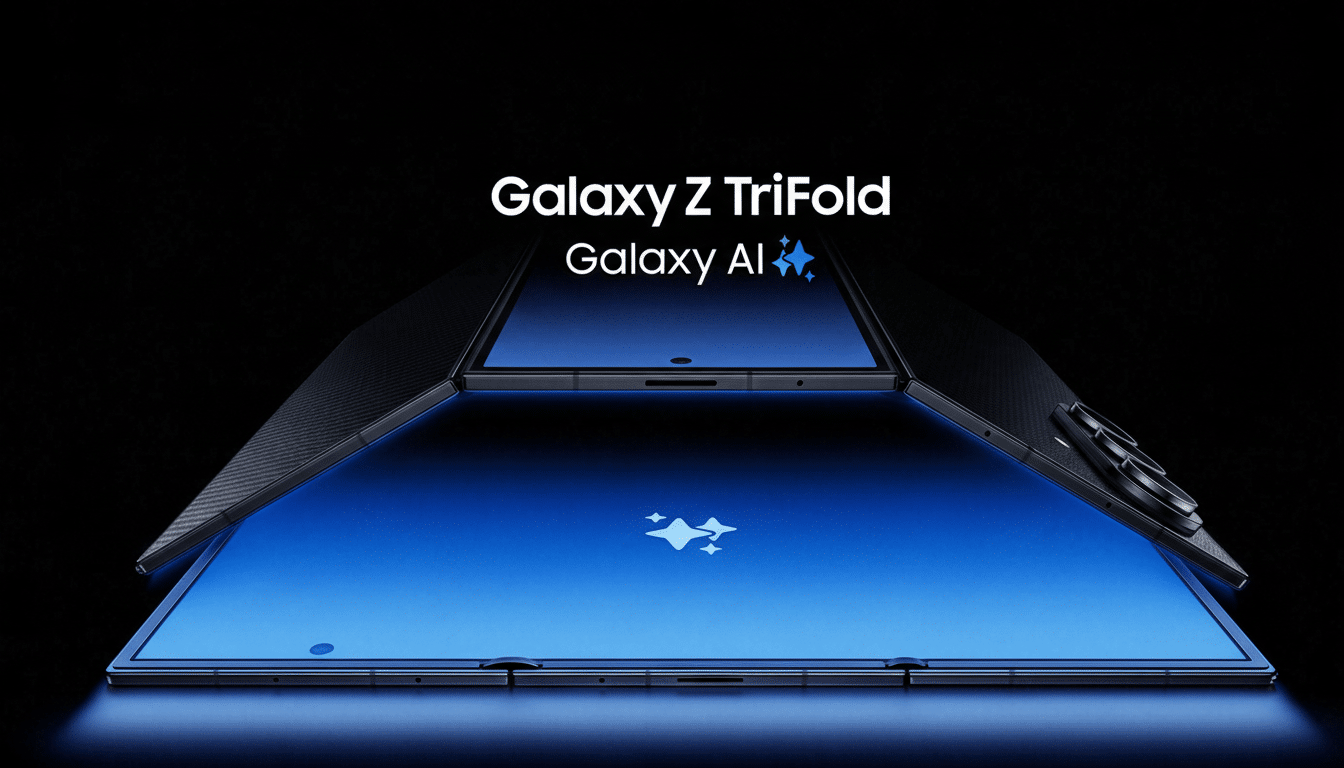
There’s also the bill of materials beyond the screen: custom hinge assemblies, ultra-thin glass with advanced protective coatings, and a chassis engineered to resist torsion when folded in multiple directions. Add in the R&D to make Android and One UI feel natural across three panels—app continuity, multi-window layouts, and input behavior—and the price begins to look less arbitrary.
Korean business outlets have even suggested that early TriFold units may be sold at slim or negative margins, a not-uncommon strategy when companies seed a new form factor. The bet is long-term ecosystem leadership and higher attachment rates for services and accessories.
Who This Device Is For And What To Watch At Launch
The TriFold’s value proposition is clearest for users who live in split-screen apps and heavy multitasking—think field consultants, creators working on timelines and storyboards, or travelers who want a pocketable sketchpad and e-reader without carrying a second device. If the software delivers frictionless transitions and stable layouts, it could feel like a tiny productivity workstation.
Key factors to scrutinize at launch include:
- Weight
- Thickness when folded
- Battery endurance under multi-window workloads
- Thermal performance
Durability will be another focal point: ingress protection ratings, hinge cycle testing, and warranty terms will heavily influence buyer confidence given the investment.
Ultimately, the Galaxy TriFold is a statement piece for Samsung and a litmus test for whether mainstream US buyers are ready to leap beyond the single-crease foldable. With pricing and availability now confirmed, the next question is simple: does the experience earn the premium every time you open it?
