


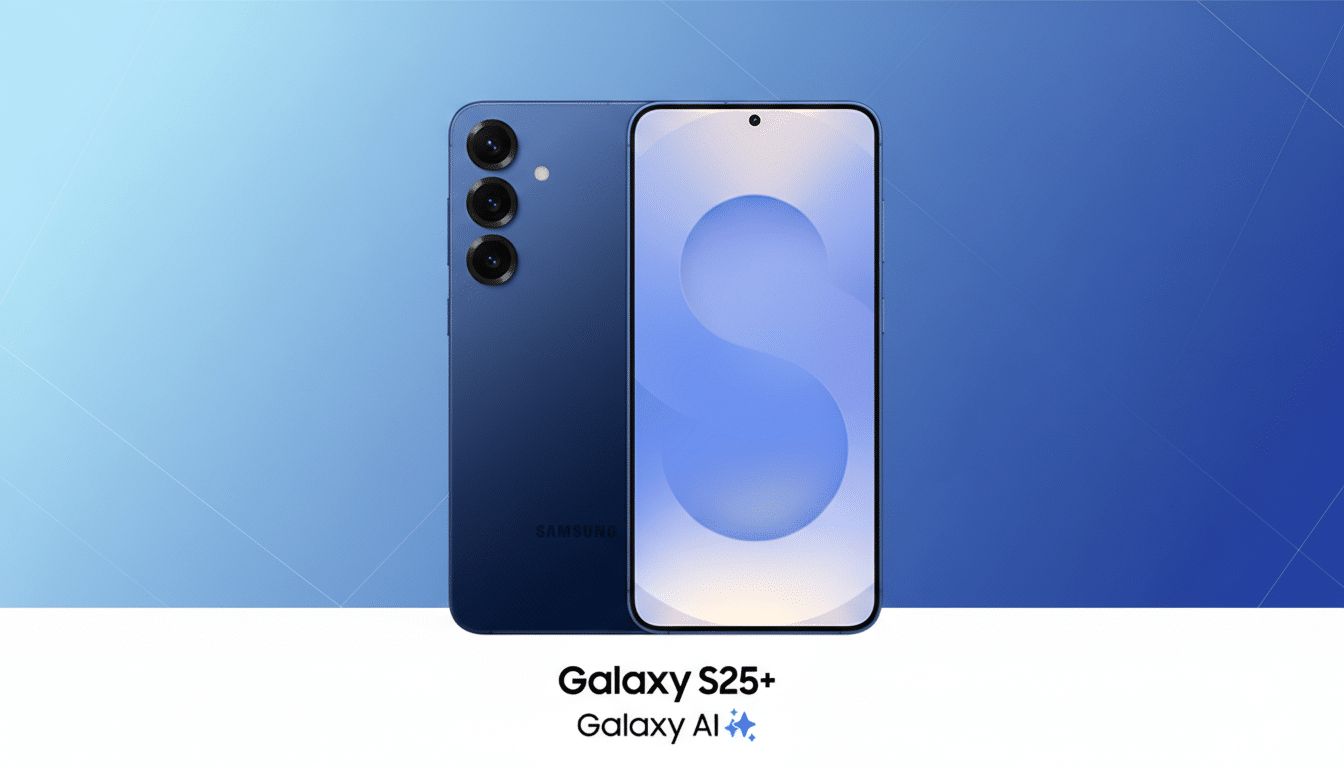
Samsung has acknowledged responsibility for a Galaxy S25 Plus that exploded while charging at a home in Indiana, agreeing to cover the cost of the device, medical expenses, and cleanup, according to the affected family’s documentation. The company’s insurance affiliate also extended a cash offer for pain and suffering, a move that signals a formal liability acceptance rather than a goodwill gesture.
The incident involved what investigators called a thermal runaway event, the chain reaction that occurs when a lithium-ion battery cell overheats and ignites neighboring cells. The family says the phone was two months old and was charging with an official Samsung charger and cable when it caught fire, burned through carpet, and filled the home with fumes that sent multiple people to the emergency room for smoke inhalation and respiratory symptoms.
What Samsung Agreed to Cover After S25 Plus Fire
Per materials shared by the family, Samsung agreed to reimburse the purchase price of the Galaxy S25 Plus, pay direct medical bills tied to the incident, and cover professional cleaning and restoration of the damaged area. Samsung’s Fire & Marine Insurance team also offered $500 per person for pain and suffering, covering two adults and one child.
The family contends that amount undervalues long-term monitoring for potential health effects from chemical fume exposure and does not address the psychological impact of waking to a burning device. One family member is reportedly now anxious about routine charging, a not-uncommon response following battery-related fires, according to burn and toxicology specialists.
The case appears to have followed a standard product-incident workflow: a local fire department documented a battery-induced fire, retained the device as evidence, then transferred it to Samsung’s forensic team for analysis. That chain of custody is typical in lithium-ion incidents to preserve components for failure analysis and potential subrogation claims.
What We Know About the Cause of the S25 Plus Fire
“Thermal runaway” describes the point at which a cell’s temperature and pressure escalate faster than they can dissipate, often triggered by internal defects, mechanical damage, manufacturing contamination, or abusive charging conditions. Using official chargers and cables reduces risk by enforcing proper voltage and current, but it cannot fully eliminate failures caused by latent cell defects.
Modern phones undergo certification against safety standards such as UL 2054, UL 62368-1, and IEC 62133, and manufacturers add multiple layers of safeguards, from battery management systems to thermal fusing. Even so, any mass-produced component—especially energy-dense cells—can experience sporadic defects. Industry research and safety certifiers generally characterize phone battery failures as exceedingly rare across the billions of devices in circulation.
Is This an Isolated Case in the Galaxy S25 Line
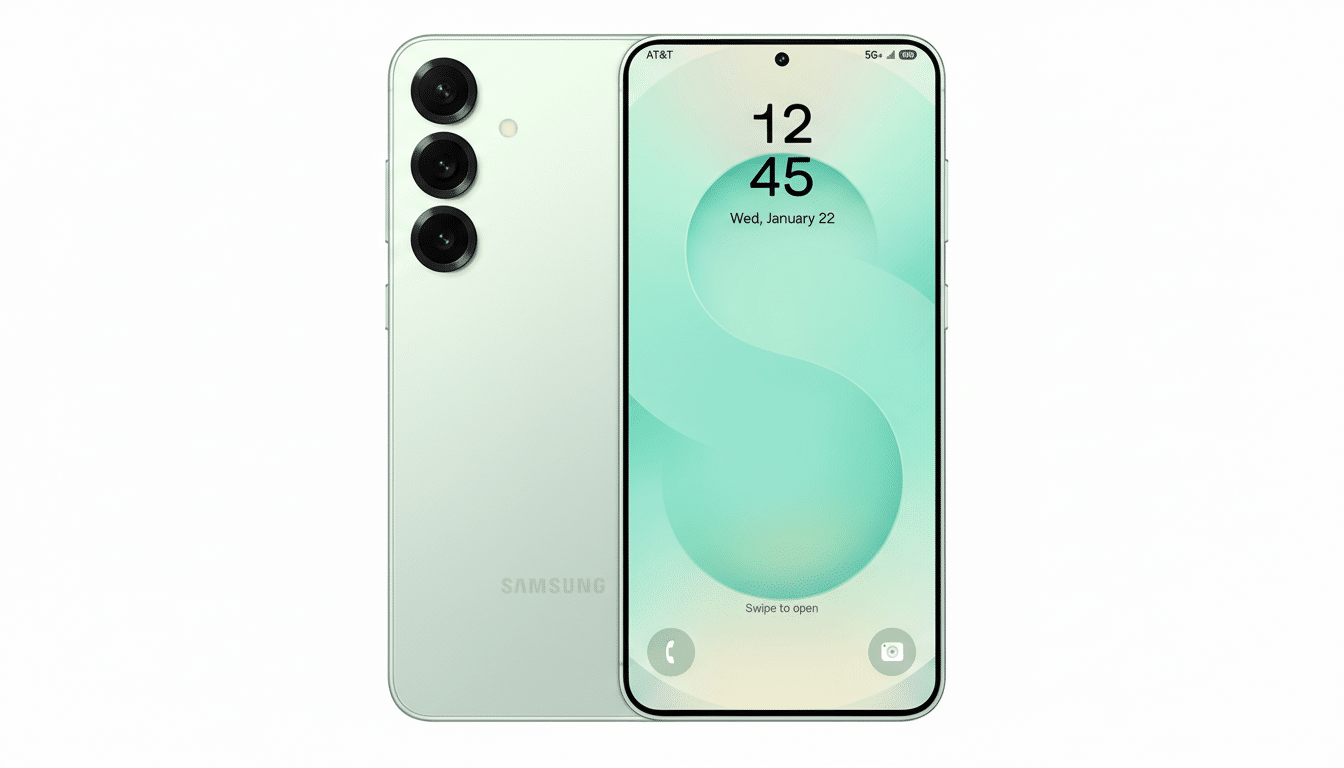
There is no evidence of a broad flaw affecting the Galaxy S25 series. Separate reports have surfaced of two other S25-related fires—one in South Korea allegedly while the device was idle, and another involving a phone charging inside a car—but these remain isolated accounts without a pattern indicating a systemic issue.
Samsung has not issued a public statement detailing its findings in the Indiana case. In product safety matters, companies typically conclude root-cause analyses before commenting more widely or taking corrective actions, such as service advisories or software updates. No recall has been announced for the S25 lineup.
Context From Past Incidents and Battery Recalls
The smartphone industry still remembers the Galaxy Note 7 recall, which reshaped how OEMs test and validate batteries. In its aftermath, major suppliers introduced more stringent multi-point inspections and X-ray checks for electrode alignment, and they expanded stress testing of charging and protection circuits. Those changes drove down incident rates across modern flagships, with spontaneous failures typically measured in a handful of cases among millions of units shipped.
While lithium-ion fires have risen in other categories—particularly e-bikes and scooters cited by municipal fire departments and the US Consumer Product Safety Commission—smartphones have not shown comparable spikes. The risk profile, energy capacity, and use environment differ substantially, and handset makers operate within some of the tightest quality controls in consumer electronics.
What It Means for Consumers and Practical Safety Tips
For individuals who experience a battery incident, documentation is critical:
- Preserve the charger and cable.
- Photograph the scene.
- Obtain a fire report.
- Seek medical evaluation for fume exposure even if symptoms seem mild.
Reporting the case to the manufacturer and the US Consumer Product Safety Commission helps establish a record that can support both medical care and broader safety oversight.
Practical risk-reduction steps remain straightforward:
- Use manufacturer-approved chargers.
- Avoid damaged cables or swollen batteries.
- Keep phones on hard surfaces while charging.
- Steer clear of extreme heat or soft bedding that traps heat.
- Install firmware updates to refine charging algorithms and thermal thresholds.
The Indiana case underscores two realities that can coexist: a single catastrophic failure can be life-altering, and yet it can remain statistically rare. Samsung’s acceptance of liability indicates the company believes the evidence supports the family’s claim, but absent a pattern across more devices, it is best viewed as an isolated, serious incident rather than a signal of systemic risk.
