


There’s an audacious new leak about Samsung testing a 20,000mAh silicon‑carbon battery for smartphones — only it reportedly faced a common next‑gen cell nemesis in swelling. If true, then the experiment is a hint of just how near the industry might be to jump‑worthy capacity, and also of how stubborn the physics is that keeps those gains out of our pockets.
What the latest Samsung battery leak allegedly claims
A dual‑cell configuration was on the testbed, according to one X (Twitter) tipster, reaching 20,000mAh in overall capacity with a 12,000mAh primary cell and an 8,000mAh secondary. The same account reported that the kit was providing about 27 hours of screen‑on time and around 960 charge cycles a year. Industry coverage, such as by Android Headlines, multiplied the claim, while a separate leaker indicated that one sub‑cell had increased in thickness from around 4mm to 7.2mm.
- What the latest Samsung battery leak allegedly claims
- Why Silicon‑Carbon Anodes Are So Tempting for Phones
- Why Swelling Remains the Key Challenge for Big Batteries
- Could a 20,000mAh Smartphone Battery Be Practical
- Inside the Bigger‑Battery Arms Race Shaping Smartphones
- What to Watch Next in Silicon‑Rich Smartphone Batteries
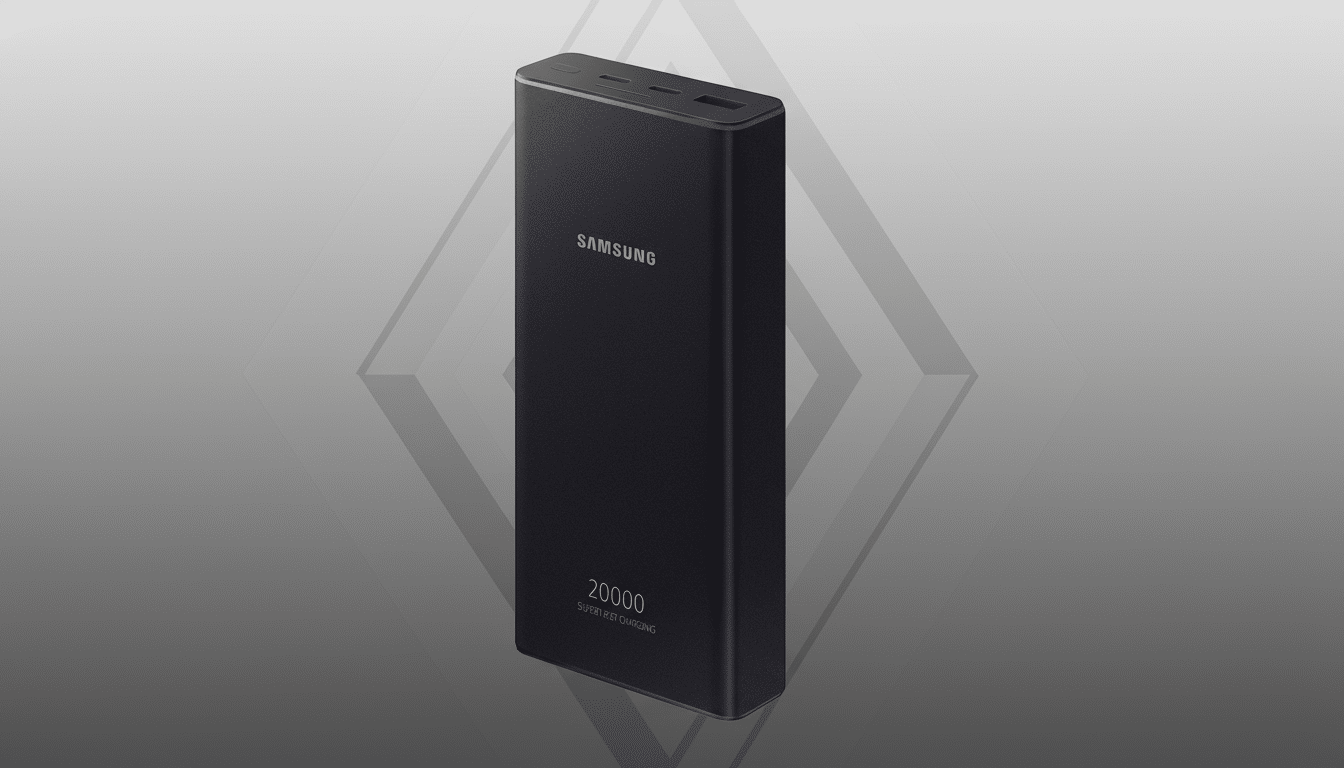
With all unverified lab tidbits, caution is in order. The source’s track record is not nailed down and Samsung SDI and the company’s divisions have yet to comment directly. Still, the specifics correspond to trade‑offs that are known: silicon‑rich anodes offer the potential for dramatic capacity gains but can be saddled with mechanical stress and volume expansion — a veritable recipe for swelling.
Why Silicon‑Carbon Anodes Are So Tempting for Phones
Graphite anodes are used in conventional phone batteries. Replace some of that graphite with silicon and energy density surges 20–40%, according to the National Renewable Energy Laboratory and several cell makers. The problem is that silicon expands by hundreds of percent when it’s lithiated; this is basic chemistry. Without thoughtful binders, buffering structures and strong formation cycles, particles crack, the solid electrolyte interphase destabilizes, gas bubbles form and the pack balloons.
That’s why most commercial smartphones that swear by silicon anodes cap content in the general vicinity of a few percent — especially when they offer a relatively high amount, such as 10%—trading headline capacity for cycle life and safety. Far beyond that threshold is the Holy Grail. It is also where the engineering penalty begins to become quite steep.
Why Swelling Remains the Key Challenge for Big Batteries
Swelling isn’t just cosmetic. It can delaminate electrodes, increase internal resistance, stress separators and, in the worst cases, deform chassis and impair safety. Batteries for worldwide mass‑market phones must meet rigorous requirements such as UL 1642 and IEC 62133, including OEM abuse tests and multi‑temp cycling. A pack that displays noticeable thickness growth after a long cycle life is less likely to pass those gates.
With the leaked ≈960 cycles a year, we are looking at a stress regime of around 2.6 full 100% depth‑of‑discharge cycles per day. That’s fine for speeding up aging, but it also enhances routes to degradation like gas evolution. If the swelling occurred near the end of testing, that signifies durability gaps requiring materials tweaks and formation‑process refinement before those cells are deployed to consumers.
Could a 20,000mAh Smartphone Battery Be Practical
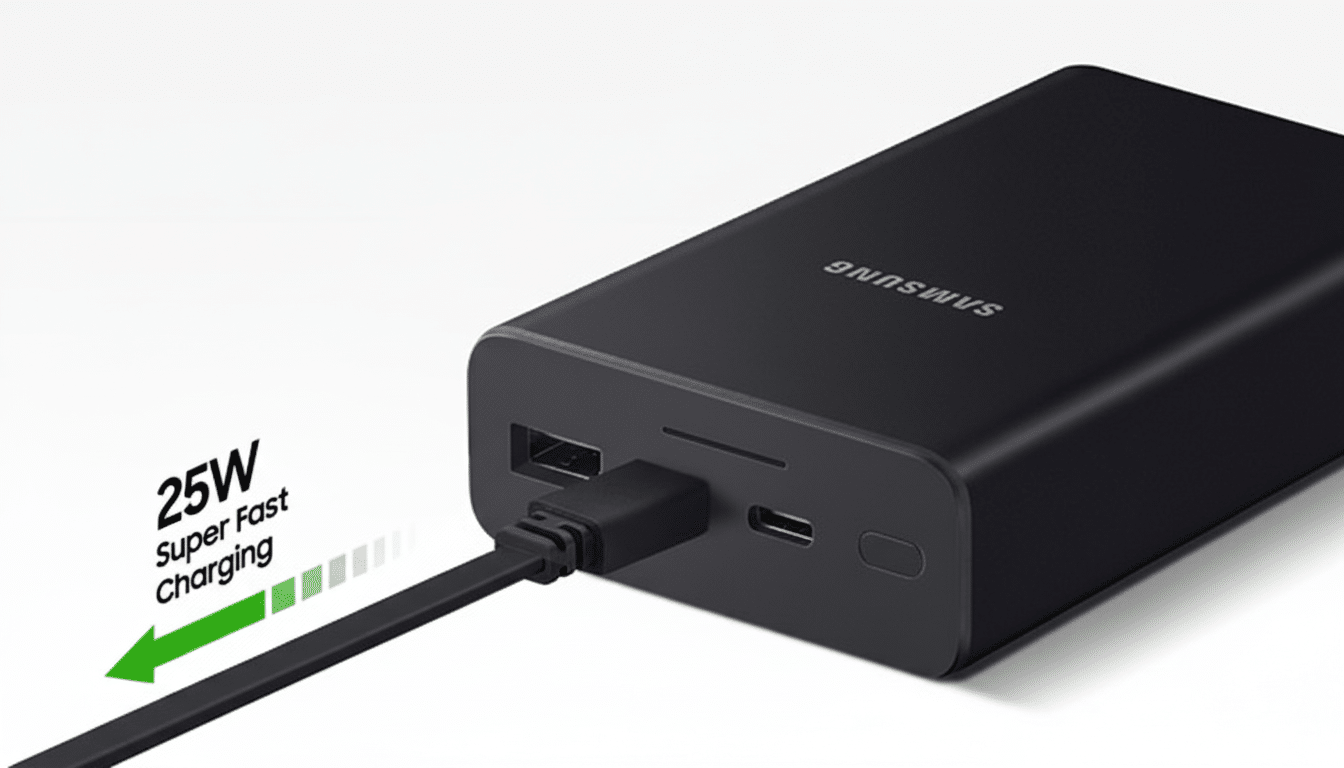
On paper, 20,000mAh at an average nominal voltage of around 3.85V is about 77Wh. Even with that best‑case 300Wh/kg cell, that’s about 257 grams of battery alone; volumetrically, at something like 650–700Wh/L you’re looking at around 110–120cc — the total volume of a slim, long phone. It helps with both packaging and fast charging, but the physical realities suggest that anything beyond that might take devices into power‑bank territory — unless energy density soars still higher or gaming phones and other large form factors are the pack’s intended audience.
This is why such technology may find its first place in tablets, handheld gaming devices, rugged phones, or as a precursor for automotive programs. Samsung SDI is a large supplier of EV cells, and silicon‑dominant anodes are being sought throughout the auto industry; players like Sila and Amprius promise much greater energy density for more range. Lessons learned on an EV‑grade silicon can get filtered down to the phones that come after.
Inside the Bigger‑Battery Arms Race Shaping Smartphones
With 6,000–7,000mAh phones from Chinese brands already pushing at the mainstream door and concept or niche models above 10,000mAh having been glimpsed, we’re sure we’ll be seeing more of these sorts of devices over the next few years.
History provides another warning: the 18,000mAh “brick” concepts that electrified trade shows years back were far too impractical to carry around every day. Now, in the present day, capacity still gives way to slim design and fast charging and tighter energy management. That’s also why a listed 27‑hour screen‑on time invites skepticism; it looks good, but SOT is infamously inconsistent based on display brightness and refresh rate, load, network, etc.
What to Watch Next in Silicon‑Rich Smartphone Batteries
If the leak is accurate, though, the takeaway isn’t that a 20,000mAh Galaxy should be expected in short order. It is that Samsung SDI and others are stress‑testing silicon‑rich chemistries at extreme capacities in order to find the weak points. I would expect incremental gains first: slightly more silicon in the electrolyte, improved electrolyte additives, smarter battery management systems, and efficiency wins from chipsets and displays. Those advances can yield multi‑hour real‑world gains without turning phones into bricks.
The upshot: a 20,000mAh phone battery is technically tempting but mechanically unrelenting at this point. Until swelling, cycle life and safety get resolved, this is an interesting lab story as opposed to a product roadmap. Watch for comments from Samsung SDI, third‑party teardown labs and certification databases — the first hard clue that silicon’s great leap forward is about to land in your pocket.
