


A budget wearable is blurring category lines: Rogbid has introduced the Fusion, a smart ring with a tiny OLED screen that looks like a shrunken smartwatch and can even be worn on the wrist. Priced at $49.99 and spotted by The Verge, the Fusion aims to be more than a novelty, bundling fitness tracking, basic notifications, and an unusual “couple interaction” feature into a design that’s equal parts ring and micro watch.
A Ring That Tries to Be a Watch, With Display and Strap
The Fusion’s calling card is a 0.49-inch OLED display set into a ring form factor. It shows the time, step counts, heart rate, blood oxygen estimates, and sleep summaries. That’s standard fare on wristbands, but rare on rings, where analytics usually live in an app without an on-body screen.
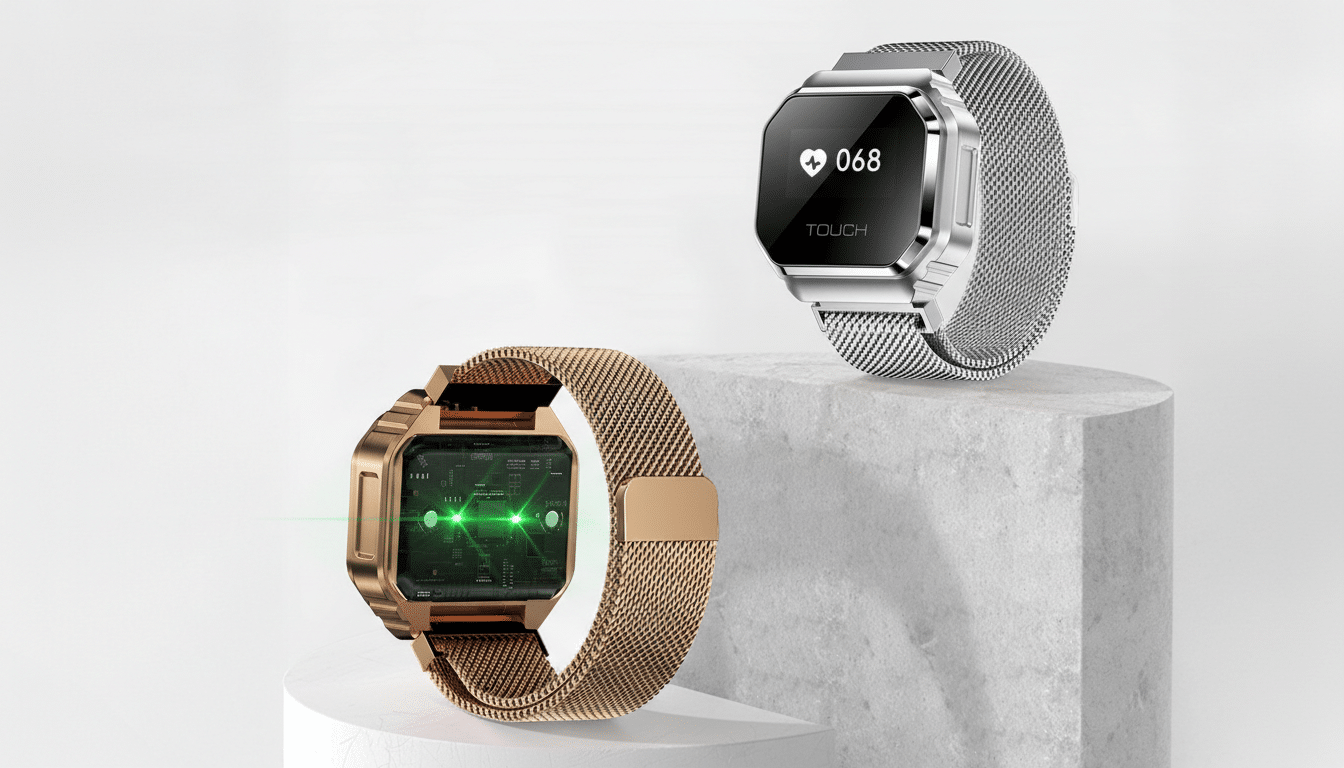
Rogbid goes literal with the “doubles as a watch” claim by including a longer strap in the box. Pop the ring module onto the strap and you get a minimalist wrist wearable, which could be handy for workouts where finger wear is impractical. Battery life is rated up to five days of typical use or about eight days on standby, and a 5ATM water-resistance rating suggests the device should survive pool sessions and showers.
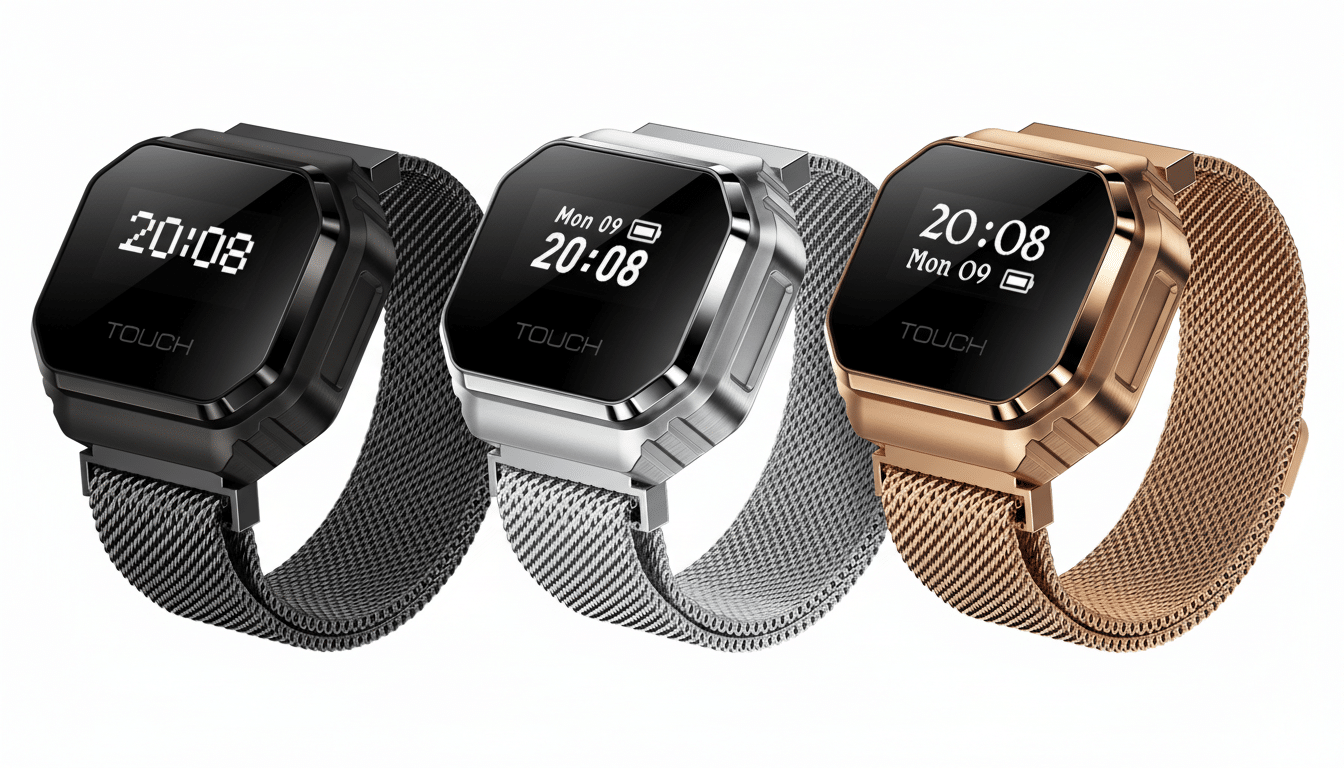
Fit is handled by an adjustable magnetic band when worn as a ring, reducing sizing headaches. The device comes in gold, silver, and black finishes. As with many budget wearables, the polish and comfort of that magnetic mechanism will make or break daily use; magnets can loosen with repeated knocks, but they’re also an elegant solution for fluctuating finger sizes.
Chasing Utility, Not Just Novelty, With Fitness Features
Watch-shaped rings have existed before—Casio toyed with the idea years ago—but most were gimmicks. The Fusion takes a different tack by leaning into fitness: Rogbid advertises more than 100 sports modes, menstrual cycle reminders, and a companion app for trends and goals. The company also added a “couple interaction mode” that syncs activity data and shared reminders between partners, a playful pitch for gift buyers.
That strategy aligns with where the market is heading. Smart rings have moved from curiosity to credible health gadgets, with mainstream entrants like Samsung’s Galaxy Ring and established players including Oura, Ultrahuman, and Amazfit. Those devices emphasize sleep staging, HRV, readiness scores, and seamless wear. Rogbid is carving out a different niche: a screen-first ring at a fraction of the price.
Accuracy Caveats at This Price for Health Metrics
While the spec sheet is ambitious, expectations should be measured. Low-cost optical sensors can struggle with darker skin tones, tattoos, cold fingers, or motion-heavy workouts. Peer-reviewed research from Stanford has shown consumer wearables tend to estimate heart rate within about 5% during steady activity, while calorie burn can deviate by 20% or more, depending on conditions and device design. Rings introduce their own variables, from finger perfusion to fit tightness, which can affect SpO2 and sleep staging accuracy.
In other words, the Fusion’s health numbers are best treated as directional rather than diagnostic. That’s true across most non-medical wearables, but especially relevant at this price point. The absence of clinical validation claims or third-party testing means the value proposition hinges on utility and fun, not lab-grade precision.
Price Pressure in a Rising Smart Ring Market
At $49.99, the Fusion undercuts nearly every major smart ring. Oura’s lineup typically starts around the mid-$200s with a subscription for advanced insights, Ultrahuman hovers higher, and Samsung’s Galaxy Ring sits near the premium end around $399. A sub-$50 option with a color display is unusual—and could entice first-time buyers who aren’t ready to spend hundreds on a screenless ring.
Industry watchers have noted rising interest in rings as lighter, sleep-friendly alternatives to watches. IDC has tracked steady growth in wearables shipments driven by health features, with rings emerging as a fast-moving subcategory. If nothing else, the Fusion shows how quickly innovation and price compression are colliding in entry-level wearables.
Who Should Consider It and Who Should Skip It
The Fusion looks tailor-made for gadget tinkerers, teens, and gift buyers who want a conversation piece that still does the basics. The ability to swap between ring and wrist modes, the swim-safe rating, and a bright mini-screen are compelling at this cost. Athletes and quantified-self enthusiasts, however, will still be better served by established ring ecosystems or full-fledged multisport watches with verified accuracy and richer analytics.
Novel concepts usually ask for compromises. Rogbid’s Fusion embraces that trade, betting that a tiny watch you can wear on your finger—and occasionally on your wrist—will be delightful enough to forgive the rough edges. For under fifty bucks, that bet might pay off for a lot of curious buyers.
