


A $50 wearable that looks like a tiny smartwatch for your finger has arrived. The Rogbid Fusion smart ring debuts with a 0.49-inch OLED display on its top face, a metal frame, and an adjustable Milanese loop that adapts to different finger sizes. It shows time and health stats at a glance, promises waterproofing to 50 meters, and even converts into a wristwatch with an included strap — a mix of features rarely seen at this price.
A Tiny Smartwatch for Your Finger: Display and Design
The Fusion leans into a form factor that blurs the line between ring and micro smartwatch. The OLED screen is small but functional, designed for quick glances rather than deep dives. The metal middle frame and magnetic-style mesh loop mimic classic Milanese bands on traditional watches, giving the ring a polished look while solving the perennial challenge of ring sizing.
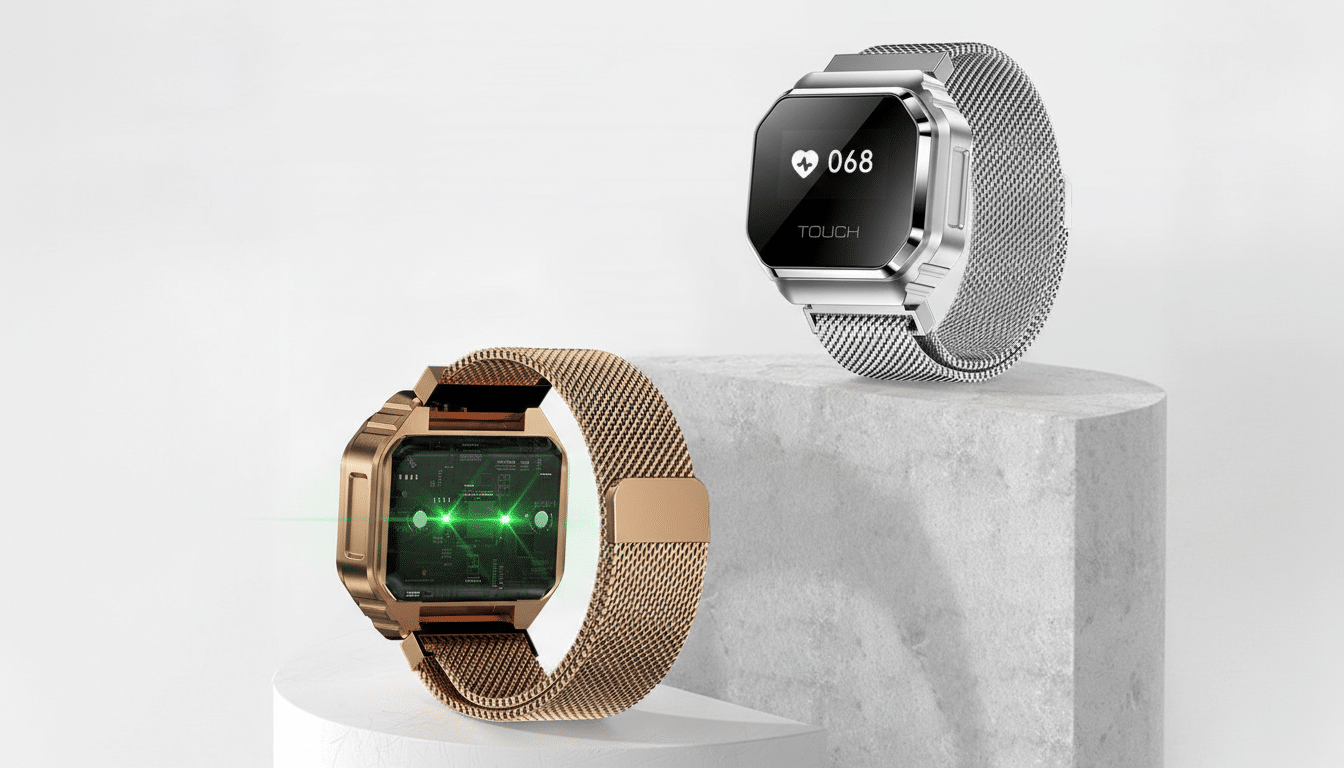
Unlike minimalist rings that hide their electronics, the Fusion embraces visibility. The screen sits on the ring’s crown where you’d expect a stone — a design that invites taps and swipes and makes notifications or metrics legible without opening an app. That aesthetic won’t be for everyone, but it does make the wearable’s purpose immediately clear.
Health And Fitness Features At A Bargain
Rogbid says the ring tracks steps, heart rate, blood oxygen (SpO2), and sleep stages, with a dashboard that condenses daily activity and recovery cues. Users can choose from 100 exercise modes and wear the device in the pool thanks to a 50-meter water resistance rating. The ability to move the unit from finger to wrist via an extended strap gives it a second life as a compact watch for workouts.
It’s worth remembering that consumer SpO2 and heart-rate sensors are not medical devices. Regulators such as the U.S. Food and Drug Administration have cautioned that pulse oximetry readings can vary with skin tone, motion, and fit. In practice, that means the Fusion’s metrics should be treated as wellness indicators, not diagnostic data.
For sleep, the ring estimates stages and offers AI-generated tips aimed at improving rest quality. Academic validations of ring-based trackers, including studies of established brands published by sleep research groups at Stanford and elsewhere, generally find solid sleep/wake detection but mixed accuracy for detailed stage classification compared to polysomnography. The Fusion’s real-world performance will hinge on sensor tuning and algorithms — areas where budget devices often face the steepest test.
Software Sleep Insights And App Experience
Data flows into the Rogbid mobile app, where users can inspect trends, set goals, and refine alerts. The company touts a “comprehensive AI algorithm” that turns nightly and daily readings into guidance, from bedtime suggestions to activity nudges. The value of that coaching will depend on how well the app balances personalization with clarity, avoiding the generic tips that plague many low-cost wearables.
Beyond fitness, the Fusion includes unexpected touches: location-aware reminders for the five daily prayers, a “couple mode” that lets partners log shared moments and plan walks, and lighthearted “love codes.” These lifestyle features won’t appeal to everyone, but they set the ring apart in a crowded market that often chases the same checklist.
Privacy is a growing differentiator. Analysts and digital health advocates routinely urge buyers to review what biometric data is collected, how long it’s kept, and whether it is shared with third parties. As more wearables lean on AI, transparency around model training and on-device versus cloud processing will only become more important.
How It Stacks Up on Price Against Smart Rings
At $50, the Fusion undercuts category leaders by a wide margin. Oura’s latest ring typically starts around the $299 range with a monthly membership for advanced insights. Ultrahuman’s Ring Air and RingConn’s ring are similarly premium-priced. Budget rings exist, but few offer a display and 100 sport profiles at this cost, making the Fusion an outlier on value — at least on paper.
Market watchers at IDC and Counterpoint Research have noted steady growth in wearables and a shift toward varied form factors beyond the wrist. A low entry price can accelerate adoption, but long-term success usually hinges on accuracy, software polish, and support — areas where established brands often justify their premiums.
What to Watch Before You Buy This Smart Ring
Key questions remain. Battery life, charging time, and comfort during sleep will make or break day-to-day usability. Water resistance ratings can be confusing; 50 meters is suitable for swimming but not high-pressure activities like diving. And the adjustable mesh loop, while convenient, will need to resist loosening or snagging in real-world use.
Accuracy is the other wildcard. If heart-rate stability during exercise and sleep-stage estimates prove competitive, the Fusion could be a rare budget device that punches above its weight. If not, the display and extras may still appeal to casual users who value convenience over clinical-grade tracking.
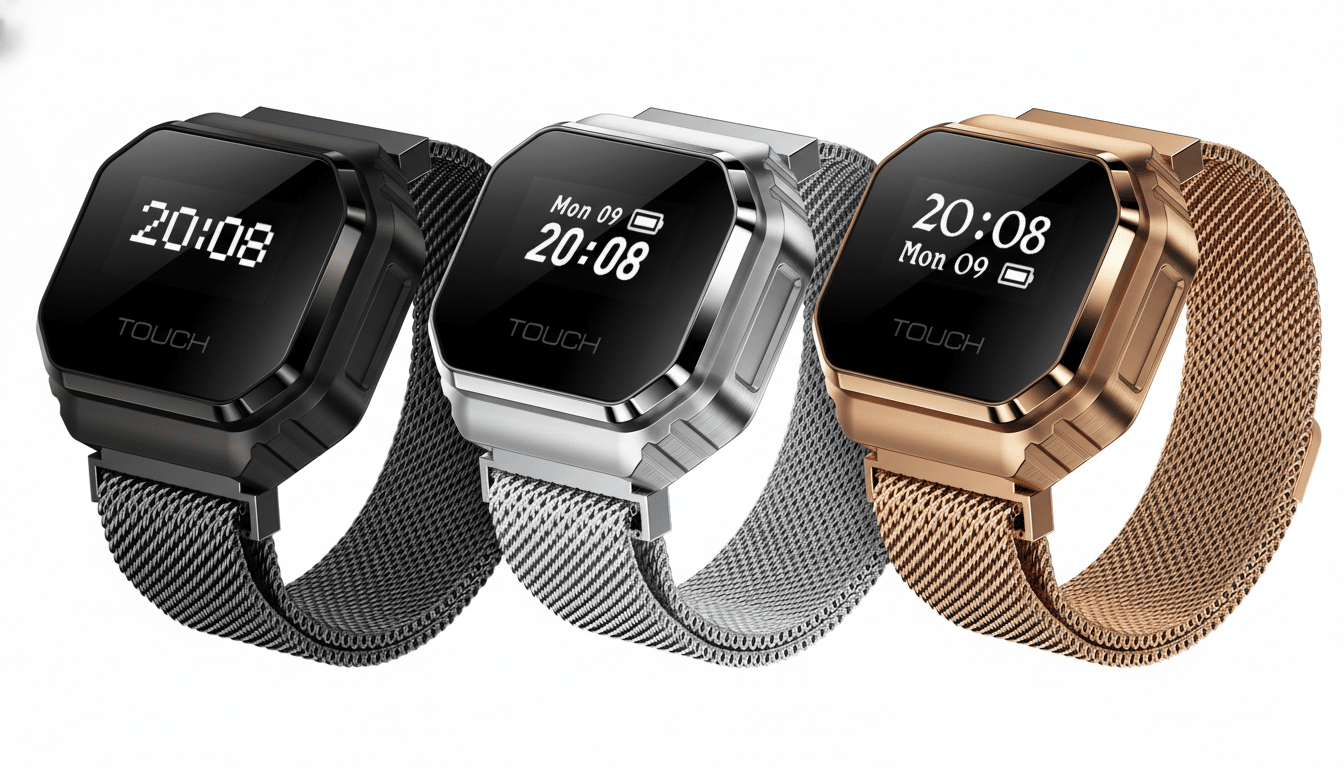
The Rogbid Fusion is available directly from the company in black, silver, and gold finishes. With its adjustable strap, sizing is straightforward — slip it on, snug the loop, and you’re set. Whether this tiny smartwatch for your finger is a breakthrough or a novelty will come down to how well its ambitious spec sheet performs in everyday life.
