


Ring hoped a feel-good Super Bowl spot would spotlight its new Search Party tool for reuniting lost dogs with families. Instead, it ignited a familiar controversy: how far should AI-powered camera networks go when they are switched on by default and scanning the neighborhood for anything—pets included—that looks like a match.
The Amazon-owned company says Search Party has been reuniting “more than a dog a day” since launch and now accepts lost-dog reports from people who don’t own Ring cameras. The pitch is simple: mobilize a community of outdoor cameras to find missing pets faster. The push, paired with a $1 million pledge to equip animal shelters with Ring systems, has drawn praise from some pet owners—and warnings from privacy advocates who see a slippery slope.

How Ring’s Search Party pet-finding feature works
Report a missing dog in the Ring Neighbors app, and nearby Ring cameras that participate in Search Party automatically use computer vision to look for potential matches. If a camera spots a likely candidate, the device owner receives an alert and can compare stills with the dog’s photos. Owners choose if they want to share clips with the pet’s family or ignore the alert. Searches expire after a set time and can be restarted. For now, only dogs are supported.
The controversy centers on defaults: Search Party is turned on unless users opt out. That means many outdoor cameras are proactively scanning public-facing spaces for canine matches, even if their owners never explicitly enabled the feature. Ring says the design lets communities move quickly when minutes matter; critics argue consent should be opt-in, not opt-out, for any AI monitoring.
Default-on AI in home cameras raises surveillance fears
Reactions to the ad underscored the split. Supporters called it “thinking outside the box” to reunite pets and families; skeptics saw “training wheels for mass human surveillance.” Civil-liberties groups such as the Electronic Frontier Foundation and the ACLU have long warned that dense networks of internet-connected doorbell and floodlight cameras can normalize always-on monitoring, create de facto dragnets, and chill everyday activity in shared spaces—even when a program’s goal is limited to pets.
There are technical questions, too. Computer-vision systems can misidentify breeds, colors, and sizes in challenging lighting or weather, increasing false alerts. Transparency around how long potential-match data is stored, what’s used to train detection models, and whether law enforcement can request Search Party footage will shape public trust. Ring emphasizes that camera owners decide case-by-case if they share videos, but defaults and data retention policies matter as much as intentions.
Ring’s recent privacy record looms large for critics
Context is doing heavy lifting here. The Federal Trade Commission in 2023 secured a $5.8 million settlement over privacy lapses at Ring, including improper internal access to some customer videos, and required stronger security and privacy controls. Ring has since introduced optional end-to-end encryption for some video and said it ended the in-app tool that let police request footage through Neighbors, moves intended to rebuild trust. Even so, public skepticism remains high around how footage might be repurposed in emergencies or investigations.
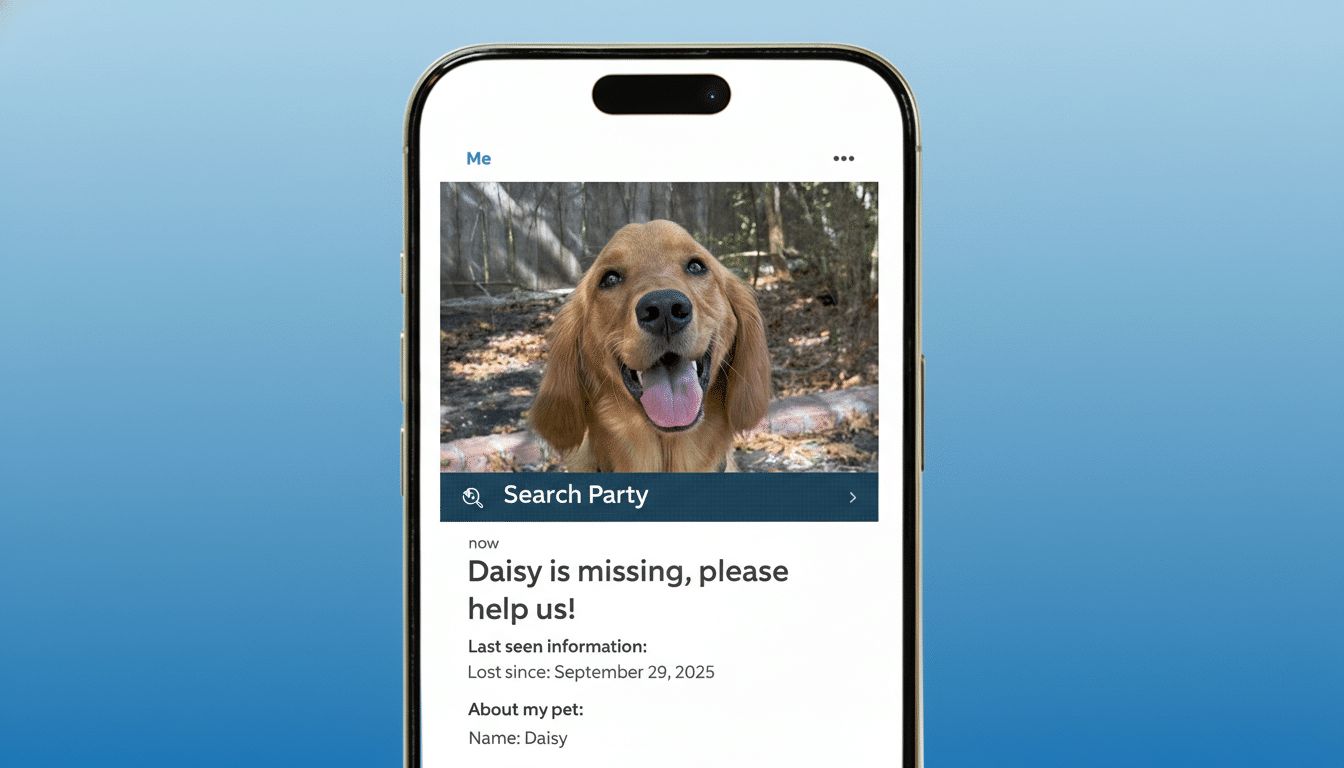
That history informs why a pet-finding feature set to “on” by default struck a nerve. If communities accept routine, AI-driven scanning for dogs today, critics ask, what prevents tomorrow’s expansion to people, vehicles, or other identifiers—especially if product teams or partners see value in broader pattern recognition?
Do community pet-finding camera networks actually work?
There’s no question that faster alerts help in the frantic hours after a dog goes missing. Shelter data cited by the American Veterinary Medical Association shows microchipped pets are matched with owners at much higher rates, with one study finding shelters were able to locate owners for 73% of microchipped animals. Community visibility—flyers, local social networks, and neighborhood cameras—can add another layer of detection.
But there are trade-offs. Camera-based tools tend to be most effective in higher-income areas with more devices, potentially leaving coverage gaps elsewhere. And donations that place cameras in shelters could improve safety while also expanding Ring’s footprint into sensitive environments; clear, publicly posted camera policies will be essential to avoid mission creep.
What Pet Owners And Neighbors Should Know
Pet owners get the most benefit when Search Party complements, not replaces, basics: microchipping, up-to-date ID tags, city licensing, and a GPS tracker or Bluetooth tag for escape artists. For neighbors concerned about privacy, the Ring app allows disabling Search Party participation, limiting video retention, and enabling end-to-end encryption where supported. Reviewing Neighbors app sharing settings—and who can see what—helps align the system with personal comfort levels.
The Super Bowl ad accomplished one thing for certain: it turned a niche pet-recovery tool into a national conversation about default AI surveillance. Whether Search Party becomes a celebrated community helper or a cautionary case study will depend on how Ring handles consent, transparency, and guardrails—and whether the company can prove the benefits to lost pets truly outweigh the risks to everyone else walking past the lens.
