


Ring is introducing a broad update to its home security lineup, bringing AI-powered detection packages, as well as deterrence tools, curated app options and community wildfire alerts. The goal, clearly, is to cut down on the noise and surface what matters while giving owners a bit more actionable intelligence without their network devolving into something they have to babysit.
Smarter Alerts That Reduce Notification Fatigue
The headliner is Unusual Event Alerts. Instead of pinging your phone for every delivery truck or neighborhood cat, a Ring camera learns the baseline of what is typical around your property and cues your attention only when there are outliers. Consider strange activity in an otherwise quiet side or backyard, a car that seems to be loitering at odd hours or a group of animals moving through a fenced area. The system works thanks to Ring’s Video Descriptions, which analyze what is in each clip and evolve with time as your daily patterns change.

It is reminiscent of anomaly detection applied to enterprise security, where models establish behavioral baselines and detect deviations. In the smart home, it ought to significantly reduce false positives. “Too many alerts” has been the No. 1 issue that drives people to mute cameras, according to Parks Associates, and filtering for strange activity solves that without cutting off awareness.
Context-Aware Warnings Gain New Voice Features
Active Warnings gets a significant bump, too. If the Ring AI detects a person, for example, it will analyze what is happening and play an audio message that is appropriate to the situation. A person approaching a side gate might hear one kind of warning, or someone milling near a driveway might get another sort of deterrent. For service subscribers with Virtual Security Guard, the cameras can also sound a brief automatic warning as an operator checks out the scene in real time — trimming valuable seconds when every second counts.
Audible deterrence may sound naive, but it’s grounded in behavioral science. Criminology research, some of it from the University of North Carolina, has shown that obvious security signs and real-time cues raise perceived risks and can prompt prospective intruders to back away. Allowing users to customize which cameras speak up — and only in specified modes like Away, Home or Disarmed — gives owners a way to balance deterrence with privacy and practicality.
Ring Appstore Adds Third-Party Insights
Perhaps the biggest change is the introduction of the new Ring Appstore, which brings third-party apps directly to your Ring experience. Instead of multiple shifting tools, owners can bolt on specialized features that operate atop their current cameras — pool-safety tracking or pet motion data analysis, for instance, or home maintenance monitoring.
Value is obvious in real-world examples. A pool-safety app could sniff out unsupervised entry to a fenced-in pool area and send escalating alarms; a pet-centric service might draw the line between a standard side gate closing and Fido sneaking through it to freedom; and a maintenance app might take notice of repeated water on the floor of your basement room that suggests a sump pump concern. The Appstore will exist within the Ring app, as well as online, for people with compatible subscriptions in the U.S., and some of its offerings may require a separate account or fees — like premium skills and add-ons do elsewhere in the smart home sphere at large.
Fire Watch Aims for Faster Wildfire Warnings
The Fire Watch feature provides an extra layer of neighborhood safety in the “Neighbors” section of the Ring app by partnering with wildfire data to enable on-the-ground video and reports from neighbors who have a Ring camera close to impacted areas.
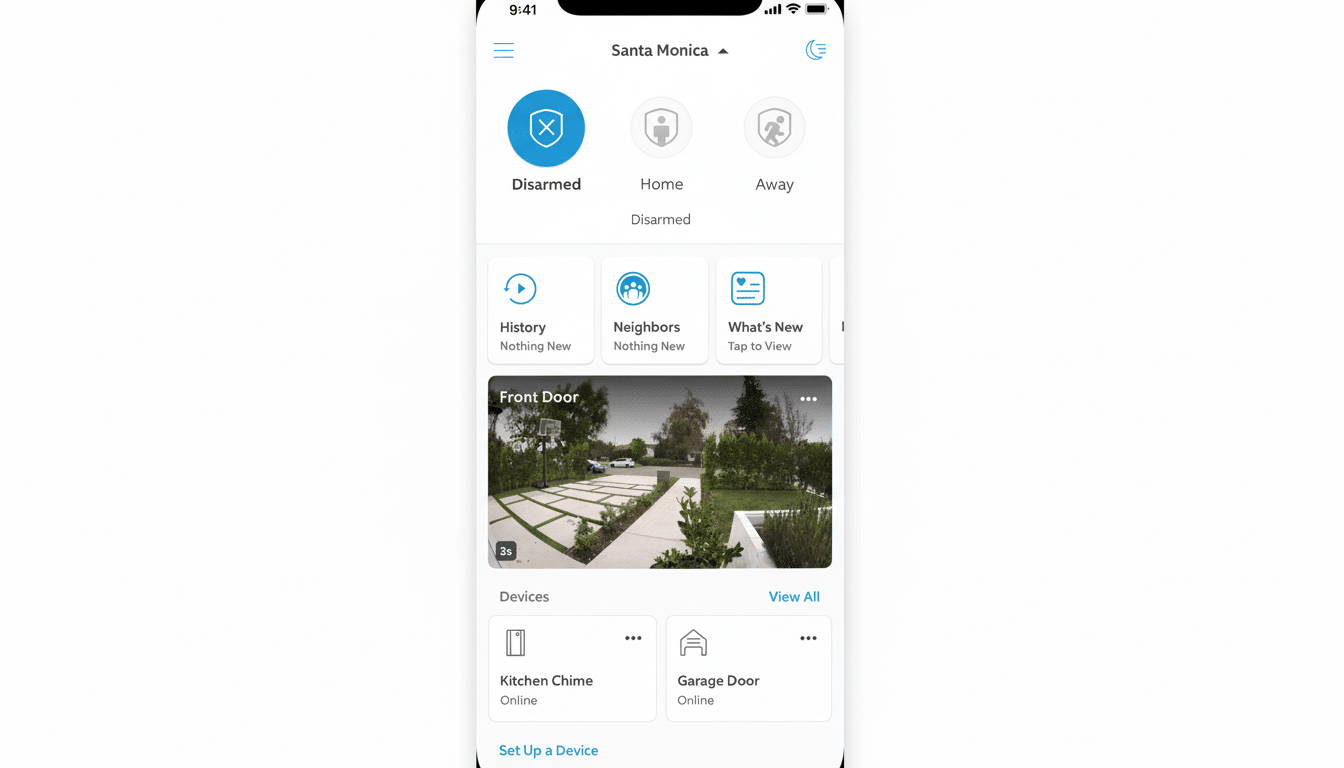
The idea is to have early warnings and better situational awareness during fast-moving events, particularly when official reports lag or conditions change rapidly.
The threat of wildfire has heightened over broad stretches of the West, with stakes that are high. NOAA has recorded a steady escalation in the number of billion-dollar disasters year over year, and agencies like CAL FIRE and the U.S. Forest Service are talking clearly about why hyperlocal information during evacuations is so important. By combining official information with community-generated images and updates, Fire Watch hopes to cut through the noise for people in the paths of smoke and flame.
Privacy Controls and Rollout Timeline for Features
Unusual Event Alerts will start going out to customers on certain subscription tiers first, with more accounts being added over the course of time, Ring says. Active Warnings are per-camera opt-in, linked to system modes so that families have granularity as to when audio messages are played. The Ring Appstore is scheduled for a staggered U.S. launch, and, where available, Fire Watch will be available through Neighbors.
As with any AI-forward update, privacy and transparency are important. Processing for those features is based on Ring’s current Video Descriptions pipeline, and owners can control settings such as video retention, sharing, and Neighbors participation. Related: Digital rights groups including the Electronic Frontier Foundation and guidelines by the Federal Trade Commission advocate for clear consent, minimal collection of data, and strong user control — themes that will help determine how these tools are embraced.
What It Means for Owners of Ring Camera Systems
The momentum is clear: fewer generic motion pings and more timely, contextually rich alerts paired with a growing ecosystem of specialized apps. For a lot of households, the practical upside is a more tranquil phone and a quicker, more pertinent signal when something actually deserves attention. Throw in audible discouragement and community wildfire insights, and Ring’s platform transforms from quiet recorder to sentry.
Smart home security is heating up, with competitors focusing on on-device AI, identification of familiar faces and tighter integration with your smart home. Ring’s gamble is that anomaly detection, specialized warnings and a developer-friendly Appstore will distinguish its cameras. If the rollout resembles the promise, owners can expect to see a genuine increase in usefulness without overwhelming complexity.
