


If you were hoping for an upgrade in 2026, get ready. New industry forecasting has phones coming next year tending to cost more, shipping in smaller volumes, and more often than not offering less in the way of significant hardware changes from what we get with of-the-moment models. And with the average selling price headed up 6.9%, according to estimates from Counterpoint Research, and global shipments projected to fall 2.1%, these are circumstances that often don’t let consumers come out on top.
Memory Costs Are Soaring at Every Smartphone Price Level
The pressure point is memory. DRAM prices have skyrocketed as chipmakers cater to AI data center demand, notably for high-bandwidth memory. That transition is choking the supply of commodity mobile DRAM and forcing up costs across the board. According to Counterpoint, memory-driven price increases have already pumped up smartphone manufacturing costs by 25% for budget category models, 15% for mid-range models, and around 10% for premium devices, with an additional increase of 10%–15% expected in the first half of 2026.

TrendForce has blamed the persistent DRAM contract price increase on AI infrastructure buildouts, and memory suppliers have publicly flagged tight capacity as far as next year. When one of the components suddenly gets more expensive at scale, brands either raise retail prices or cut down specifications to protect margins — or both.
New Features in 2026: Don’t Expect More Hardware Specs
What consumers will notice most of all is that less RAM will be available. After years of spec inflation — think affordable flagships packing 12GB, or even 16GB — analysts now expect a pullback. Counterpoint’s modeling indicates that 16GB versions at the high end could virtually vanish, with a lot of flagships falling back down to 8GB. Midrange phones may step down from a comfier 8GB to 6GB, and budget devices could drop back to the amount of RAM they started with in some regions.
This will not be limited to memory. Suppliers and OEMs face dual threats from burgeoning chip nodes and higher component costs. Advanced silicon on the latest processes is more expensive per wafer, and camera modules, storage, and modems haven’t gotten any cheaper. No matter how much brands hype up on-device AI or improved displays, the value proposition becomes flatter — more of a marketing ploy than a real upgrade — if multitasking and longevity get worse.
Budget Phones Are Squeezed as Costs Rise and Choices Shrink
The simplest answer is that steep price increases are least sustainable at the entry level, when, to quote a Debt Discipline post today, “pennies matter” and competition is fierce. Counterpoint also observes that if manufacturers are not able to pass costs through, they’ll cut lineups — “less low-end, less sub-variants and less regional customization.” It also means less choice and fewer good deals, especially in low-cost markets in Asia, Africa, and Latin America.
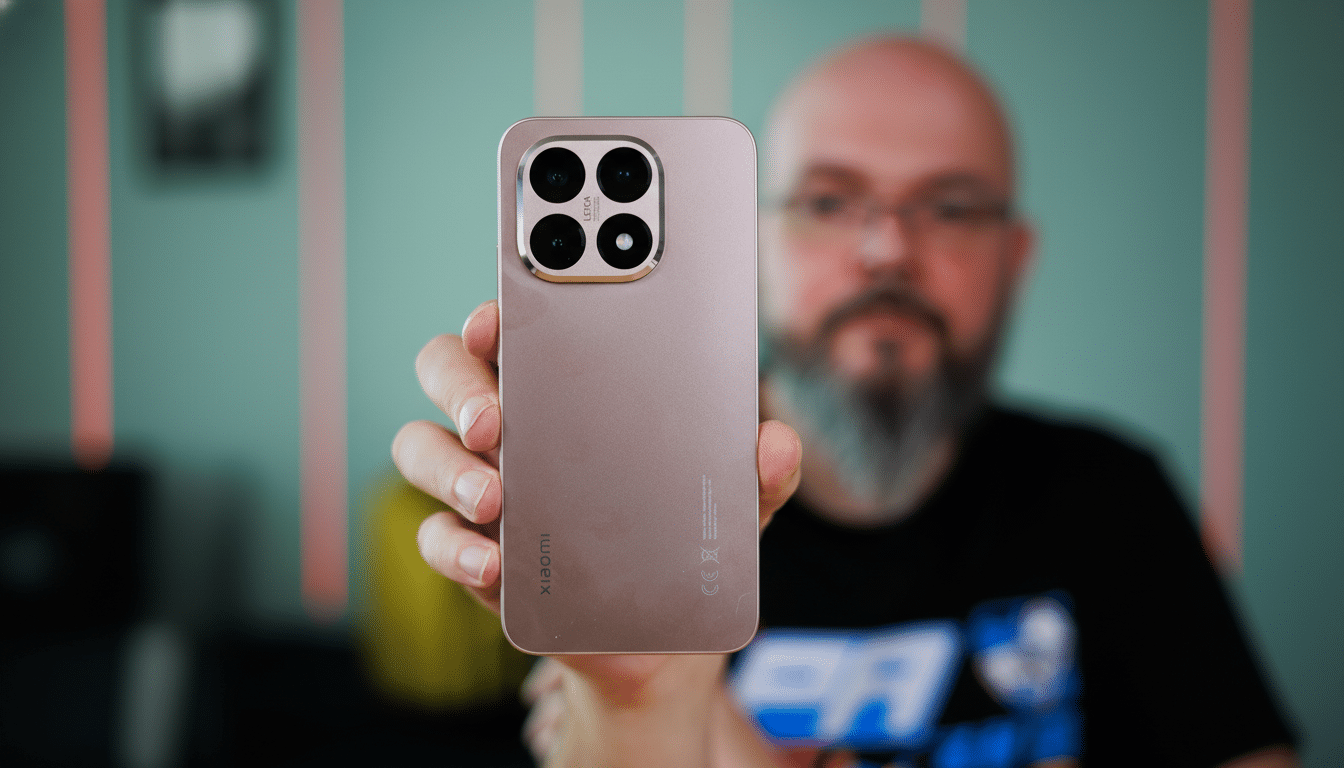
Larger incumbents are better shielded. The analysts at Counterpoint note that Apple and Samsung have the scale, supply leverage, and brand flexibility to sail the current downturn without making any dramatic concessions. Chinese OEMs already operating on thin margins in a race to gain share via aggressive pricing — which is most of them (Xiaomi, Oppo, Vivo, and Transsion) — may be faced with hard trade-offs between slim-ish margins and market share if they want to stay competitive.
Why 2026 Is Shaping Up to Be a Tough Year to Upgrade
Bare-bones feature sets, steep sticker prices, and thinned specs pave this year’s path for new buyers. Already, replacement cycles are long — IDC has global averages at well over two years — and higher prices with small improvements will only elongate them. Even premium buyers may be offered base models with less RAM than last year’s equivalents, which could push them to even pricier tiers just to replicate the same experience they were already enjoying.
There’s also a timing gap. AI functions are advancing quickly, but many of the most transformative use cases still require cloud services or haven’t yet gotten out of infancy. If the promised software experiences take time to mature, paying a premium now for “AI-ready” hardware and less memory could be perceived as a downgrade.
Smart Buying Strategies to Consider Before the 2026 Spike
If your current phone is hanging in, waiting may be the best bet.
- Keep an eye out for end-of-cycle 2025 models that might come with higher RAM and better specs at discounted prices.
- Consider certified refurbished options from trusted sellers for intriguing value while avoiding early-2026 premiums.
- If you need to upgrade, pay special attention to memory and storage: 8GB of RAM is still a good starting point for longevity, as is 256GB of space.
- Compare OEM software support policies; with long-term update obligations for major brands, it may be possible to amortize the cost of devices over a much longer period by giving those devices as much life as is reasonable.
The bottom line: With memory prices soaring and supply chains tightening, 2026 looks likely to be a buyer-unfriendly year. If there’s not a fantastic offer out there, the best move might be to hold off, chase that big discount, or grab last year’s well-kitted-out model over a pricier, stripped-back crosstown contender.
