


Apple’s next big flagship is already stirring expectations, with a new report indicating the iPhone 18 Pro Max could deliver the most enduring battery life yet on an iPhone. A larger cell paired with a next‑gen 2‑nanometer chip is the headline formula, and if accurate, it could turn routine charging anxiety into a nonissue for power users.
Leak Tips 5,100–5,200mAh Battery for iPhone 18 Pro Max
According to well-known tipster Digital Chat Station, as relayed by MacRumors, Apple is testing a battery in the 5,100–5,200mAh range for the iPhone 18 Pro Max. That’s a modest bump over the roughly 5,088mAh pack reported for the iPhone 17 Pro Max, but capacity tells only half the story. Combined with a more efficient processor and power management, even a small increase on paper can translate into hours gained in practice.
- Leak Tips 5,100–5,200mAh Battery for iPhone 18 Pro Max
- Why 2‑Nanometer A20 Pro Chip Could Be the Difference
- Real‑World Battery Expectations for Daily Mixed Use
- How It Could Stack Up Against Android Flagship Rivals
- The Foldable Wild Card and Its Impact on Endurance
- What We Still Don’t Know About Charging and Thermals
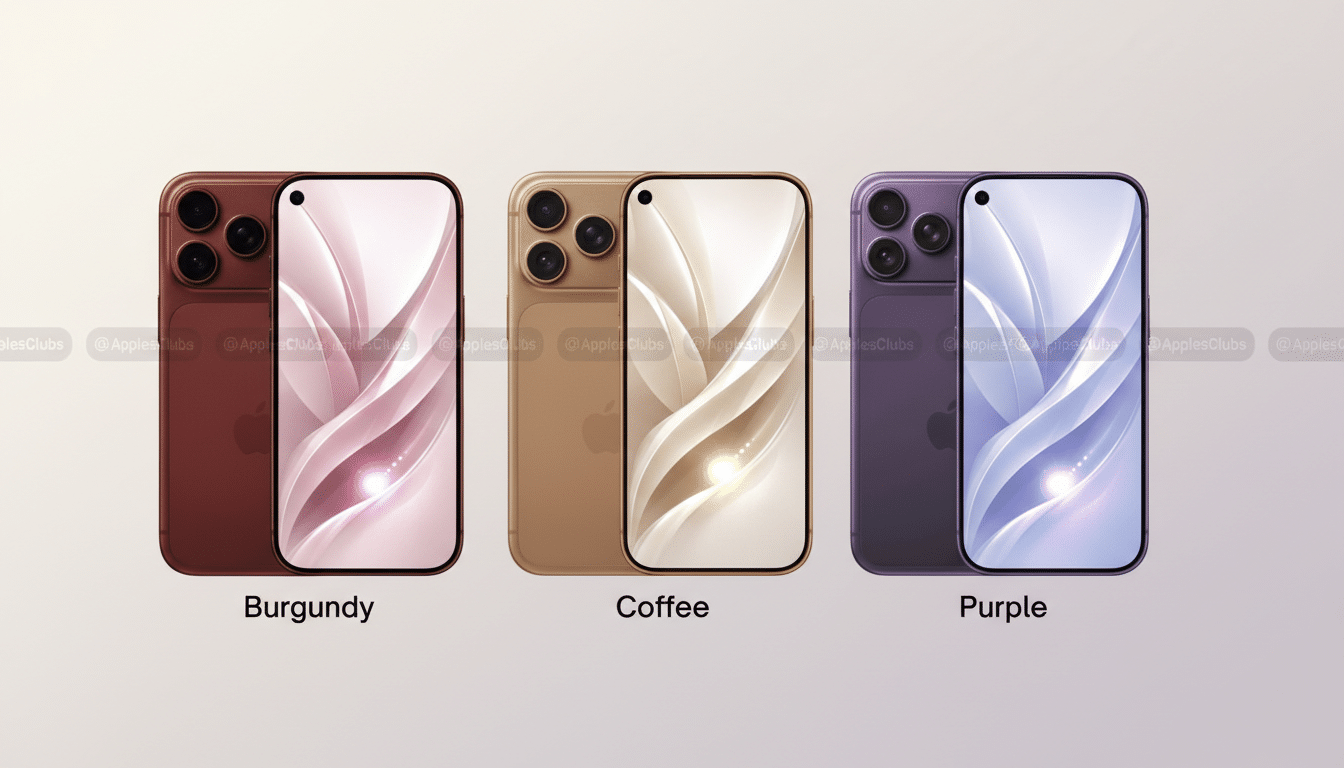
Why 2‑Nanometer A20 Pro Chip Could Be the Difference
The iPhone 18 Pro Max is widely expected to run an A20 Pro chip fabricated on TSMC’s 2‑nanometer process. TSMC has publicly said its N2 node targets up to 10–15% higher performance or roughly 25–30% lower power at the same performance compared to current 3‑nanometer technology. For a battery‑first upgrade, the latter is what matters: silicon that sips power means longer runtime without making the phone heavier.
Apple also typically couples chip gains with aggressive system-level efficiencies: LTPO OLED panels that can drop refresh rates to conserve energy, refined idle power draw, and increasingly efficient machine learning blocks that handle on‑device tasks with less overhead. The net effect is cumulative—small savings across the display, modem, CPU, GPU, and NPU add up over a full day.
Real‑World Battery Expectations for Daily Mixed Use
If the leak holds, expect a phone geared for one-and-a-half to two days between charges for mixed use, with heavy 5G navigation, gaming, and camera work still comfortably finishing a day. Previous Pro Max models already ranked highly in endurance testing from independent reviewers, and Apple’s battery life story in recent years has leaned more on efficiency than sheer milliamp-hours. A slightly larger pack plus a cooler, leaner SoC should extend that lead.
Standby can be just as important. With Always‑On Display features and lock‑screen widgets now mainstream, background power behavior determines whether a phone survives a weekend on a nightstand. A 2‑nanometer transition, paired with iOS power tuning, could meaningfully improve that idle drain.
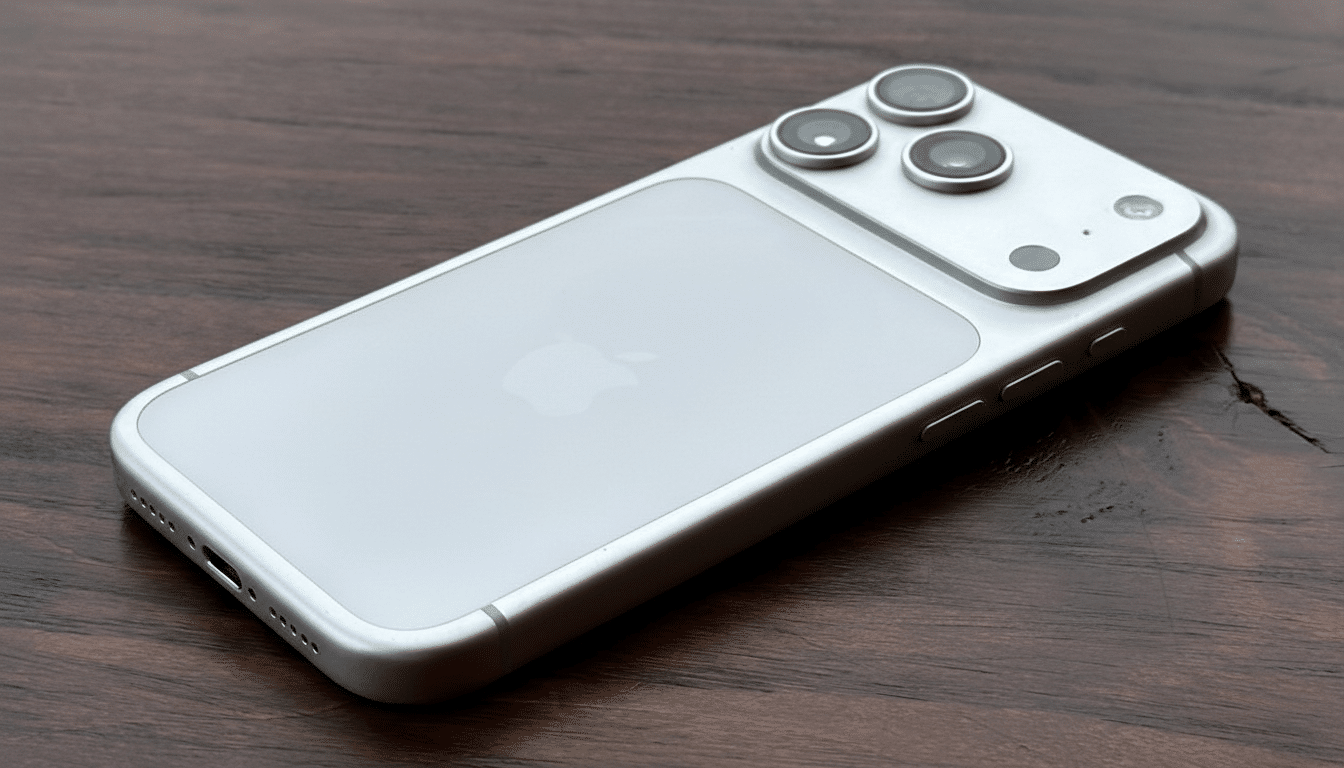
How It Could Stack Up Against Android Flagship Rivals
Most Android flagships center around 5,000mAh batteries, often with aggressive refresh rates and bright panels that trade endurance for visual punch. Apple has historically targeted smaller capacities than many competitors yet matched or exceeded runtime through silicon and software advantages. If the iPhone 18 Pro Max moves past the 5,100mAh line while landing a generational efficiency gain, it should remain among the leaders in real-world longevity.
The Foldable Wild Card and Its Impact on Endurance
Industry chatter has also pointed to an Apple foldable in the same general timeframe, with speculation around a roughly 5,500mAh battery and an unfolded display in the neighborhood of 7.8 inches. Even with a larger cell, expansive panels and complex hinge designs typically raise power demand, so the Pro Max could still be the endurance champ within Apple’s lineup if both devices debut together.
What We Still Don’t Know About Charging and Thermals
Charging speeds, battery chemistry, and thermal design remain open questions. The smartphone industry has increasingly explored stacked cell architectures to improve longevity and heat management; whether Apple leans further into those techniques will be worth watching. Additionally, modem efficiency and display material upgrades can swing battery outcomes as much as the core chip.
As with any early supply‑chain rumor, details can shift before mass production. Still, the broad direction is clear: a slight capacity increase married to a 2‑nanometer A‑series chip is a pragmatic path to longer battery life. If the reports prove accurate, the iPhone 18 Pro Max could be the model that lets many users comfortably skip the nightly top‑off.
