


Mobile DRAM costs are climbing fast, and it is reshaping how next‑gen phones should be built. With memory contracts jumping and supply constrained, simply stuffing 12GB or 16GB of RAM into every SKU is getting harder to justify. The smart move for 2026 devices is not to chase bigger numbers, but to get more creative with the spec sheet.
Why Mobile RAM Costs Are Climbing Across the Industry
Industry trackers point to a supply squeeze that predates the latest launch cycle. TrendForce reported consecutive double‑digit DRAM contract price increases through late 2024, with some quarters up 13–18%. As SK hynix and Micron prioritize high‑bandwidth memory for AI servers, and Samsung balances lines across LPDDR5/5X and HBM, mobile DRAM faces tighter allocation and firmer pricing.
- Why Mobile RAM Costs Are Climbing Across the Industry
- Smarter Spec Sheets, Not Bigger Ones, for 2026 Devices
- Stretching Phone RAM With Smarter, Efficient Software
- AI Ambitions on Phones Need Careful Memory Discipline
- A Split Smartphone Market and What It Means for Buyers
- What to Expect From 2026 Smartphone Launches and Designs
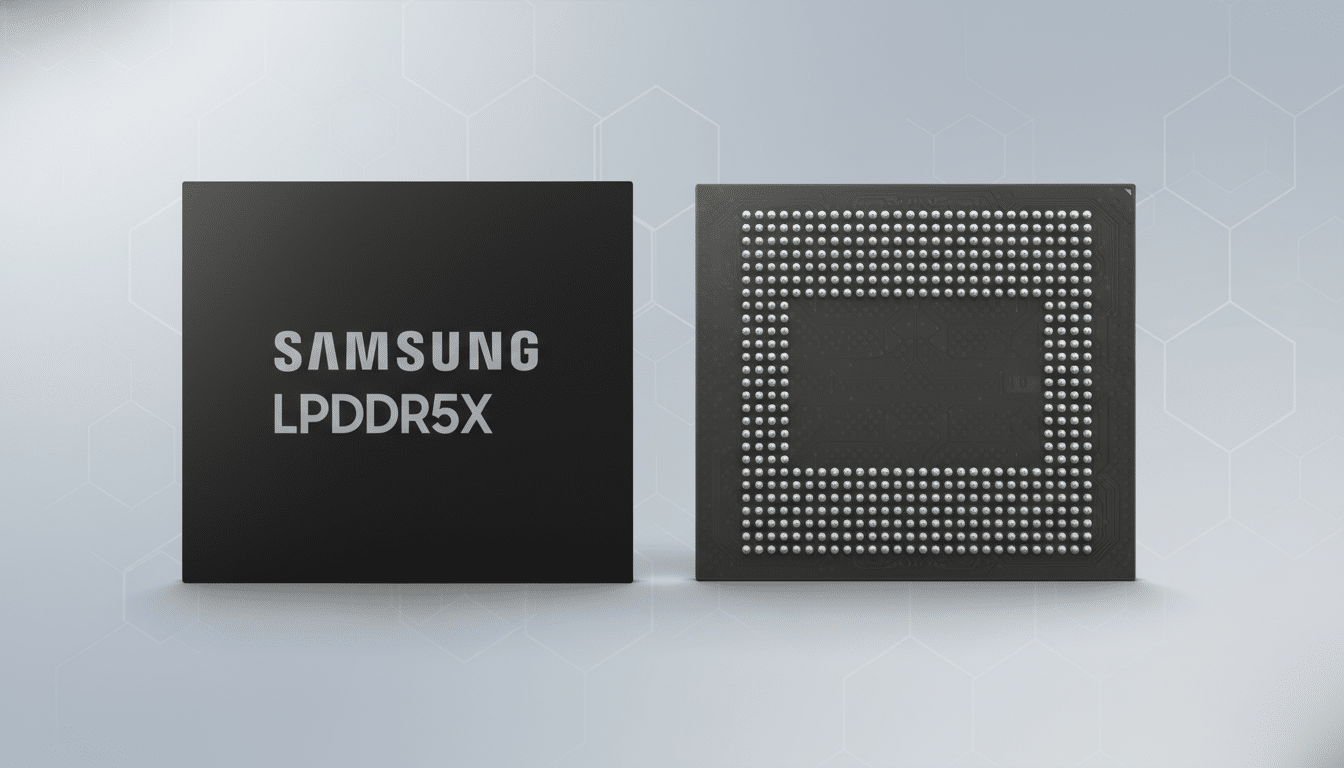
The mix shift also hurts phone buyers: premium models increasingly pair high‑speed LPDDR5X with larger NAND, and both components have seen pricing strength. Counterpoint Research’s bills of materials analyses show memory regularly among the top cost drivers in flagships, often accounting for a meaningful share of the BOM. When contracts rise, OEMs either absorb it, hike stickers, or rethink configs.
Smarter Spec Sheets, Not Bigger Ones, for 2026 Devices
The knee‑jerk fix—charging more or trimming base RAM—invites backlash. A better approach is to redeploy that memory budget into features users actually notice. Cameras are the obvious candidate: a larger primary sensor, improved periscope optics, or a faster ISP pipeline can transform daily photos more than an extra 4GB ever will.
Battery is next. Moving to denser cells and improved charging electronics—think silicon‑rich anodes, stacked designs, better thermal management—delivers tangible gains in longevity. Spending on a bigger vapor chamber or smarter heat spreaders can also sustain peak performance, which arguably matters more than keeping ten background apps “warm.”
Durability and polish sell, too. IP68 across more mid‑tiers, tougher glass, aluminum frames instead of plastic, and tighter haptics give devices a premium feel. Small but distinctive ideas—programmable hardware keys, MagSafe‑style accessories, or richer satellite/mesh connectivity—stand out on a spec sheet without relying on costly memory.
Stretching Phone RAM With Smarter, Efficient Software
There is also low‑hanging fruit in memory management. Android has quietly added tools like cached app freezing and more aggressive background limits, while vendors layer on app hibernation and better process trimming. zRAM and compression can reclaim headroom without obvious slowdowns when tuned carefully.
Virtual RAM—swapping to UFS storage—should be used sparingly. UFS 4.0 brings big jumps in throughput, but it still cannot match DRAM latency, and sustained writes have endurance implications. The right play is a conservative swap footprint combined with smarter prefetching and judicious service restarts, not marketing‑driven “+12GB virtual RAM” stickers.
AI Ambitions on Phones Need Careful Memory Discipline
On‑device AI complicates everything. Running sizable language or vision models offline can reserve several gigabytes of working memory. Google’s recent Pixels, for instance, allocate a dedicated chunk for on‑device models like Gemini Nano to keep them responsive. That is manageable on a 12GB or 16GB flagship, but pinches an 8GB baseline.
The workaround is discipline, not abandonment. Smaller distilled models, aggressive quantization, on‑demand loading, and cloud fallback for heavy tasks can deliver “AI‑enough” experiences without bloating RAM. Many consumers would prefer instant camera launches and smooth app switching over an offline transcription model that loads a split‑second faster.
A Split Smartphone Market and What It Means for Buyers
Expect a clearer divide. Tier‑one brands with scale can absorb or pass through higher memory costs to ship AI‑heavy flagships, while challengers use tighter RAM budgets and differentiate elsewhere. IDC has already documented a gradual rise in average selling prices driven by advanced components; a RAM upcycle risks adding another turn of the screw.
For buyers, that means two viable choices: pay for the AI‑max spec sheet, or choose a phone that channels budget into cameras, battery, and build quality with 8GB that is competently managed. Neither path is wrong; both are honest responses to the same supply reality.
What to Expect From 2026 Smartphone Launches and Designs
Most first‑half devices are already locked. You might see modest shifts—8GB base models replacing 12GB, or price bumps paired with better cameras and bigger batteries—but not full redesigns. The more interesting moves arrive later, as vendors replan SKUs with different memory tiers and more thoughtful feature mixes.
Analysts at firms like TrendForce and Gartner expect supply to gradually improve as new capacity ramps, though timing remains uncertain. If the squeeze persists, the winners will be the phones that feel faster and last longer despite smaller RAM figures—because their creators invested where it counts and tuned the software relentlessly.
The message is simple: in a RAM upcycle, creativity beats brute force. Phones that trade surplus gigabytes for better photos, longer battery life, cooler operation, and durable builds will not just survive this cycle—they will feel better to use every day.
