


The Pokémon Company International has moved to distance itself swiftly from a U.S. Department of Homeland Security social media video that juxtaposed clips from Immigration and Customs Enforcement raids with the Pokémon TV theme and franchise slogan, “Gotta Catch ’Em All.” In a rare public rebuke that underscored the extent to which entertainment brands have become sensitized to political co‑optation of their intellectual property, the company said the use was unauthorized and made clear that it did not support the message.
Pokémon distances itself from ICE messaging
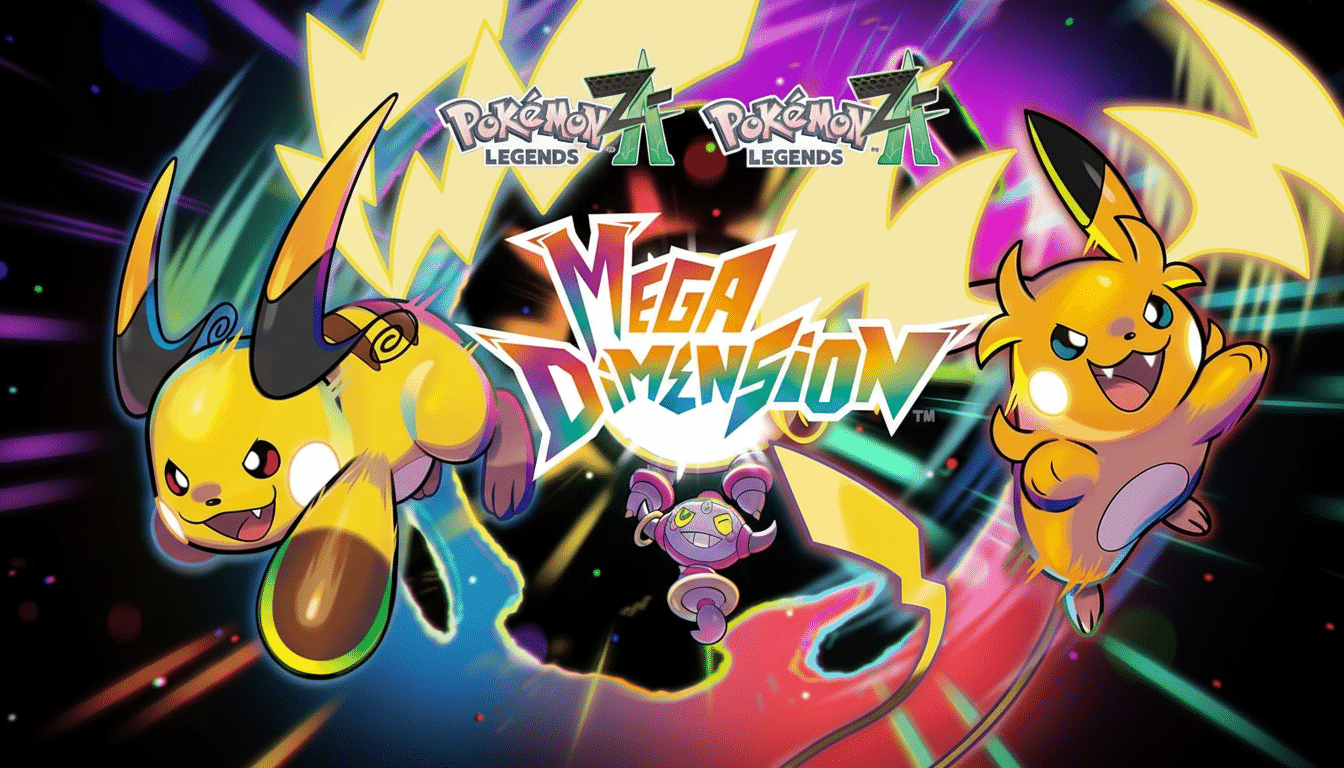
The company said its characters, music and trademarks were used without permission in a government-produced clip that featured enforcement footage framed by images of Ash Ketchum, the leading character in the Pokémon series, as well as images from the franchise and a slogan from it. According to people familiar with the brand’s policies, Pokémon is very strict about use indicating an endorsement — particularly in political or law-enforcement communications. For a franchise that has generated more than $100 billion in lifetime retail revenue, managing context is not just about legality — it’s essential to maintaining a brand-safe environment.
The move to address it follows pushback from fans who reported the video to Pokémon and Nintendo accounts on social media. Consumer revolt has proven a potent enforcer for rights holders, often yielding quicker results than remedies in court.
What the DHS video did show — and why it provoked outrage
The minute-long clip cut between ICE raid footage — officers searching homes, by some accounts without warrants issued in court, and taking people into custody — and quick shots of the sitcom series’ lead character, all synced to the familiar opening theme song. Critics say that the juxtaposition — which can reduce arrests to a literal game of numbers — cheapens both arrests and people in the snapshots, while distancing the reader from how deeply they affect lives. Civil liberties groups have long pushed back against the messaging, as it can muddy lines between accountability and theater: Independent watchdog reports and decades of court declarations have found cases where U.S. citizens — their names piled together in binders of hobgoblins — and legal residents were erroneously snatched up during enforcement sweeps.
Copyright, fair use and the government’s limits
Legally, the government’s use of copyrighted material without a license is not entitled to automatic protection. (Fair use also depends on whether the used material is transformative, how much of the original work was used and the impact that use could have on the market.) Using someone else’s hit theme song and their own trademarked slogan in order to advertise the enforcement of the law is unlikely to fit into a parody or commentary on Pokémon itself, which otherwise represents the strongest fair-use argument.
Even when the user is a federal agency, copyright can be claimed against them; however, remedies may vary. Claims for damages against the government under federal law for unauthorized use of copyrighted works proceed in the U.S. Court of Federal Claims, while stopping the infringing act can be more difficult to obtain. That has made platform-level enforcement — takedowns under the Digital Millennium Copyright Act — all the more critical for brands who want rapid removal.
There are also trademark questions. “Gotta Catch ’Em All” is a trademarked slogan, and including it in a government video could be taken as tacit endorsement. Though there are barriers to bringing a trademark action against a federal entity, rights holders often point to concerns over false association or endorsement when encouraging platforms to take action, or at least not repeat any misuse in the future.
Platforms can act faster than courts on takedowns
According to the guide, social networks will generally act on DMCA notices no matter who uploaded the content. Recent precedent indicates entertainment companies could be open to some political message takedown action: Linkin Park was able to get a presidential campaign video that used their music pulled down, and Warner Bros. challenged unauthorized film clips in political ads, and other artists from the Eagles to the estate of Prince have done so. In all those instances, platforms followed their copyright policies, instead of adjudicating fair use themselves.
If #pokemon files a formal notice, the video would fall under X and FB policy that requires them to take it down upon receipt, until a CN (counter-notice). That procedural reality often resolves disputes long before a judge can weigh in.
Nintendo and Pokémon’s history of enforcement
Nintendo and The Pokémon Company are infamous for cracking down on intellectual property, from taking down unauthorized fan games to policing uploads of music and broadcasts of tournaments. That stance represents not just what they believe their characters and music libraries are worth, but also a strategic decision: keep a tight leash with the goal of avoiding brand dilution. In that light, a prominent government video is exactly the sort of use that companies are most likely to challenge.
What to watch next as platforms and DHS respond
The big questions are now whether a formal takedown request is issued over the clip, when platforms remove and/or mute it, and if DHS changes its content strategy to stop using unlicensed pop-culture references. Communications professionals who work with public agencies report that best practice is perfectly plain: secure clean rights or use government-licensed stock and original scores. Anything else carries legal risk and reputational blowback.
For Pokémon, that response does double duty — to signal to fans that the franchise disavows the framing of immigration enforcement as entertainment and also to put would-be other users on notice that its IP isn’t a political plaything. The episode serves as a reminder for DHS of the real legal and ethical stakes of viral content.
