


Google’s most recent Android release made its way to almost every supported Pixel, but the Pixel 7a was quietly left behind. Various user reports around the community, along with a support chat logged on the Pixel subreddit, suggest that the 7a is affected by an obscure soon-to-be-patched bug, causing Google to put a temporary halt on pushing out its newest update over the air for this one model while all other Pixels proceed forward on Android 16 QPR2 as planned.
Why the Pixel 7a update was paused in this release
7a owners noticed the 7a was missing from Google’s own second wave of updates lists in question, despite being obviously eligible for Android 16 QPR2 7.58-24 on the matter. Meanwhile, users on Reddit passed around a support transcript referencing potential Wi‑Fi stability issues specific to the 7a, and independent coverage from tech-tracking outlets that monitor support forums picked up the same thread: Google put itself in time-out to keep from sending out a build that could degrade core connectivity performance on this midrange model.
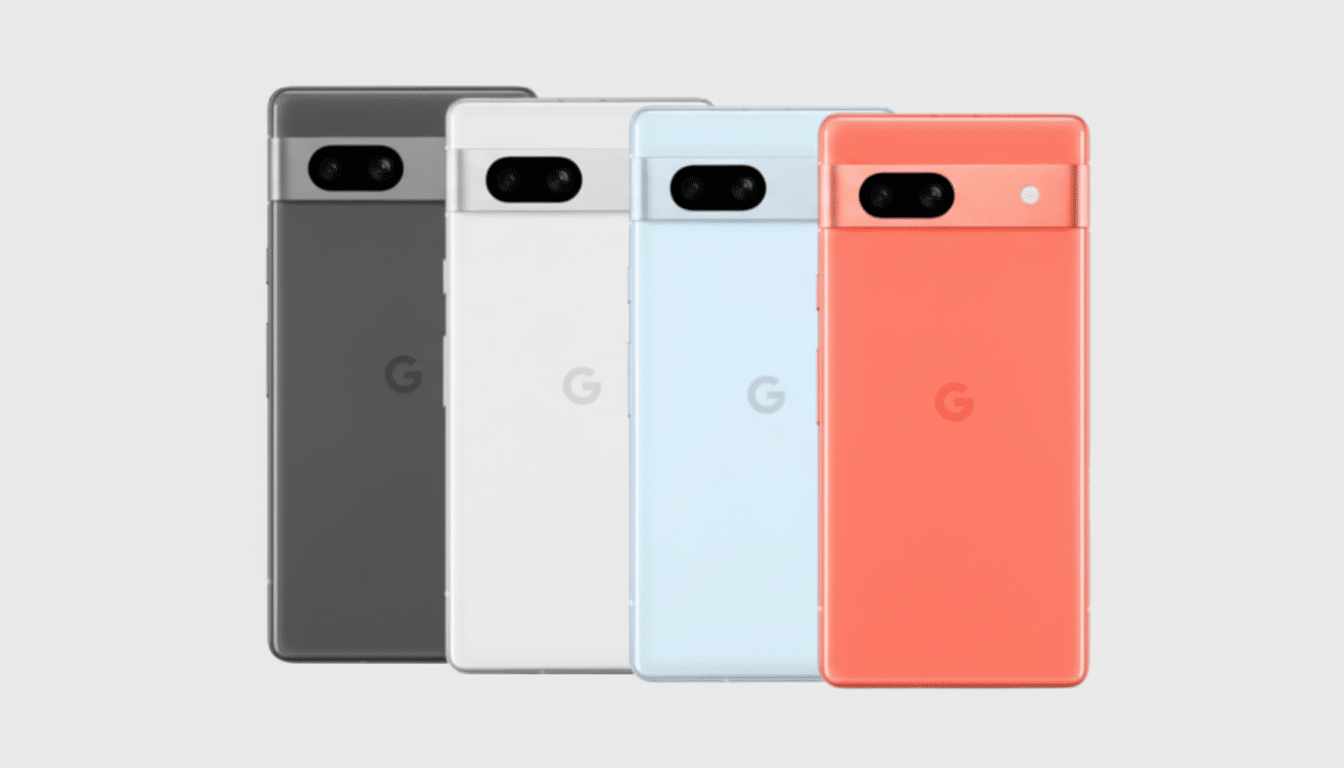
This does sting for 7a owners, however. This platform release includes a large number of fixes and quality-of-life improvements for Pixels across the board. Nevertheless, freezing a rollout is the correct thing to do when a regression impairs reliability — especially when it comes to networking, where ripple effects could extend into app performance as well as call and battery behavior.
Why only the Pixel 7a appears affected by this bug
The 7a is built on Google’s Tensor G2 platform, which it shares with the other Pixel flagships of that era in 2023, but the components that are chosen to populate said board along with radio tuning and firmware stack aren’t exactly the same as in the more expensive stuff. That’s to leave space for driver regressions in Wi‑Fi drivers or coexistence with cellular and Bluetooth. An apparently benign kernel config or vendor blob tweak that introduces no problems on one device can become an instability factor on another with other antennas or power scheme.
There is precedent for this type of surgical pause. Google was forced to pull a system update for the Pixel 6 generation a few years ago following numerous complaints of connectivity issues, before reintroducing a fixed build for the subsequent cycle. Pinpointing the model in question, albeit narrowly, confines collateral risk as engineers test a fix.
What this paused update means for other Pixel models
Android 16 QPR2 is one reasonable maintenance release — the sort that would usually squash UI jank, trim random app freezes, and harden modem/Wi‑Fi behavior in challenging network conditions.
Initial impressions from other Pixel models suggest smoother animations, better background power management, and fewer handoff hiccups among access points.
That missing 7a sticks out like a sore thumb, then. Those buyers in the midrange tend to lean on the quarterly platform refreshes for this kind of thing to try and get as much life out of their devices as possible, so missing a step in the cycle no matter how brief can feel like taking a step back. The upside: Withholding a build is typically an indicator that an issue is known and actively being addressed.
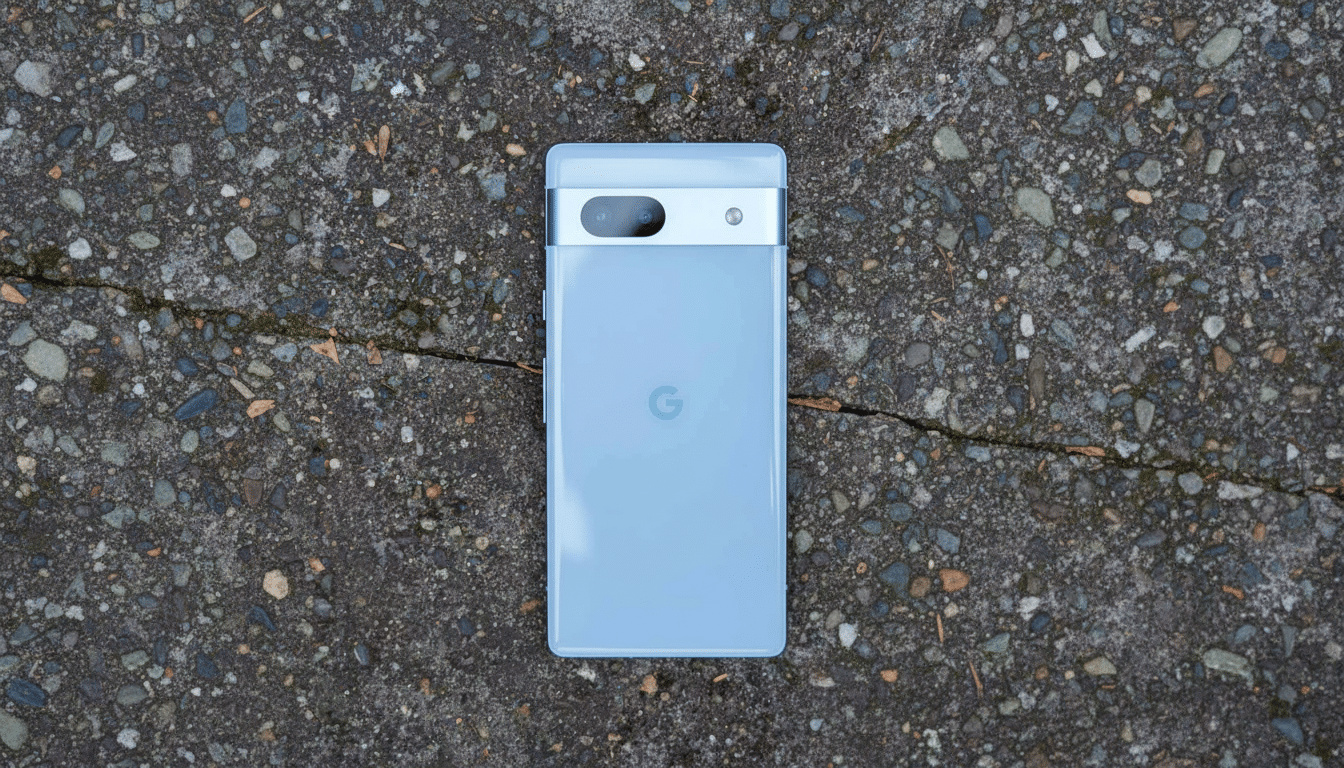
When a fix could arrive for the Pixel 7a update
Two scenarios are most likely. There are two release options here, one being a mid-cycle hotfix, which are tiny incremental OTAs by way of a bumped build number that go out to the 7a only after a bug has been validated and fixed. Google applies that playbook in cases when a single component regression prevents a release from going out the door.
Second, roll it into the following monthly patch: The bug fix travels with its basic security updates and any immediate platform-level refinements, creating one comprehensive build for testing purposes — and to make the process of rollback easier if something does go wrong. In the past, if connectivity is in play, Google often prefers to be extra careful with larger soak testing before ramping up distribution.
What Pixel 7a owners should do while awaiting a fix
Avoid sideloading images meant for other Pixels or pre-release channels. Cross-flashing can break radio certification, Wi‑Fi calling, or payment services, and makes your way back to a stable situation more complex. Don’t do this, as you want to stay on automatic updates while awaiting the official over-the-air push designed for the 7a’s build fingerprint.
If you are experiencing current Wi‑Fi instability, simple mitigations might work:
- Reboot the device after it’s been up for a long time.
- Reset network settings.
- Try both 2.4 GHz and 5 GHz frequency bands.
- If no critical service depends on them, temporarily turn off special router features such as WPA3 and MAC randomization while troubleshooting.
No, these won’t replace a firmware fix, but at least they may alleviate some of the edge cases you are encountering until that bug-corrected build arrives.
Importantly, this pause should not be interpreted as a signaling of support retreat. The 7a still falls within its official update period, and Google’s update bulletin and factory image lists will be updated when the new build passes validation. Since Wi‑Fi is at the core of everyday operations, that’s really a fair trade-off — waiting for a stable release.
Bottom line: The vast majority of Pixels are now in the process of being showered with the latest platform polish, and the Pixel 7a will be joining them as soon as Google plops out a connectivity-safe build. That short delay highlights a more fundamental truth about the state of modern OTA pipelines: Shipping fast is important, but shipping stable is far more important.
