


Google’s newest budget model arrives with a familiar question for shoppers eyeing an upgrade: is the extra $300 for the standard Pixel 10 really worth it? The Pixel 10a undercuts on price while promising most of the experience that made Google’s recent phones compelling—clean Android, long-term updates, and increasingly capable on-device AI. The calculus hinges on a few hardware advantages and quality-of-life gains that, for certain users, justify the premium.
What You Gain With Pixel 10 Over The 10a
The Pixel 10 typically carries the premium build and polish: higher-grade materials, a brighter and more efficient display, and faster storage that speeds up app loads and large file transfers. Expect an IP68 rating for dust and water resistance, sturdier glass, and niceties like quicker wireless charging. These are the touches you notice every day, even if raw speed feels similar.
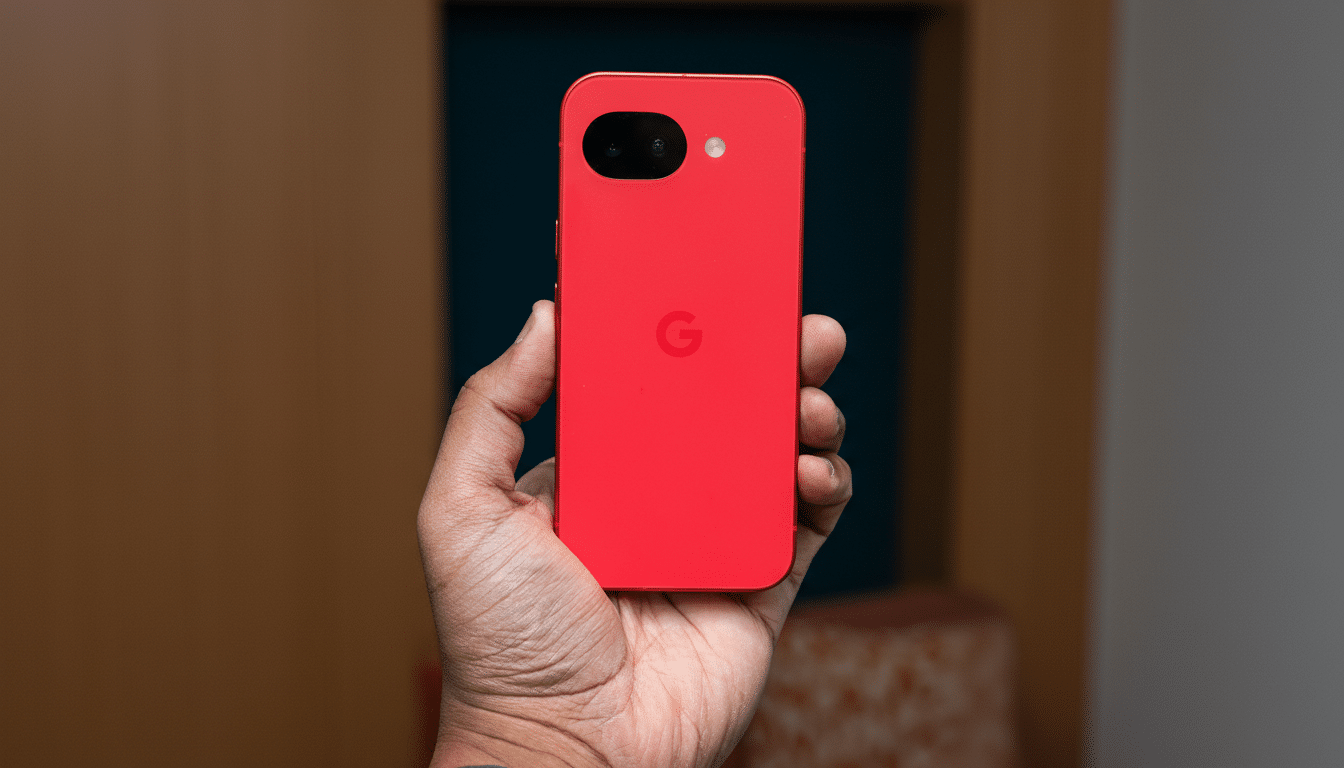
Photography is where the flagship case gets stronger. While Google’s computational photography narrows gaps, the mainline Pixel tends to use a larger primary sensor, a sharper ultrawide, and improved stabilization. In challenging lighting and extended 4K video shoots, that translates to cleaner detail, steadier footage, and less thermal throttling. Independent testing outfits such as DxOMark and expert camera reviewers have consistently found that Google’s flagships edge their budget counterparts in difficult scenes and video performance.
Connectivity is another swing factor. Carriers often reserve broader mmWave 5G availability for the flagship trims, and features like Ultra-Wideband for more precise device finding and quick-share scenarios are more common on the higher-end model. If you rely on the fastest cellular bursts or use a modern smart-tracker ecosystem, check the spec sheets carefully before you buy.
Where Pixel 10a Closes The Gap With Pixel 10
Google’s A-series has increasingly blurred the line by bringing the same core software and AI features to a lower price point. In recent generations, both tiers have shared the Tensor platform and seven years of Android and security updates—an industry-leading policy first announced with the Pixel 8 family and extended to the 8a. If that playbook holds, everyday performance, voice features like Call Screen, and on-device AI tools such as summarization and transcription feel virtually identical on the 10a.
The display story is also tighter than it used to be. Midrange OLED panels have caught up on resolution and refresh rates, making scrolling smooth and colors accurate. You may give up some peak brightness or LTPO power savings, but in indoor use and typical social video, the differences are subtle. Battery life can actually favor the 10a thanks to a slightly lower power draw, and many buyers will prefer its cooler-running profile during long video calls or gaming sessions.
Camera Differences In Real Use Between 10 And 10a
Daylight photos are rarely the problem for modern phones. The distinction emerges at night, in HDR scenes with moving subjects, and in long clips that stress thermal design. The flagship’s larger sensor and faster glass pull in more light per frame, which gives the image-processing pipeline more to work with. That means fewer smeared details in dim restaurants, more accurate skin tones under tricky backlighting, and less rolling shutter in fast pans. Outlets like Consumer Reports and independent YouTube labs have repeatedly shown these edge cases are where pricier models earn their keep.
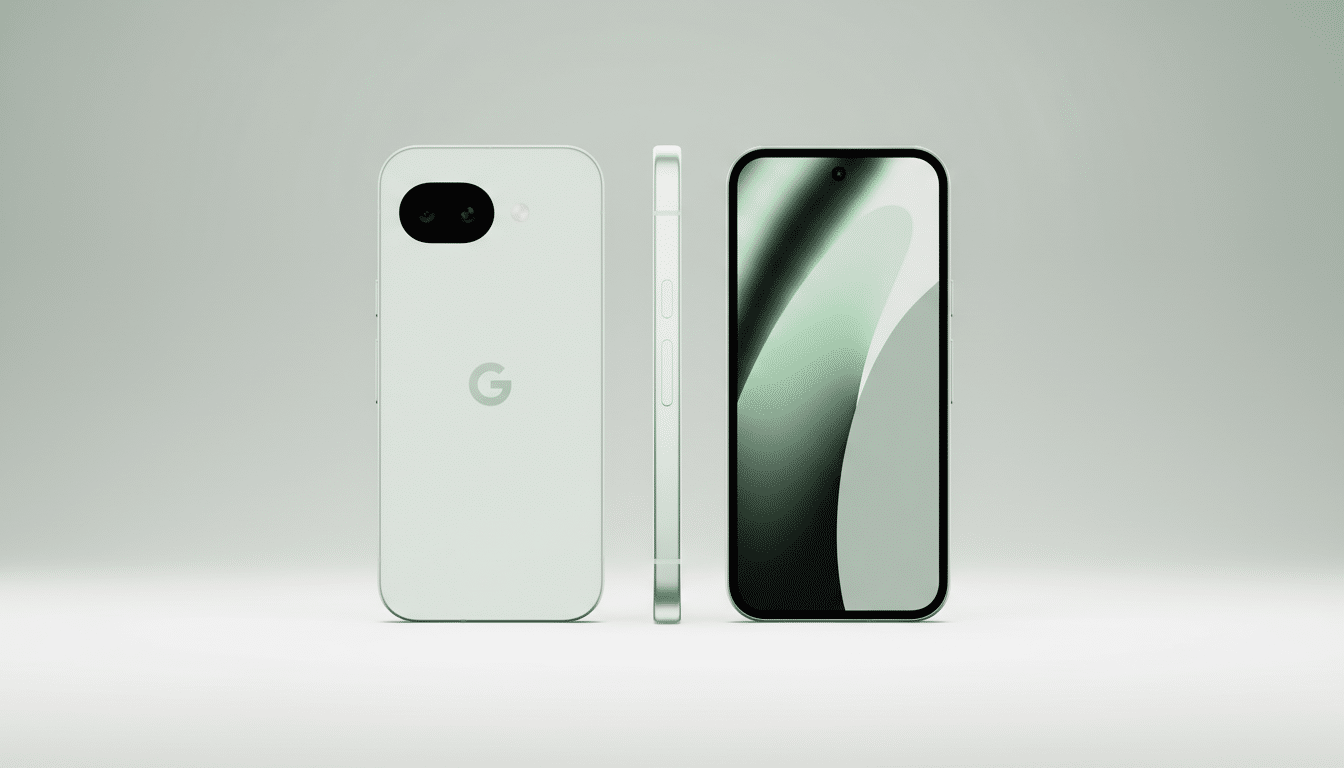
That said, Google’s software lifts the 10a higher than price would suggest. Features such as Best Take, Magic Eraser, and advanced noise reduction often deliver a look that rivals premium phones from a few years ago. For parents shooting parks and classrooms, or travelers grabbing cityscapes, the 10a’s shots will satisfy more often than not.
Performance Display And Network Tradeoffs
If you edit short 4K clips, juggle heavy multitasking, or keep hundreds of offline files for work, the Pixel 10’s extra RAM and speedier storage can trim waiting time across the board. Gamers also benefit from higher sustained frame rates before heat dials things back. On displays, the flagship’s higher sustained brightness helps under harsh sun and improves HDR highlights in supported streaming apps—a difference that becomes obvious outdoors.
Network support is increasingly regional. IDC and Counterpoint Research note that carrier-specific 5G bands and mmWave availability vary widely by market and SKU. Before buying, confirm whether your model supports the fastest bands your carrier uses, especially if you rely on stadium or downtown mmWave zones for big downloads.
Who Should Spend The Extra $300 On Pixel 10
Choose the Pixel 10 if you shoot a lot of video, work outside frequently, or demand the best build, water resistance, and charging convenience. Creators, mobile photographers, and commuters in dense 5G markets will feel the upgrade most.
Pick the Pixel 10a if you want Google’s core experience—timely updates, on-device AI, excellent still photos, and reliable battery life—without stretching the budget. For students, casual photographers, and anyone upgrading from a three- to four-year-old phone, the 10a delivers remarkable value while keeping the must-haves intact.
Bottom Line: Which Pixel Is The Better Buy For You
The $300 premium buys tangible upgrades, but not everyone needs them. The Pixel 10 is the right call when you notice display brightness, push cameras hard, or want every connectivity and durability box ticked. The Pixel 10a, meanwhile, brings flagship-grade software and smart features to a friendlier price, making it the smarter purchase for most buyers who live in messaging, maps, and photos rather than pro video and extreme connectivity.
