


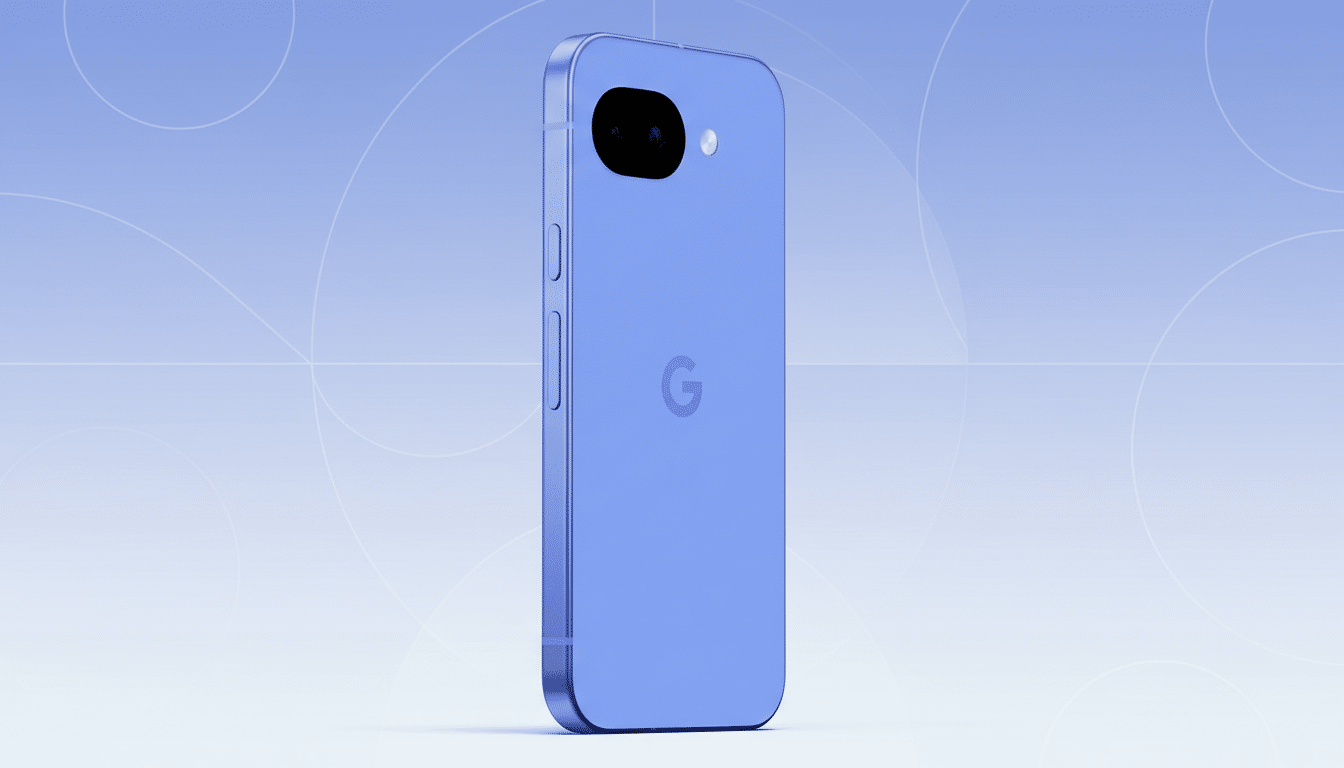
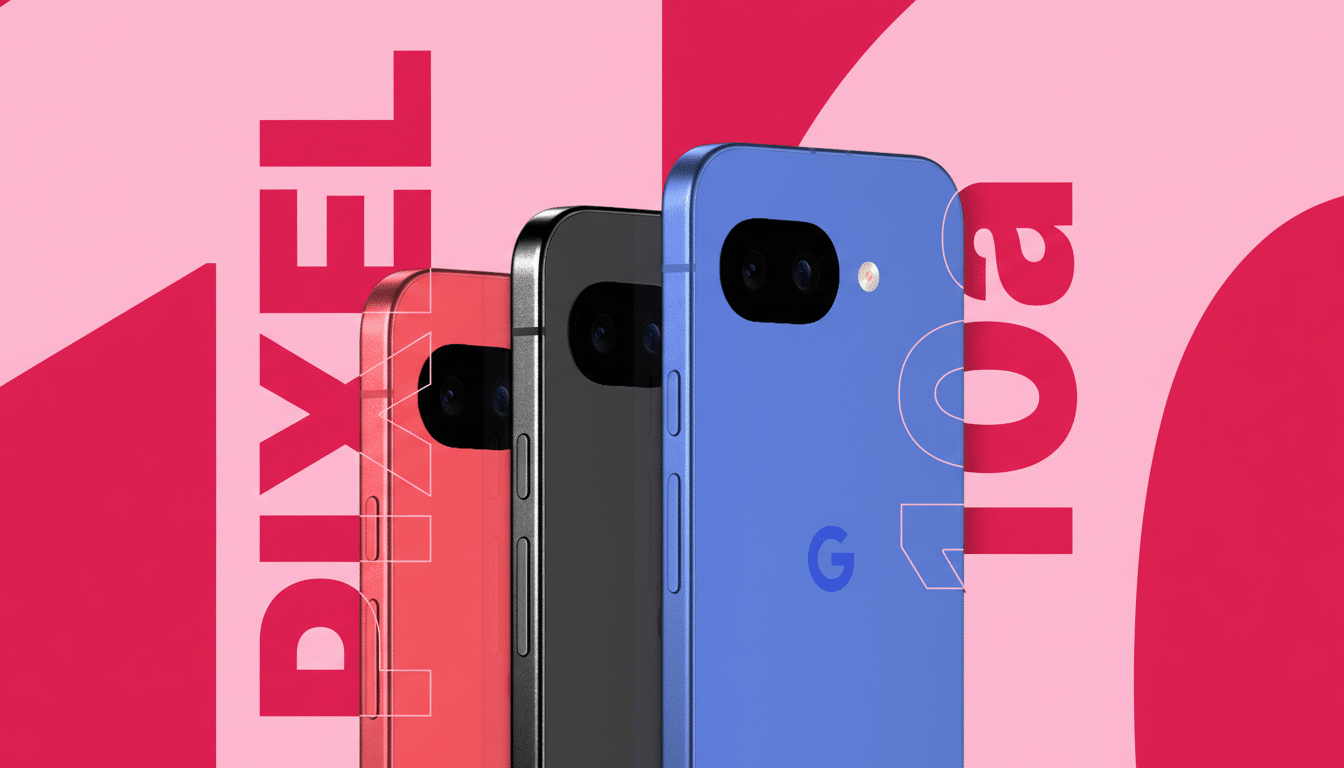
A new listing in the European Product Registry for Energy Labelling points to a surprise win for Google’s next midrange phone. According to the official EU energy label, the Pixel 10a is rated for 53 hours and 14 minutes of battery life, a figure that on paper could outlast the endurance scores associated with the flagship Pixel 10 family.
The same filing assigns the device an A energy efficiency grade and specifies that its battery is designed to endure 1,000 full charge cycles before dropping below 80% of original capacity. Those two details together suggest Google is prioritizing longevity just as much as headline specs.
Why A Midrange Pixel Could Win On Endurance
It’s not unusual for midrange phones to beat premium flagships in raw stamina. Lower display resolutions, less aggressive CPU/GPU clocks, and tuned power management often combine to yield longer run times from similar battery capacities. Reports indicate the Pixel 10a packs a 5,100 mAh cell—matching last year’s affordable Pixel—so the leap here likely comes from system efficiency rather than a bigger battery alone.
We’ve seen this dynamic across the industry: mainstream models like Samsung’s A-series have routinely posted longer screen-on times than their ultra-tier counterparts in independent lab tests, primarily because endurance trumps absolute performance in this segment. If Google balances refresh rates and background processes well, the 10a’s label rating could translate into tangible day-and-a-half comfort for real users.
Inside The EU Energy Label Numbers For Pixel 10a
The EU’s smartphone label is designed for comparability. Manufacturers submit standardized measurements—endurance, energy class, drop performance, ingress protection, and repairability—to EPREL so shoppers can evaluate devices on more than just speed and camera prowess. The 53h14m figure is a controlled metric rather than a promise for every usage pattern, but it gives a consistent yardstick across models.
Crucially, the 10a’s A energy efficiency grade places it near the top of the scale at launch, signaling careful hardware and software tuning. And the 1,000-cycle durability claim for the battery—roughly equivalent to close to three years of daily charging before falling under 80%—puts the 10a in line with the most ambitious longevity targets we’ve seen recently from major brands.
Durability And Repairability Grades At A Glance
The same EU label lists IP68 protection, confirming resistance to dust and prolonged water exposure, and assigns the phone an A for repeated free-fall performance. That drop grade indicates stronger-than-average physical resilience under standardized testing.
Repairability earns a B—a respectable mark that suggests key components and documentation should be reasonably accessible. The EU’s methodology considers factors like ease of opening, battery replacement procedures, and parts availability. Google’s previous parts partnerships and steady supply of official repair guides have helped Pixels score better than many rivals in this category; the 10a appears to maintain that trajectory.
What It Means For Buyers Considering Battery Life
If the EU label’s endurance rating holds up in independent reviews, the Pixel 10a could become the default recommendation for travelers, commuters, and anyone who values certainty over chargers. An A energy class plus 1,000-cycle resilience also hints at slower capacity fade, which matters for owners who keep phones 3–4 years.
For Google’s lineup, a stamina lead for the 10a would reinforce the idea that “midrange” now means balanced rather than compromised. Flagships will still win on display tech, camera hardware, and peak performance, but the 10a may set the pace on staying power—arguably the one metric users feel every single day.
Caveats Before Crowning A Battery Life Champ
Label ratings don’t capture every variable. Real-world life will vary with 5G signal quality, refresh rate settings, background syncing, and camera use. Software updates can improve or dent endurance post-launch, and the Pixel 10 series may receive optimizations of its own over time.
Even so, an official 53-hour-plus benchmark is a strong early signal. If independent testing corroborates the EU listing, the Pixel 10a may indeed surpass the Pixel 10 series where it counts for most users—lasting longer between charges without babying the battery.
