


Two of the most talked-about mid-tier Android phones have arrived to square off, and after weighing the trade-offs, I find myself leaning decisively toward the Pixel 10a. Both it and the Galaxy S25 FE deliver polished software, flagship-adjacent features, and long-term support, but five practical advantages tip the balance for me.
From day-to-day comfort to screen visibility and camera consistency, the Pixel 10a nails the fundamentals that matter most in real use. Here’s why it wins my pick over Samsung’s latest Fan Edition.
Smaller Footprint Delivers Better Comfort and Usability
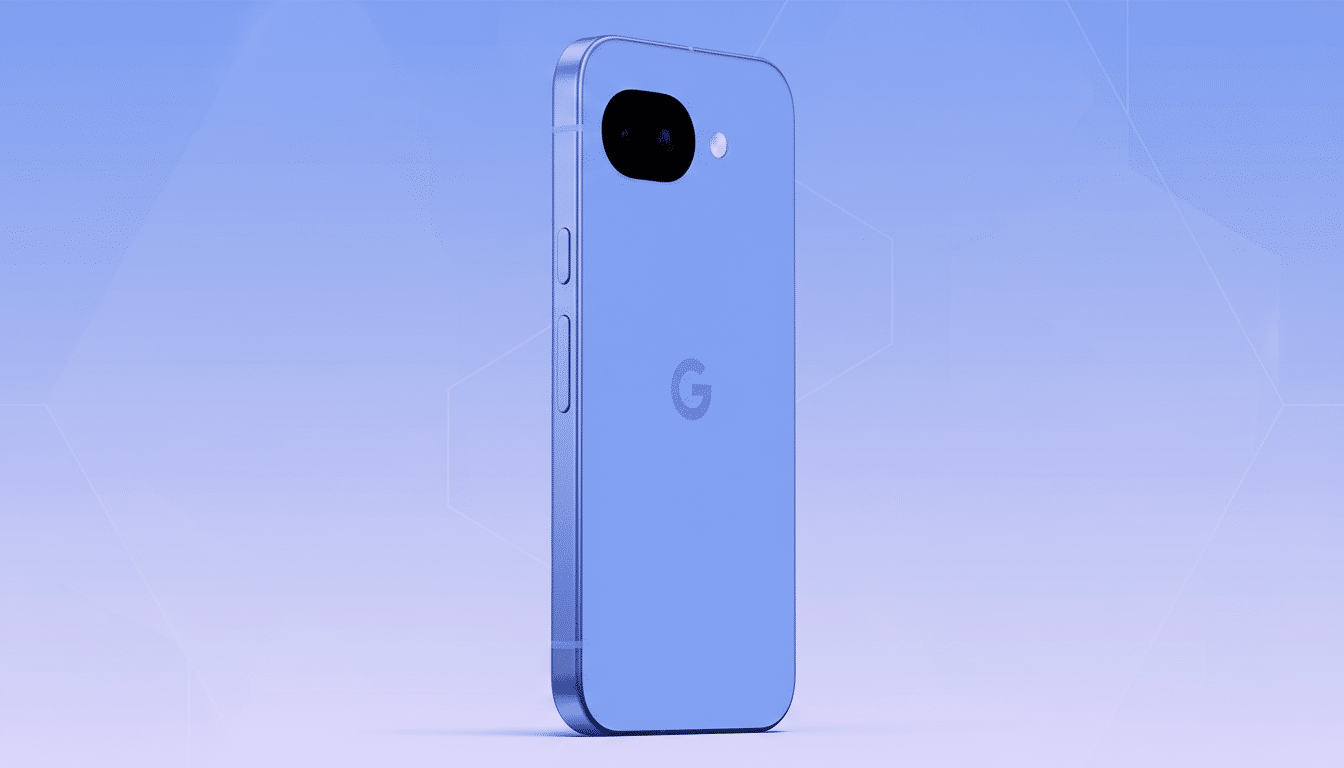
I’m over outsized slabs. The Pixel 10a clocks in at 183g with a 153.9 x 73 x 9mm body, which feels planted but not ponderous. The near-flush rear camera bar keeps the back smooth, minimizing snags when sliding it from a pocket and avoiding the desk wobble that raised camera islands often create.
By comparison, the Galaxy S25 FE stretches out to 161.3 x 76.6 x 7.4mm and is still about 7g heavier. It’s thinner, yes, but the added length and width translate to a more hand-filling device. If you prize one-handed comfort and less fatigue over marathon scrolling sessions, the Pixel 10a’s stature is simply friendlier.
Sharper Brighter Screen You Can See Anywhere
The 6.3-inch 2,424 x 1,080 OLED on the Pixel 10a offers roughly 421 ppi, versus about 385 ppi on the S25 FE’s 6.7-inch 2,340 x 1,080 panel. That’s close to a 9% bump in pixel density, and it shows in crisp text and finely rendered UI elements. Small difference on paper, big deal for eyestrain.
Brightness is an even bigger separator. Company specifications list the Pixel at up to 3,000 nits peak, while the S25 FE tops out around 1,900 nits. That’s up to a 58% advantage for the Pixel, which directly impacts outdoor legibility. On sunny sidewalks and stadium seats, the Pixel’s display remains readable without cranking contrast or cupping the screen with your hand.
More Consistent Photos Without Fuss or Fiddling
Both phones largely reprise their predecessors’ camera hardware, but Google’s computational pipeline continues to be the difference-maker. The Pixel 10a’s dual-camera setup leans on reliable processing for balanced exposures, skin tones that don’t swing too warm or cool, and dependable low-light shots. Features like Macro mode on the main sensor, Panorama, and group-friendly tools such as Add Me consistently produce shareable results without fidgeting through modes.
Yes, Samsung includes a dedicated telephoto lens, but extra reach isn’t the same as better photos. In my experience, and in repeated community blind tests run by prominent reviewers, Pixel phones routinely score near the top for overall image preference thanks to color accuracy and dynamic range. If your aim is to capture the moment quickly and confidently, the Pixel 10a’s “point, shoot, and trust it” ethos wins.
Design With Personality And Practicality
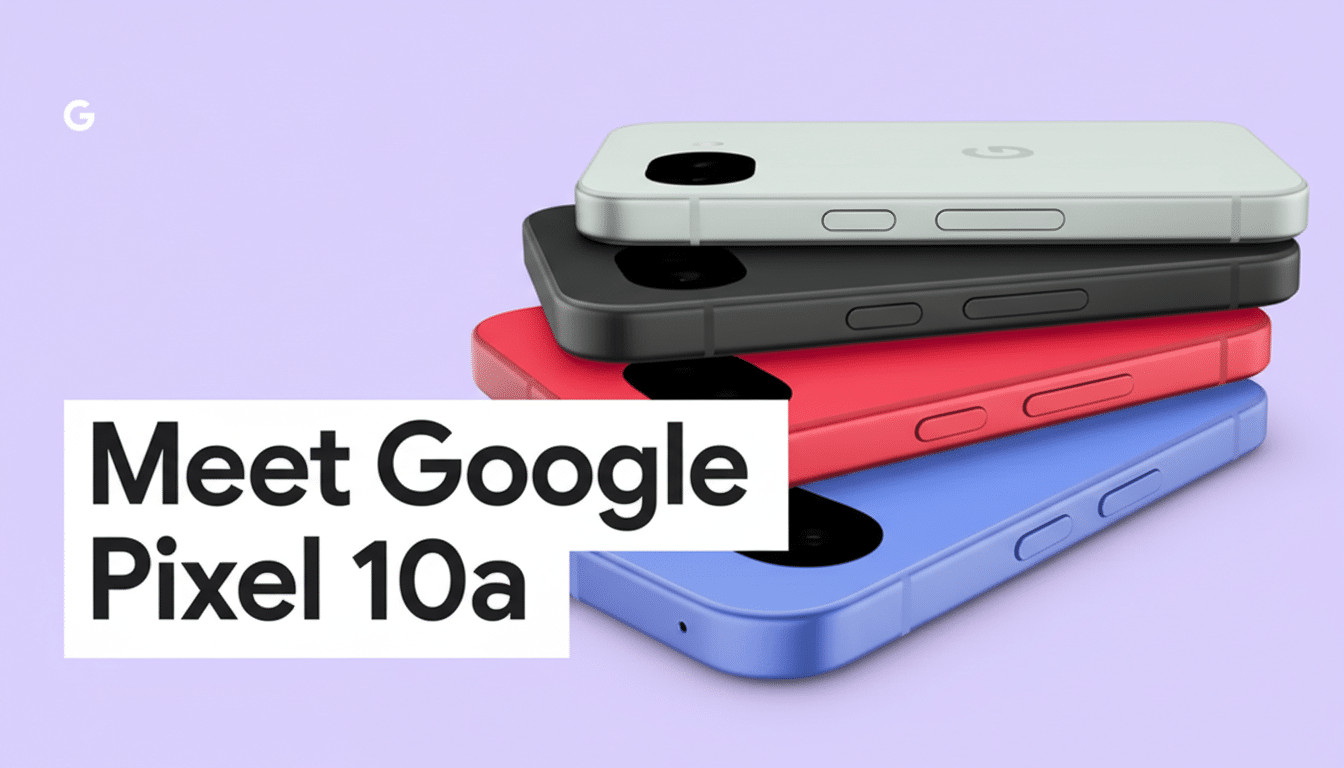
Phone design should spark a little joy. The Pixel 10a’s palette—Lavender, Berry, Fog, and Obsidian—brings character without feeling juvenile. More importantly, the contoured camera bar integrated into the chassis thickens the phone where it counts, allowing for efficient use of internal space while keeping the back clean and stable on a table.
Samsung’s minimalist aesthetic is sleek, but the FE’s individual lens rings and flatter back do less to mitigate wobble or pocket friction. A touch of personality and pragmatism goes a long way when you handle a device dozens of times per day.
Lower Price Delivers Stronger Value for Most Buyers
The Pixel 10a starts at $499 for 128GB of storage, undercutting the Galaxy S25 FE’s $649 sticker by $150. Sales and trade-in deals can narrow that spread, but value is about standards at full price. The Pixel covers the essentials I care about—quality screen, dependable camera, comfortable hardware, and robust software support—without nudging into sub-flagship territory on cost.
Industry trackers like IDC and Counterpoint Research have repeatedly noted that sub-$600 devices drive a huge share of Android volume. The Pixel 10a hits that sweet spot cleanly, leaving room in the budget for cases, wireless earbuds, or cloud storage—practical add-ons that actually improve the experience.
There are legitimate reasons to pick Samsung’s FE: faster charging, a beefier chipset on paper, a bigger canvas for media, and One UI’s feature set. But judged on everyday usability and what you feel hour by hour—size, visibility, reliability, and price—the Pixel 10a is the one I’d buy.
