


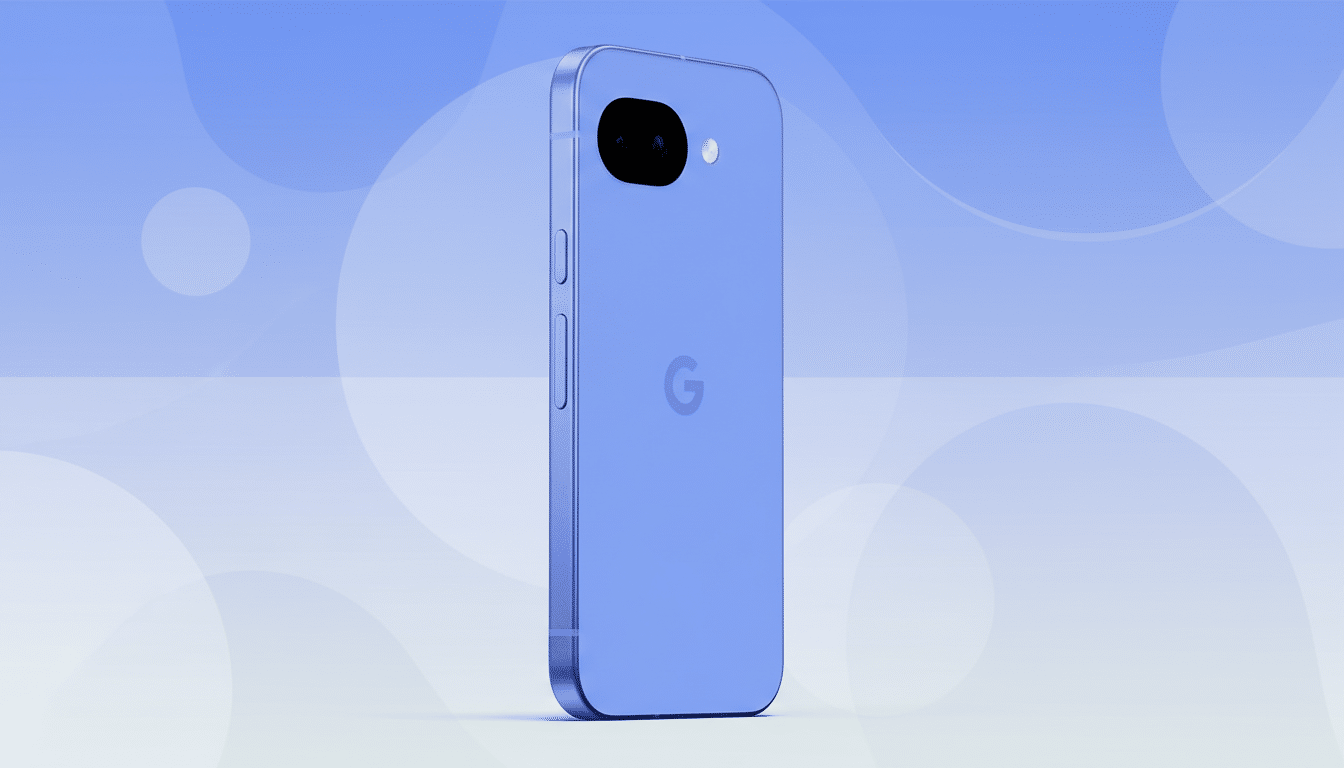
Google’s new Pixel 10a ships with a surprise that immediately elevates it above past A series models—native compatibility between Quick Share and Apple’s AirDrop. Right out of the box, the midrange Pixel can beam files to nearby iPhones, iPads, and Macs, trimming away years of cross-platform friction with a feature that had, until now, been confined to Google’s latest flagships.
The move makes the Pixel 10a the first A series device to inherit Google’s most eyebrow-raising Android play: seamless local sharing with Apple hardware without a third-party app or cloud hop. It also follows Google’s rollout of the same capability to the Pixel 9 family, including the Pixel 9 Pro Fold, leaving the Pixel 9a conspicuously without support for the time being.
Why It Matters For Midrange Android Buyers Today
Interoperability is no longer a nice-to-have. In households and friend groups where iPhones dominate, an affordable Android that “just works” with AirDrop can be the difference between a smooth night out and a frustrating round of link sending. The Pixel 10a’s $499 price tag puts this convenience within reach for far more people than a flagship ever could.
Demographics amplify that impact. Piper Sandler’s recurring teen survey has consistently found that roughly 85%–90% of US teens use an iPhone, a social context that often nudges Android owners to conform. Giving a midrange Pixel native AirDrop compatibility undercuts that pressure and makes platform choice less of a social penalty.
There’s also a scale argument. IDC has repeatedly reported that sub-$500 devices account for the majority of global smartphone shipments. Placing cross-platform local sharing in this segment means the feature can touch far more people, far faster, than if it remained a flagship exclusive.
How The Cross-Platform Sharing Feature Works In Practice
In everyday use, the experience mirrors standard Quick Share. Bring devices within Bluetooth range, choose a file on the Pixel, and select the nearby Apple device. On the iPhone, AirDrop must be set to “Everyone for 10 Minutes,” Apple’s temporary open-discovery mode that reduces spam without locking the door entirely.
Discovery happens over Bluetooth, while the payload typically moves over a fast peer-to-peer Wi-Fi link. That keeps transfers local, private, and quick—especially for photos and videos that would otherwise be throttled or compressed over messaging apps. Both sides see clear prompts, and transfers can be accepted, declined, or limited by visibility settings.
The key limitation to remember: this is a proximity feature, not cloud sync. It shines for ad hoc sharing at events, in classrooms, or in the office, but it doesn’t replace backups or cross-device libraries. For that, users will still lean on Google Photos, iCloud, or other storage services.
Rollout Status And Why The Pixel 9a Support Is Missing
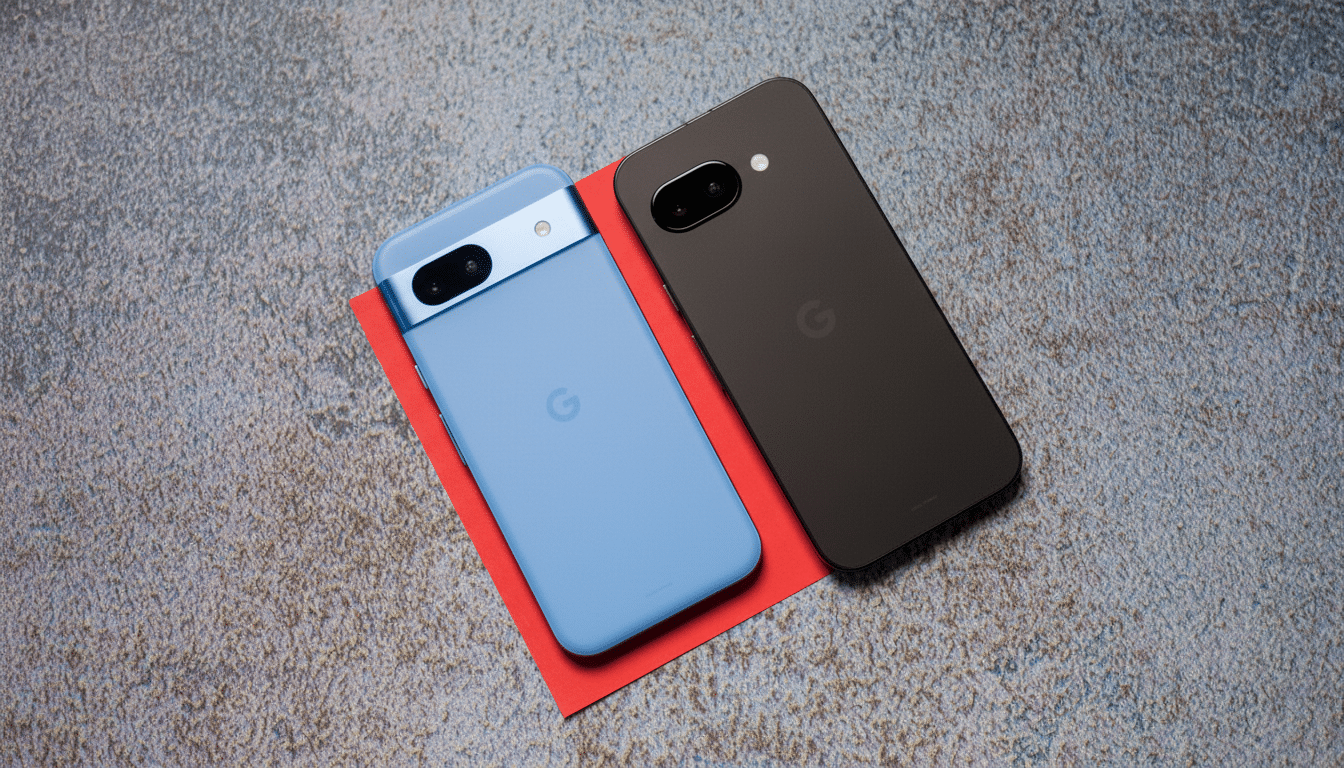
Until very recently, Quick Share–AirDrop compatibility lived only on the Pixel 10 flagships. Google has since extended support to the Pixel 9 series, including the foldable Pixel 9 Pro Fold. Notably absent is the Pixel 9a, which remains on the sidelines for now despite being newer than some Pixel 9 variants.
That omission appears strategic. Launching the Pixel 10a with the feature on day one gives Google a clean, marketable win for a device line known for value. The company says more Android phones will gain compatibility later this year, suggesting a staggered rollout that could be tied to firmware, radio stacks, or certification windows rather than pure hardware limits.
The Bigger Picture Behind This Interoperability Push
Cross-platform sharing doesn’t happen in a vacuum. Regulators and standards bodies have pushed the industry toward openness—from the USB-C transition to messaging interoperability debates—and consumers increasingly expect their devices to cooperate. Apple has also taken incremental steps toward broader compatibility in other areas, such as committing to support RCS messaging, even if full parity with iMessage features remains unlikely.
For Google, making Android play nicely with AirDrop is a user-first statement that also blunts a long-standing iPhone lock-in narrative. For Apple users, it lowers the barrier to collaborating with Android-toting friends and coworkers without surrendering privacy or convenience.
What Comes Next For Android And Cross-Platform Sharing
Watch for rapid adoption across 2025-era Android releases as vendors fold the capability into their custom builds. Keep an eye on how reliability and speed evolve with software updates, and whether the Pixel 9a receives the feature to unify Google’s midrange lineup. For now, the Pixel 10a puts a flagship-grade convenience in the hands of mainstream buyers—and that may be its most compelling upgrade.
