


After weeks of charging the Pixel 10 lineup on a stack of Qi2-certified pads, stands, and power banks, the verdict is clear: Qi2 works on Google’s latest phones, but not always the way spec sheets suggest. Five takeaways stood out, backed by repeatable tests, wattage logs, and real-world use from the desk to the car.
Certified Qi2 Is Essential For Pixel 10 Wireless Charging
The first lesson is a simple buying rule: if you own a Pixel 10, use a certified Qi2 charger. In multiple trials, older Qi pads that support the Extended Power Profile (EPP) delivered only about 3.6W in practice, which aligns with Basic Power Profile’s 5W ceiling once conversion loss is accounted for. The Pixel 10 consistently prioritized Qi2’s Magnetic Power Profile handshake; when that signal wasn’t present, it didn’t reliably fall back to higher EPP rates. That meant 10W and 15W-labeled Qi pads from reputable makers behaved like slow 5W pucks.
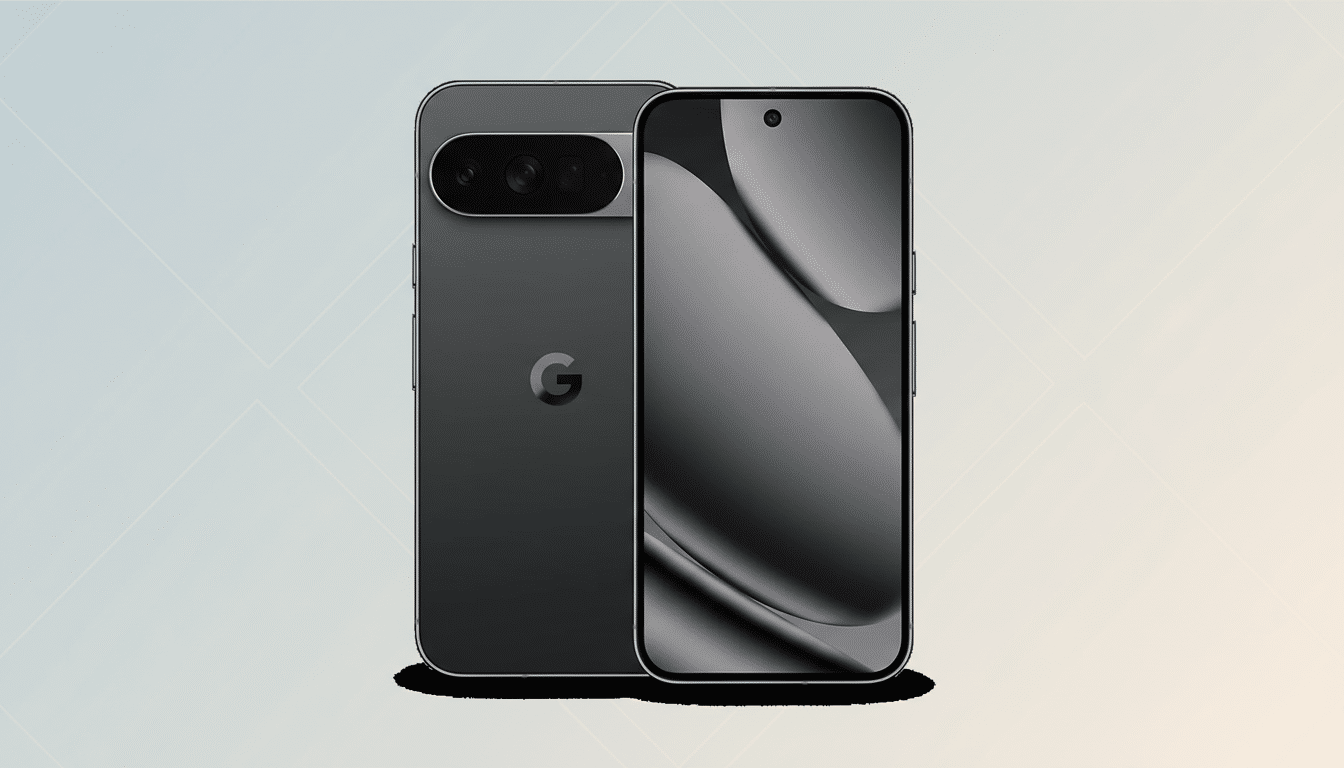
This mismatch helps explain the flood of user complaints about unreliable car pads and legacy stands. On paper, Qi2 is backward compatible, as the Wireless Power Consortium specifies, but implementation choices on the phone matter. Tellingly, a Pixel 9 charged faster on the same legacy pads than a Pixel 10 did, highlighting the new model’s stricter Qi2-first behavior.
25W Qi2 Delivers Little Real Advantage Over 15W
Lesson two: chasing a 25W Qi2 badge (sometimes labeled Qi2.2) won’t transform the experience. On the Pixel 10 Pro XL, a full charge on a 25W Qi2 stand took roughly 135 minutes. The early surge hits the 20–30W range at the wall, then quickly settles into a long plateau around ~10W for most of the session. In side-by-side comparisons with quality 15W Qi2 pads, the total time difference was marginal because both converge to the same sustained power band after the brief initial spike.
Bottom line: pay for 25W Qi2 only if the price delta is small or you want to future-proof for other devices. For Pixel 10 today, 15W Qi2 gets you functionally similar real-world results.
Wired USB-C Still Wins on Speed and Consistency
Lesson three is unsurprising but crucial for planning your day: wired charging remains in a different league. The Pixel 10 Pro XL reached a full charge via USB-C in about 77 minutes, sustaining elevated power for 30+ minutes before tapering. By contrast, Qi2 25W nearly doubled the total time and curtailed the high-power window to just a few minutes.
It’s worth noting that wireless can be fast when the system is tuned end to end. A previous-generation flagship paired with a first-party 23W stand completed a full charge in about 101 minutes in our comparative tests, maintaining higher power longer and cooling sooner near the end. The takeaway is not that wireless is inherently slow, but that the Pixel 10 series’ current Qi2 behavior leaves speed on the table.
Heat Is the Hidden Bottleneck in Pixel 10 Qi2 Charging
Lesson four centers on thermals. With Qi2, the Pixel 10 hovered near 38–39°C for much of the session, even as power stepped down. By cable, the phone peaked around a similar temperature but dropped off noticeably after the initial high-power phase. Wireless heat is a double tax: it wastes energy and triggers tighter power control, lengthening charge time.
Simple fixes help. Remove thick cases or metal accessories, rely on the magnetic alignment built into Qi2 to avoid coil misalignment losses, and favor stands or pads with active cooling or generous ventilation. Battery researchers and teardown specialists have long warned that sustained elevated temperatures accelerate cell aging; nothing dramatic will happen in a day, but hundreds of hot cycles add up. Keeping the phone cooler isn’t just about speed—it’s about longevity.
Expect About 50% From Qi2 Power Banks on Pixel 10
Lesson five is the one travelers feel fastest: wireless power banks deliver far less than their label suggests. Across several 10,000mAh Qi2 25W packs from well-known brands, a Pixel 10 Pro or Pro XL typically drained the bank to reach 100%. A slim 5,000mAh pack added roughly 50% to the phone. That aligns with the physics—inductive links often sit in the 60–70% efficiency range before thermal derating, alignment errors, and conversion steps shave off more. Plugging in over USB-C immediately recovers a meaningful chunk of that loss, often yielding ~20% more usable phone charge from the same pack.
If you rely on a power bank for emergencies or travel, assume roughly half of the advertised capacity will make it into the Pixel 10 over Qi2 and plan accordingly.
The practical guidance is straightforward. Use certified Qi2 if you care about reliability, but don’t overspend on 25W pads for this generation. For quick top-ups before you leave, plug in. For overnight convenience, a Qi2 stand is fine—just give the phone room to breathe. And if you’re shopping for on-the-go power, remember the 50% rule for wireless and carry a cable when efficiency matters. I’m optimistic that firmware tuning or next-gen hardware—and better-cooled Qi2 chargers—will narrow the gap, but today, these are the rules the Pixel 10 plays by.
