


Google’s new Pixels claim headline support for the state-of-the-art in wireless charging — but real life falls a bit flat against that on-paper promise. Even in everyday use, at home, in cars, and on public transit, unless you put it on a Qi2-compliant pad or whatever, then you’re likely to see charging rates that end up very slow, intermittent, or not at all for the Pixel 10 family. It’s a feeling that is the opposite of convenience at a moment when things should be getting more convenient.
What the Pixel 10 wireless charging specs promise
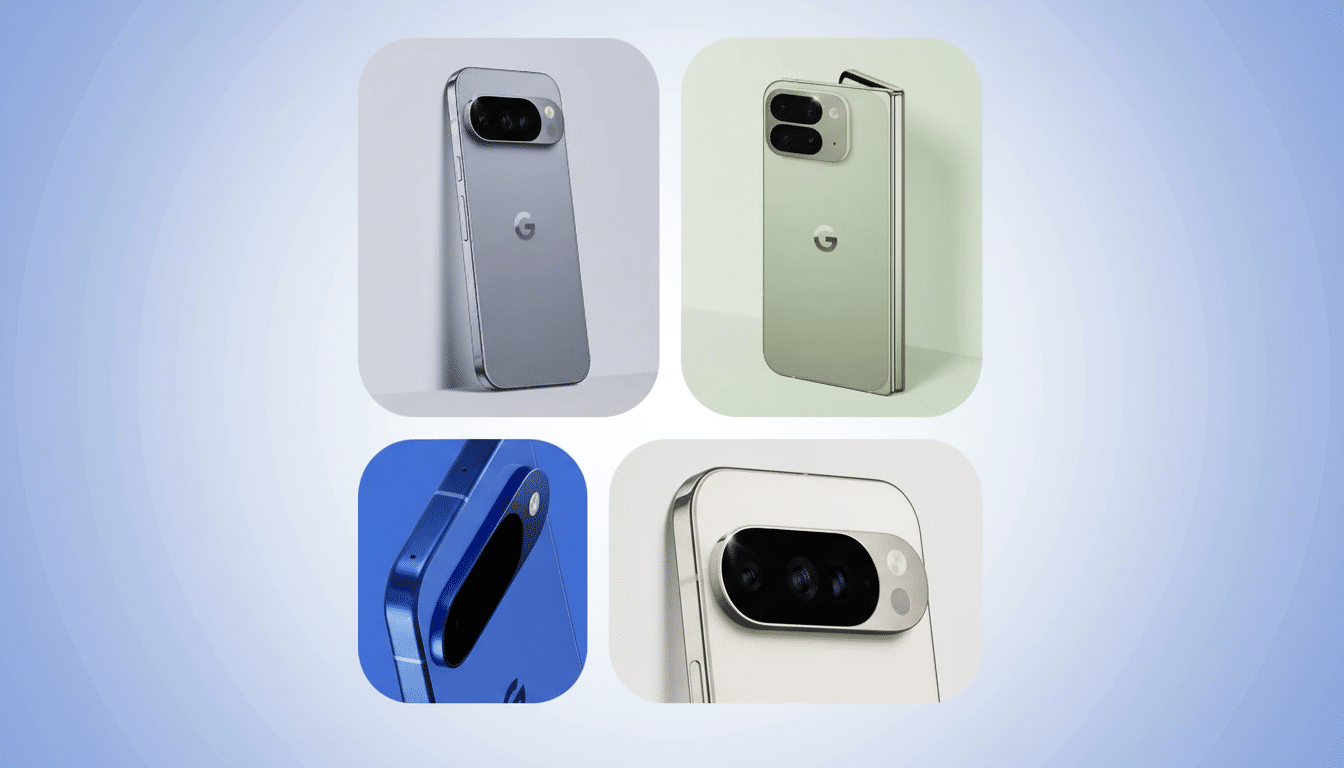
On paper it appears to be a simple lineup: The Pixel 10, Pixel 10 Pro, and curved‑screen Pixel 10 Pro Fold each support up to 15W via Qi2 while the mighty pixel of Pixels — the large‑screen Inline model — is able to push that to either 20W or, if you get the option with more beefy cooling, all the way out there at 25W. Those figures line up with or surpass the 15W standard that many Android users have languished under since the original Qi 1 Extended Power Profile (EPP) days. The caveat is these speeds only apply to certified Qi2 hardware.
- What the Pixel 10 wireless charging specs promise
- The skinny on how the Pixel 10 handles older chargers
- Why Qi1 pads still dominate everyday public and home use
- How rival phones manage legacy wireless charging better
- Why this is happening with the Pixel 10 and Qi2 charging
- What Google can do—and what Pixel 10 owners can try
- Bottom line: real-world charging falls far short of Qi2
That philosophy stands in contrast to rivals who still deliver their advertised rates on legacy pads. Samsung phones, for instance, have consistently provided 15W on Qi EPP since the Galaxy S10 in 2019, and variants like the Galaxy S23 Ultra still reliably achieve that performance with a wide variety of third-party chargers.
The skinny on how the Pixel 10 handles older chargers
Testing indicates the Pixel 10 series cuts speeds on non‑Qi2 accessories to levels well below competitors. With regular Qi 1 EPP and older‑style MagSafe‑like pucks, that sometimes falls back to a glacial 5 watts (or occasionally even down to 3 watts) — or drops the connection entirely. One real‑world case: a Pixel 10 Pro took around eight hours to charge from 27% to full when placed on a standard bedside pad — as long as the session didn’t cut out halfway through.
That’s a steep decline from the Pixel 9 generation, which supported up to 12W on compatible EPP chargers. If you’ve shaped your home or office around high‑quality Qi pads, then Pixel owners may find the new Pixels transforming their pads into little more than decorative phone stands if those pads aren’t explicitly “Qi2 certified.”
Why Qi1 pads still dominate everyday public and home use
The Wireless Power Consortium enshrined Qi2 in 2023, and accessory makers such as Belkin and Anker have released compatible hardware. But the broader ecosystem is molasses in January. Public spaces — airports, cafes, hotels, and quick‑service restaurants — mostly depend on embedded Qi 1 pads that were installed years ago. Despite some of these impressive numbers, many table‑embedded chargers in large chains here in the UK were deployed by companies like Aircharge, and they’re not ready for Qi2 today.
Cars are a more difficult problem yet. Charging in cars is also Qi 1 EPP‑based, with a target of around 5–15W — a common range for factory wireless pads in cars from the likes of Toyota, BMW, Ford, and Volkswagen. Hardware validation is something that automakers test over long product cycles, and Qi2 modules just aren’t in use everywhere yet. If a Pixel 10 sips at a mere 3–5W — or regularly drops the connection — it can’t compete with nav and streaming music on your morning commute, leaving wireless charging pretty much useless in most cars.
How rival phones manage legacy wireless charging better
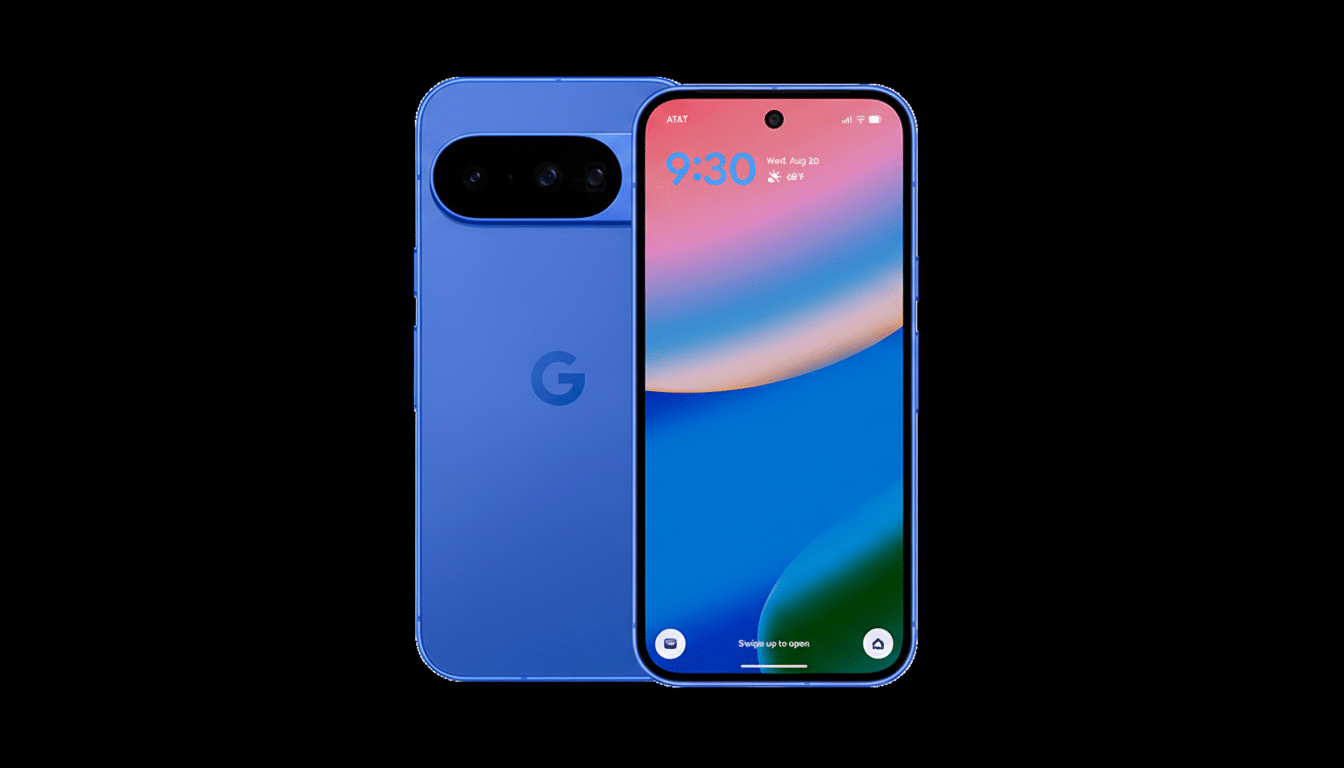
The comparison isn’t flattering. Recent Samsung flagships consistently settle on 15W over standard EPP pads from any mainstream brand, and they have been doing it for several generations. Apple’s method also demonstrates the benefit of strong fallback: though they save full speed for MagSafe, or Qi2, iPhones continue to connect with older Qi accessories at rates that are acceptable. Meanwhile, the Pixel 10’s full-on pivot to Qi2 without a dependable EPP safety net leaves owners in a lurch when sitting on top of the granddaddy of installed bases for legacy chargers.
Why this is happening with the Pixel 10 and Qi2 charging
Qi2 throws in magnetic alignment and a completely reworked power profile for greater efficiency and better heat management — practical improvements, all. The Pixels seem to bond high wattage to a full Qi2 handshake, then kill or starve on legacy protocols (probably for thermal reasons and battery lifespan). But the trade‑off is severe. According to the Wireless Power Consortium, there will be a gradual ramp‑up for Qi2 until 2025, and while that happens, strict EPP thresholds represent a daily usability tax on owners.
What Google can do—and what Pixel 10 owners can try
The solution doesn’t have to mean losing out on all of Qi2’s benefits. A firmware version allowing stable 10–12W EPP on approved pads — in conjunction with more transparent support documentation regarding accessories — would restore baseline utility without forgoing thermal safety. It would also help bridge the divide to have broader certification partnerships with groups like the Wireless Power Consortium and major charger brands.
Meanwhile, Pixel 10 owners may want to pack Qi2‑certified pads for home and work, a magnetic Qi2 car mount powered by their trusty 12V USB‑C adapter, and a USB‑C cable before traveling. Wired USB‑PD is still the fastest and most reliable, until the world of wireless sorts itself out.
Bottom line: real-world charging falls far short of Qi2
The Pixel 10 line raises the bar on paper, but in actual use, this is an example of wireless charging tripping over where to plug the thing in — old pads, cars, and public spaces.
Short of Google making the fallback experience better in the future, Qi2 compatibility feels like less of an upgrade, and more like a gratuitous feature most people didn’t want.
