


A new reader poll taken after a widely shared smartphone fire incident shows most users know the right first steps when a handset bursts into flames. More than 1,200 respondents weighed in, and the results suggest a reassuring level of preparedness for a scenario that is still rare but undeniably dangerous.
What the Survey Reveals About Smartphone Fire Response
Two practical instincts dominated the responses. Roughly 35% said they would smother the blaze, while a similar 35% would immediately evacuate the area. Both reactions reflect core fire-safety principles: deprive a small fire of oxygen if you can do so safely, and prioritize getting yourself and others out of harm’s way.
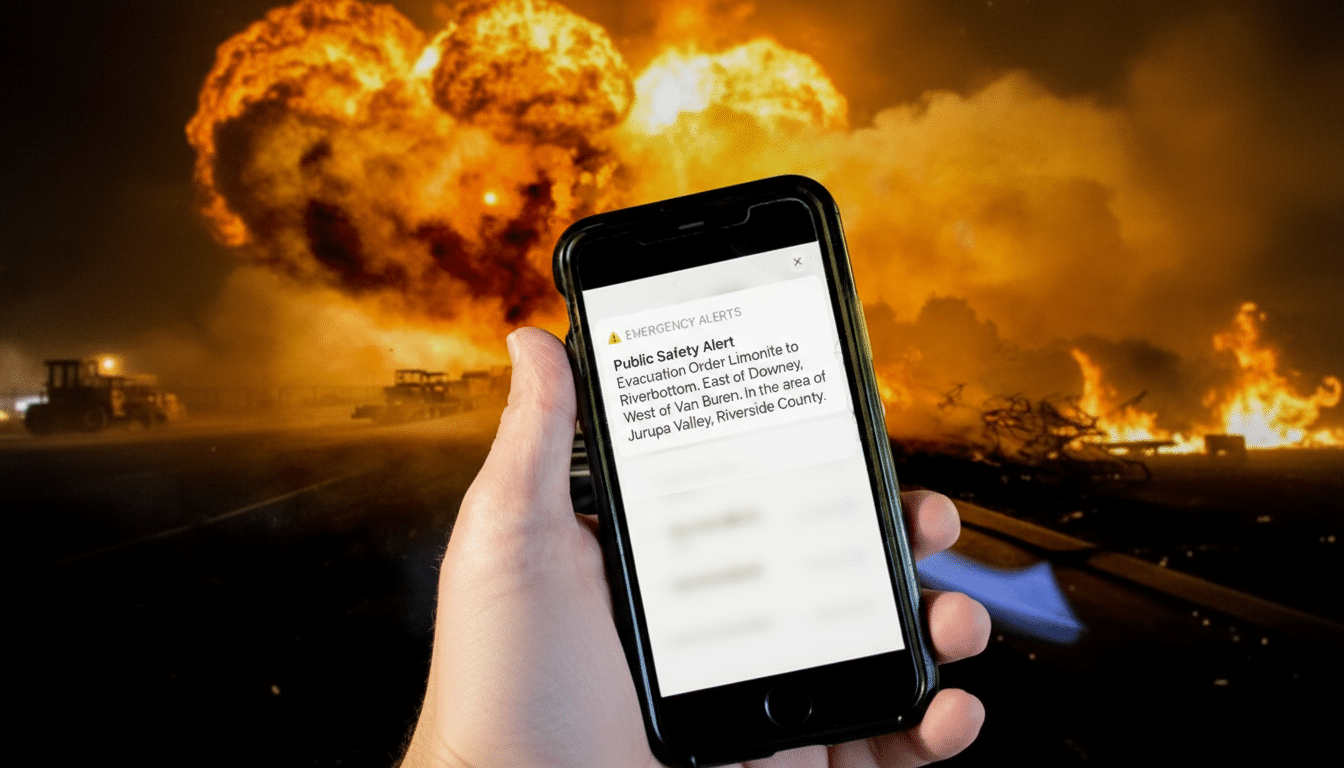
Only a small share would reach for a faucet. Fewer than 7% said they would try spraying water directly on a burning phone. A more effective twist on that idea—if it’s safe to approach—is knocking the device into a tub or sink already filled with water to cool it rapidly and contain smoke.
About 10% would call emergency services straight away, a prudent move for anything more than a minor flare-up. Meanwhile, roughly 13% admitted they might freeze under pressure, a candid reminder that planning your response before an emergency matters.
What Safety Experts Advise During Lithium-Ion Phone Fires
Fire officials and safety organizations offer clear guidance for lithium-ion battery incidents. The National Fire Protection Association notes that quickly creating distance is step one—move people and pets away and call 911 if flames persist or heavy smoke is present. If the fire is small and reachable, covering the device with a nonflammable lid, fire blanket, or a layer of sand can help smother flames and contain off-gassing.
Contrary to old myths, water can be useful with lithium-ion batteries because cooling is critical; these are not lithium-metal fires. The U.S. Fire Administration and several municipal fire departments emphasize that copious water can cool the pack and limit reignition. Dry chemical extinguishers can knock down visible flames, but cooling the cells is often what prevents a second flare. If you cannot safely access the device, shut doors, evacuate, and let professionals handle it.
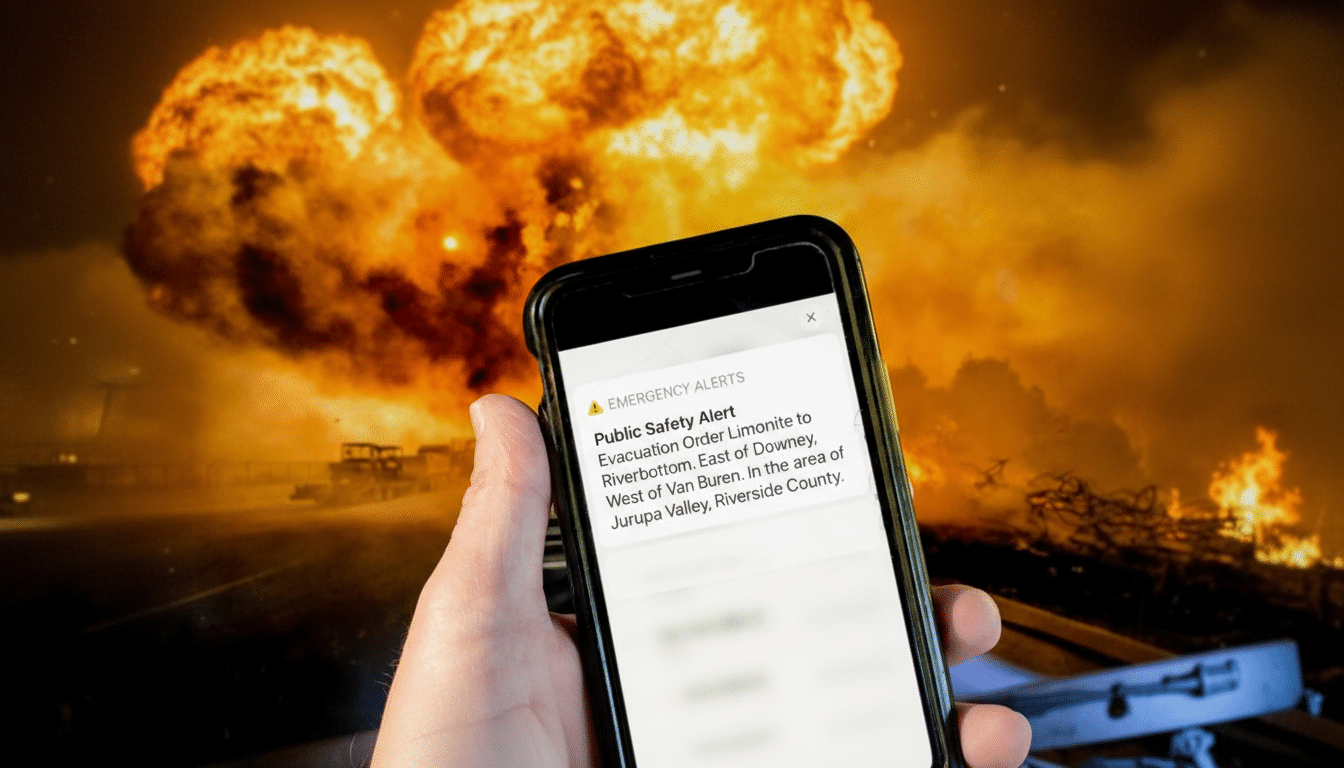
One more rule that experts stress: do not pick up a hissing, swelling, or flaming phone. Venting cells can erupt without warning. If it’s safe to do so, isolate the device on a noncombustible surface away from curtains, bedding, and chargers.
Why Phones Ignite and How Lithium-Ion Batteries Fail
Most smartphone fires stem from thermal runaway inside the lithium-ion battery, where a failing cell heats uncontrollably and triggers neighboring cells. Triggers include physical damage, manufacturing defects, exposure to high heat, or charging with substandard accessories. Standards bodies like UL Solutions and IEEE have strengthened testing regimes over the years, and recalls overseen by the Consumer Product Safety Commission demonstrate that problematic batches do get pulled from the market. Even so, the combination of dense energy and daily wear means a small but real risk remains.
After the Flames Are Out: What to Do With a Damaged Phone
Once a phone stops smoking, resist the urge to inspect it up close. Keep it isolated, allow ample time to cool, and treat it as hazardous. Contact the manufacturer for guidance and do not attempt to recharge or reboot the device. Local waste authorities often direct consumers to e-waste facilities equipped to handle damaged lithium-ion batteries. If the incident caused property damage or injuries, document everything for your insurer and file a report with the CPSC to help track defects.
Prevention Still Wins: Everyday Steps to Reduce Phone Fire Risk
The best outcome is avoiding a fire altogether. Use certified chargers and cables, avoid covering a charging phone with pillows or blankets, and keep devices out of hot cars and direct sun. Do not ignore warning signs such as swelling, a chemical smell, or unusual heat while idle. Replace damaged batteries or accessories promptly, and store power banks and spare devices in cool, ventilated areas. On airplanes, follow crew instructions and keep phones out of checked luggage, a policy informed by years of incident data compiled by aviation safety authorities.
The survey’s takeaway is encouraging: most users have the right instincts. If a phone does ignite, step back, alert others, call for help when in doubt, and only intervene up close if you can do it quickly and safely. Devices are replaceable. You are not.
