


Philips Hue is introducing a smarter way to create sophisticated lighting moods with technology called SpatialAware, which maps your space and automates the color and brightness for all compatible lights. The concept is straightforward yet potent: choose a foreground, scan your lights, and then use the app to create scenes inspired by nature that don’t feel cobbled so much as cohesive.
How SpatialAware Maps Rooms and Orchestrates Lighting
By employing your phone’s camera, SpatialAware establishes where your fixtures are and how they are oriented toward the walls, furniture, and each other. Knowing where every bulb, strip, or lamp is located in a space, the Hue app can apply gradients, highlights, and shadow play—simply subject your photos to this effect as if they were light sources.
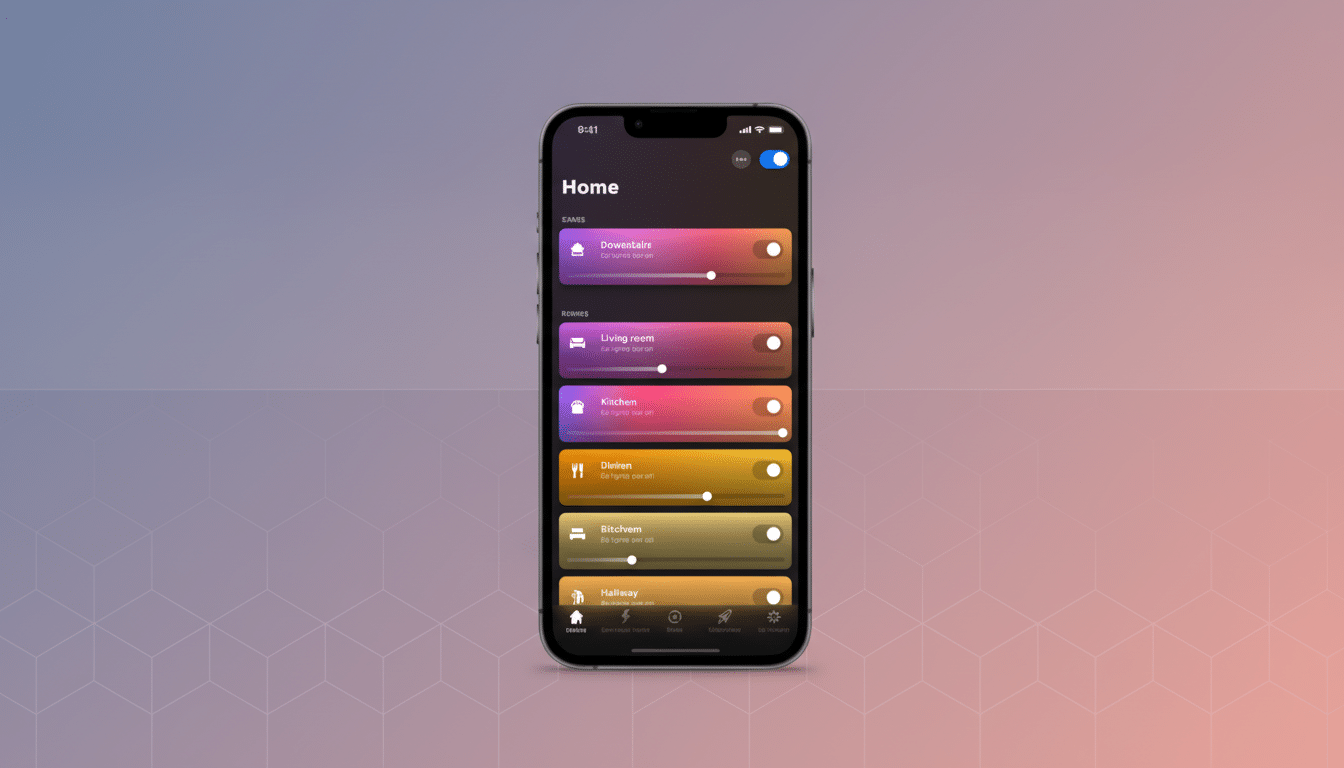
Expect a short calibration pass. As hands-on reports note, you’ll likely capture each light from multiple angles to give the app enough data to triangulate its true position. It requires patience—move the camera around the room carefully; standard smartphone scans may take longer and deliver iffy results.
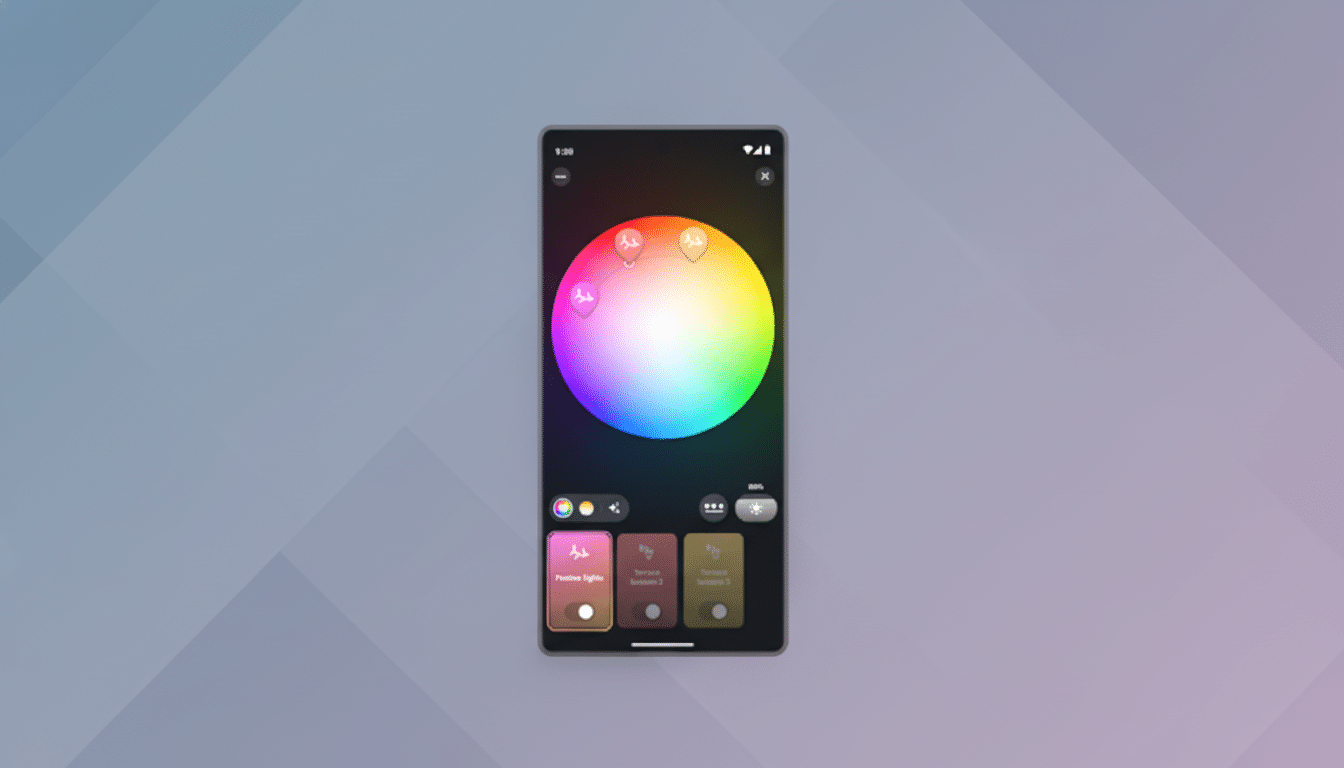
Once mapped, SpatialAware can add dynamic scenes—like the dawn on one side of the room or a gradient sunset settling along one wall, even a lake-inspired palette that diffuses soft blues and greens across strips, lamps, and bulbs. All those lights are adjusted for brightness and hue each time to generate a single, combined composition instead of a collection of unrelated color picks.
Why It Matters for Smart Lighting Setups and Scenes
Multi-light configurations are the domain where smart lighting excels, but also where many users throw in the towel. A typical living room might have six recessed bulbs, a floor lamp, an over-the-mantel light strip, and a table lamp. In the absence of spatial context, setting up a convincing sunset or ambient movie scene requires changing zones and brightness levels one device at a time. SpatialAware removes that grunt work.
And this approach also represents where the category is going. The Connectivity Standards Alliance, for instance, maintains a list of thousands of Matter-certified devices across the smart home, but more hardware can also mean more potential confusion. By harnessing computer vision to comprehend what rooms look like, lighting platforms can go from basic device control to intent-based experiences—“make this room feel like golden hour”—with the tap of a button.
Ecosystem Updates and Apple Home Support for Hue Devices
On the security front, Signify—the company that owns Philips Hue—is expanding compatibility there as well. This extends to the wired Hue Secure camera, with the addition of Apple Home support for its video doorbell and contact sensors that will allow for direct live streaming and notifications on Apple devices like Apple TV. At home, this closes a major loop of lighting, presence, and perimeter monitoring for households invested in Apple’s ecosystem.
On the infrastructure side, there appears to be a path for moving devices away from older Bridge servers to newer Bridge Pro servers. This is the kind of thing that’s helpful in pro installations where you need to run more devices while pushing for house-wide system reliability and where there are greater performance concerns around coordinating many lights in larger, high-end homes.
Hue is also embracing natural-language control. A new AI helper accessible via the refreshed Google Home app allows users to create multi-step automations by commanding devices in plain English. These routines are not limited to paid subscribers, so it’s easier to experiment with fancy triggers and schedules that link lighting to presence or time of day—or media playback.
Setup Tips and Early Takeaways for Accurate SpatialAware Maps
For the cleanest map, use logical light names and maintain clear sight lines during the scan.
- Move slowly; pause at each light and change angles to help the app capture positions with more certainty.
- If you have a LiDAR-enabled device, use it.
- Avoid mirrors and glass surfaces when capturing photos—reflections can confuse the model.
After you’ve trained the map generator, explore the curated scene gallery to see how gradients flow through the exact layout of your 3D space. Then fiddle with individual lights cautiously—sometimes a few small tweaks can look more realistic than making an all-over color change. Save multiple room “profiles” if you regularly move furniture or adjust portable lamps when it’s time to screen movies or entertain.
What Owners Should Expect from SpatialAware and Hue Bridge Pro
SpatialAware is tailored to Hue Bridge Pro users and will work with a variety of Hue-compatible bulbs, lamps, and light strips (though gradient products will obviously gain the most from spatial mapping). Scenes can be sourced from the Signify gallery or custom-made collections, with settings inspired by natural transitions such as a sunrise and mountain-based palettes.
And more broadly, the Hue roadmap suggests a more integrated home: cameras that play well with Apple Home; smoother paths to newer hubs; and AI-based automations that take the fuss out of what and when we expect light to shine. It’s a practical transition from managing individual devices to creating atmospheres—exactly what smart lighting offered from the beginning and, with SpatialAware, is beginning to fulfill with about 2 percent of the work.
