


An unusually named personal safety tool is surging up the App Store. The iPhone app widely known as Are You Dead? — marketed as Demumu in the US and Sileme in China — has cracked the top 10 paid rankings in the US and reached the No. 1 paid spot in China, reflecting a wave of interest in simple “check-in” tech for people who live alone.
The premise is stark but straightforward: tap a green ghost button every two days. Miss the window, and on day three the app emails your chosen contact asking them to check on you. The service, which recently switched from free to a $0.99 one-time purchase in the US, frames itself as a lightweight safety net rather than a full-blown monitoring system.

The developer positions the app as a reassurance tool not only for older adults, but also for solo workers, students living away from home, digital nomads, and anyone whose routines regularly keep them out of close contact with friends or family.
How the Dead Man’s Switch Works in This Safety App
At its core, Demumu functions as a dead man’s switch — a concept borrowed from industrial safety and adapted for everyday life. You set up an emergency contact, start the two-day countdown, and confirm you’re okay by pressing the in-app button before time expires. If you don’t respond, the app automatically dispatches an email to your contact with a nudge to reach out.
The appeal is its low friction. There’s no need to constantly share your location or manage complex settings. It’s a simple routine: acknowledge you’re fine on a schedule you can remember. For people who prize privacy but still want a safety backstop, that minimalism is the main feature.
Why This Minimalist Safety App Is Catching On Now
Demographics and daily life help explain the momentum. According to the U.S. Census Bureau, roughly 29% of households are occupied by a single person. Safety advocates also point to elevated risks for those living alone, particularly older adults. The CDC estimates that about 1 in 4 people aged 65+ experience a fall each year, and falls remain a leading cause of injury-related deaths in that age group. An effortless check-in can’t prevent an accident, but it can shorten the time it takes for someone to notice.
There’s also a cultural shift: more people work remotely, travel solo, and keep irregular hours. For gig workers, hikers, night-shift staff, or students off campus, a passive alert that activates only when you don’t respond can feel more respectful of autonomy than continuous tracking.
Name Changes, Regional Branding, and Lookalike Apps
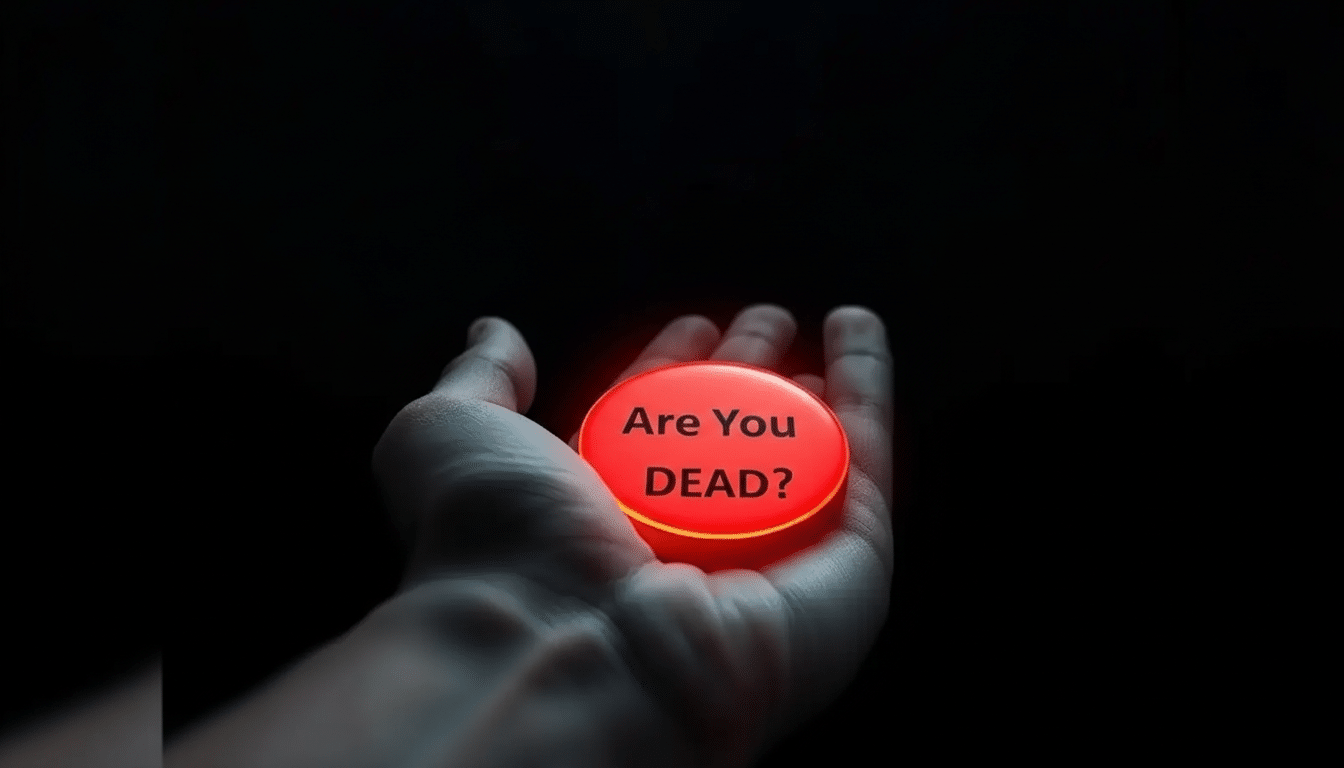
The app’s branding varies by market. In the US and many regions outside China it appears as Demumu; in China it uses the name Sileme, which translates to “are you dead.” That’s fueled some confusion, particularly because a separate app with the Sileme name from a different developer functions more like a mood tracker. There’s also a similarly themed app called Am I Dead Yet? that offers check-in behavior akin to Demumu. Shoppers should verify the developer name and feature set before downloading.
How It Compares on iOS and Android Alternatives Today
Apple has its own iOS Check In feature within Messages, which lets users share their status and expected arrival times with trusted contacts. On Android, Google’s Personal Safety app includes Safety Check, a timer-based confirmation that can notify contacts if you don’t respond. For those who prefer automated welfare checks, third-party options on Android include Life360 and Snug Safety.
Demumu currently doesn’t offer an Android version, which partly explains why the App Store charts are a focal point. Its distinctive draw is the single-purpose design: a recurring manual confirmation that triggers an email if you miss it.
Privacy and Practical Considerations for Email Alerts
Because the alert is delivered by email, users should choose contacts who check their inbox regularly and understand what to do if a message arrives. It’s wise to coordinate a simple plan — for example, a quick call or text first, followed by a doorstep check or a request for a welfare check from local authorities if you remain unreachable.
Experts in emergency preparedness often stress that check-in tools complement, not replace, 911 and medical alert systems. The benefit here is early detection: if a routine check-in fails, someone gets notified. That can be the difference between a minor scare and a prolonged crisis.
With its blend of blunt branding and practical utility, Demumu shows how a small, well-timed nudge can resonate at scale. Its rise into the iPhone charts suggests many users don’t want constant surveillance — just a simple safeguard that speaks up when they can’t.
