


Peloton’s new Cross Training Series is more than a hardware refresh. The Plus models add an AI camera to the mix, watching your form while counting reps and tailoring your plan on the fly. After a few weeks of using the upgraded Tread+ and Bike+, the system’s on-screen coaching seemed less like novelty tech and more like an actual training partner.
What the AI camera really does during Peloton workouts
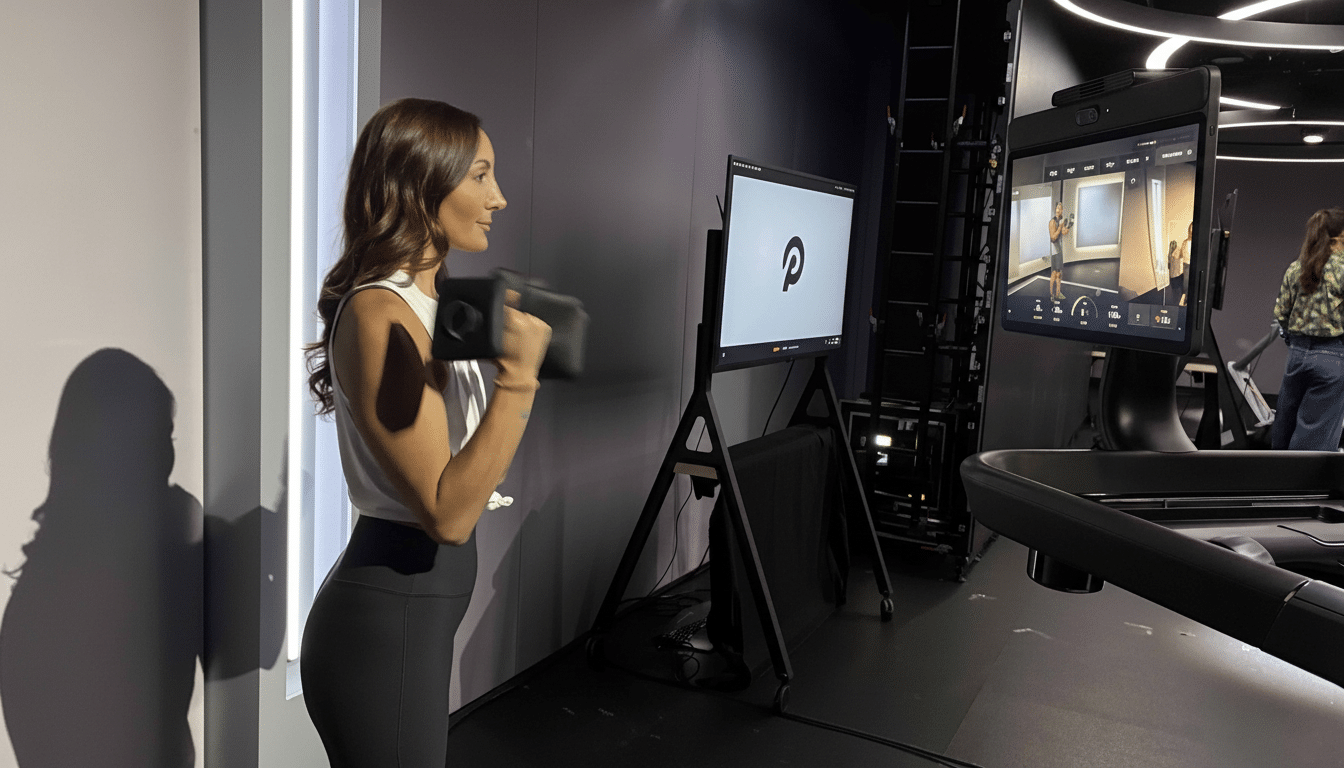
Peloton IQ, the company’s computer vision layer, uses skeletal keypoint detection to “see” where joints are supposed to be and monitor movement quality. In practice, the camera sets up a live video window of you alongside the class and then overlays cues when your mechanics wander. During dumbbell squats, it signaled a caved-in chest; in overhead presses, it pestered me to stop using momentum. Rep counting remained consistent for curls, squats, and presses, and it recorded clean sets even during pauses between reps.
- What the AI camera really does during Peloton workouts
- Better coaching grounded in real metrics that adapt training
- Self-paced intensity meets the studio vibe at home
- Hardware changes that matter across Peloton’s lineup
- Pricing and membership details for the Cross Training Series
- How it stacks up against Tempo, Tonal and other rivals
- Where the AI camera works and where it doesn’t
- Early verdict on Peloton’s AI camera and Plus upgrades
Out of the gate, the system tracks reps for a dozen key moves and provides form feedback in over 50 exercises, with plans to grow and even include yoga. The latency is so low that the feedback comes within the course of a single rep, not after the set — which could be crucial if you’re trying to correct depth or posture on the fly.
Better coaching grounded in real metrics that adapt training
The camera doesn’t read weight class on dumbbells; however, Peloton is practical about it: you set your own light, medium, and heavy weights at setup and voice log changes as you go. Say “Hey Peloton, moving to 15 pounds,” and it’s logged in your training without interrupting the flow. Breeze through two times the prescribed reps, go heavier; labor while working with a tempo and it takes intensity down a notch. It’s all about advancement, not penance.
Peloton IQ also constructs a week’s plan based on goals like strength building or weight loss, accounting for past output and optional data from Apple Health, Garmin, or Fitbit. It flags sessions as too difficult, too easy, or just right before they happen — a small but significant stride toward the auto-regulation that elite coaches bake into programs. That coincides with the advice of groups such as the World Health Organization, which suggests that doing moderate-to-vigorous cardio along with at least two strength-training sessions a week is best for health.
Self-paced intensity meets the studio vibe at home
One feature that stood out: On Plus machines, strength classes can be run self-paced. The Strength+ dynamic workout generator, embedded in the hardware, lets you trade moves, incorporate accessories, and personalize workouts without sacrificing the arc of the class. The camera’s rep detection holds you accountable even if you’re too slow or take a long break, a feature that has been requested by lifters who swear by classes but need that autonomy.
Hardware changes that matter across Peloton’s lineup
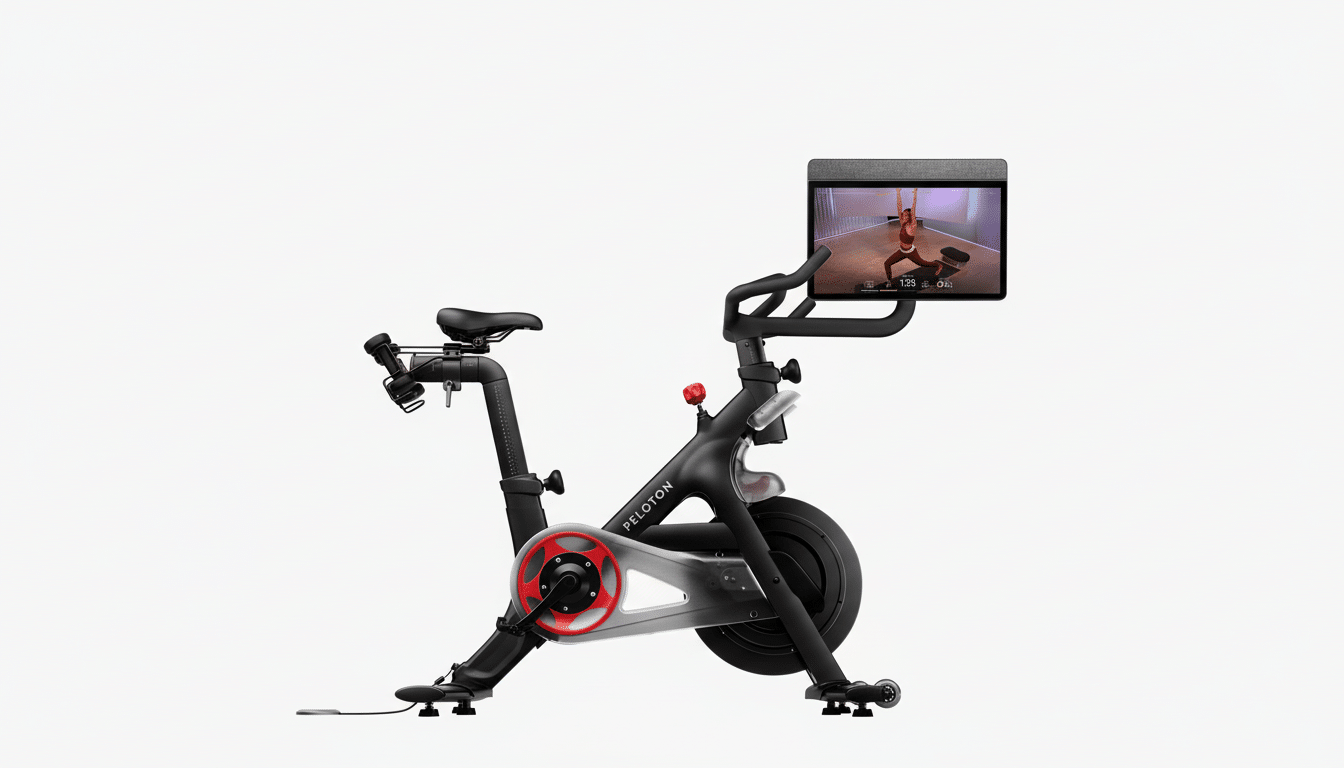
The Cross Training Series covers all of the flagship products, including Bike and Bike+, Tread, Tread+, and Row+, with the AI camera limited to Plus models. What you’ll get: All models now have a swivel screen so you can step off the deck to lift, then pivot back for intervals. On the Plus side, there’s a microphone for voice control, an integrated fan with physical controls, and audio tuned with Sonos. That includes the first Peloton subwoofer to be built into a machine. The difference is immediately noticeable when class playlists drop low-end-heavy tracks.
Smaller quality-of-life touches also deserve credit: a softer Bike saddle, a phone holder that will fit both vertically and horizontally on the Bike+, and faster access to on-screen controls.
These are the sorts of tweaks that reduce friction and enhance adherence — the unsung variables that aren’t counted when it comes to whether a training plan will stick.
Pricing and membership details for the Cross Training Series
Its lineup is extensive: Bike at $1,695; Bike+ at $2,695; Tread at $3,295; Tread+ at $6,695; and Row+ at $3,495. The All-Access Membership ($49.99 per month) is necessary for all machines. If you already own a Peloton and only lift occasionally, the AI camera alone might not be enough to motivate an upgrade; the most substantive leap is for members who mix workouts between cardio and strength and are looking for form-aware coaching all on one screen.
How it stacks up against Tempo, Tonal and other rivals
Tempo made skeletal tracking a breakout at-home strength-training feature, and Tonal’s cable-based system calculates force output without using free weights. Peloton’s bet is different: bring reliable form analysis to traditional dumbbells and connect them to the most famous cardio classes in the world. That brings it in line with broader industry trends. Year after year, the American College of Sports Medicine’s annual survey of global fitness trends finds strength training and functional fitness (exercises that train your muscles to help you do everyday activities safely and efficiently) among its top 10; connected platforms are vying to make coaching more adaptive and measurable.
Where the AI camera works and where it doesn’t
Form cues are most beneficial when lifting with more than one segment of your body, where safety and technique can go awry quickly: squats, rows, presses, hinging patterns. It’s less game-changing on isolation moves or bodyweight drills to which you are already adapted. And because it can’t register load, true strength periodization still relies on your honesty about weights and effort. That said, the real-time visual feedback, precise rep counting, and personalized habit adjustments are a meaningful improvement over static video classes.
Early verdict on Peloton’s AI camera and Plus upgrades
What Peloton’s Cross Training Series understands — and the big idea behind it — is this: cardio plus strength, coached by a computer that reacts to how you move when you aren’t paying attention.
The built-in camera seems less like a gimmick and more like a form of the coach’s eye you can switch on at home. For hybrid athletes as well as data-curious newcomers, that’s enough progress to make a difference — and the reason you should pay attention to this update (for the Plus models at least).
