


The latest wearable from Pebble is not a fitness tracker or sleep monitor. The Index 01 is a smart ring based on one simple concept: record short voice notes with it and transform these into actionable items on your phone. It is available to preorder at a launch price, heralding a new kind of utility-first gadget that prioritizes immediacy and privacy over always-on sensing.
What It Is And Why It’s Not The Same As What Came Before
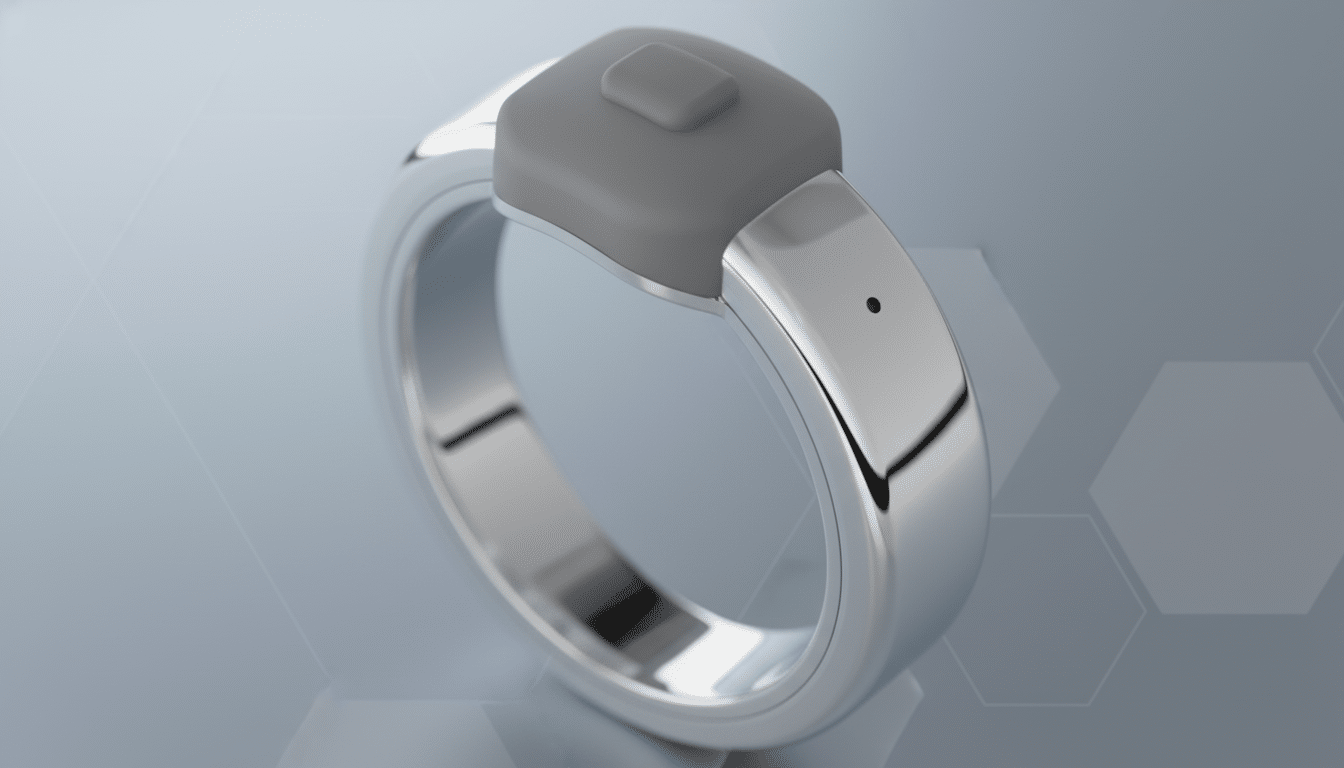
Unlike most of the wellness metric-chasing rings, the Index 01 is a hard-baked voice recorder and controller. Press and hold the ring’s silicone button, talk into it and let go; your audio is then sent to Pebble’s companion app where, by default, it will be processed locally. That’s the point, that tight, single-purpose workflow — no step counting, no sleep staging, just rapid note capture and quick commands.
- What It Is And Why It’s Not The Same As What Came Before
- How the Index 01 Ring Works for Voice Notes and Control
- Hardware Design, Build Quality, and Battery Strategy Explained
- Privacy Protections, Local Processing, and Data Handling
- Price, Preorder Availability, Colors, and Sizing Options
- Where the Index 01 Voice Ring Fits in the Wearable Market
It is a bet that the wearables market will be less about health-focused rings selling for somewhere between $200 and $400, and more, at least in its early consumer incarnation, about utility and cheap — I mean, supposed affordability. The preorder price is much lower than rivals, at about 70% cheaper than some voice-focused competition.
How the Index 01 Ring Works for Voice Notes and Control
The Index 01 connects to your phone and the accompanying app, which processes recordings, classifying their intent. Say “remind me to call Sam,” and local language models in the app understand what you’re asking, making a reminder or to-do for it. For each input, your phone acknowledges what was done with a notification pop-up, minimizing ambiguity and building trust in the loop.
Functionality isn’t limited to notes. The single button is programmable to do things like control music playback or start Home Assistant routines. Pebble is also planning a remote camera shutter, which could come in handy for group photos or tripod shots without having to fumble with the screen.
Hardware Design, Build Quality, and Battery Strategy Explained
The ring is made of stainless steel, and it has a discreet silicone button that’s difficult to accidentally press, yet easy to locate by feel. The motion required for press-and-hold recording feels intentional — it only records sound while your finger is held down. That design decision also serves to minimize the “hot mic” problem that follows always-listening gadgets.
Onboard storage holds about five minutes of audio as a rolling buffer, which the app immediately offloads to your phone.
The Pebble ethos seems to be that the hardware is a capture conduit, with the phone supplying the brain and archive. It makes the ring simple, light and dependable.

It’s worth mentioning that the Index 01 is non-rechargeable. Rather, it employs a sealed, non-user-replaceable battery configured to last multiple years of service under normal use (several short recordings per day). When the battery dies, Pebble encourages people to return the device for recycling. It’s a trade-off, exchanging charging convenience for less maintenance and potential for better sealing, and it virtually eliminates the risk of electrolyte leakage, though it is passively shipped with an activation path at end-of-life.
Privacy Protections, Local Processing, and Data Handling
Pebble notes that the ring isn’t eavesdropping all of the time. It only records when the button is pressed, and it is not meant for long, continuous recording. Processing and storage take place on the phone by default, though they can rely on an optional cloud service for backups and improved speech-to-text.
That opt-in model also dovetails with a broader shift to processing AI on the device for sensitive matters. It cuts down on latency, keeps privacy in place and halts recurring costs. Yet users should be aware of local recording laws; in two-party consent areas, you would need explicit permission to record conversations, even brief ones.
Price, Preorder Availability, Colors, and Sizing Options
The Index 01 is available for preorder now at a special price of $75, after which it will sell for an expected MSRP of $99 following the early-bird window. It’s available in black, gold and silver finishes and whole sizes 6 through 13. To help with fit, Pebble will offer a traditional sizing kit and share 3D printer files so that you can try out printable mockups before pulling the trigger.
Preorder pricing places the Index 01 in impulse-buy territory, even for a device that doesn’t quite pass as a luxury accessory value-wise — which could widen its appeal to more than just tech enthusiasts and also attract students, field workers, creators and anyone who wants to capture thoughts without whipping out their phone.
Where the Index 01 Voice Ring Fits in the Wearable Market
Voice-first wearables are taking off. Sandbar’s Stream Ring, recently announced, also aims for rapid audio capture but is priced at $249 and works with a rechargeable cradle. The lower cost of the Pebble makes such an interaction more palatable and intuitive as a way to try out new habits without needing to pull your phone out of your pocket in order to record a thought or trigger.
If we’ve only really had smart rings focused on passive body measurements until now, the Index 01 flips that. It’s a productivity tool for your brain — a tiny push-to-talk companion that turns your brilliant thoughts into actionable items, with on-device AI doing the work of categorizing, managing and filling in the details. That may be a more useful metric for many people to follow.
