


I’ve worn Oura for years because it measures what matters without demanding attention. Two recent changes have turned that quiet utility into something I actively enjoy: new ceramic Ring 4 finishes that look like real jewelry and true multi-device support that lets me swap rings without breaking my data stream. Together, they remove friction and add personality—two things most health wearables desperately need.
How Ceramic Design Changes Daily Wear and Style
Oura has always pitched its ring as jewelry, but the brushed titanium look still read “gadget” to many people. The ceramic variants finally shift first impressions. Color runs through the material rather than sitting on top as a coating, so the finish survives abrasion that would scuff metal. It looks smoother, reflects light more like a polished accessory, and blends into wardrobes instead of sitting on the finger like a status LED.
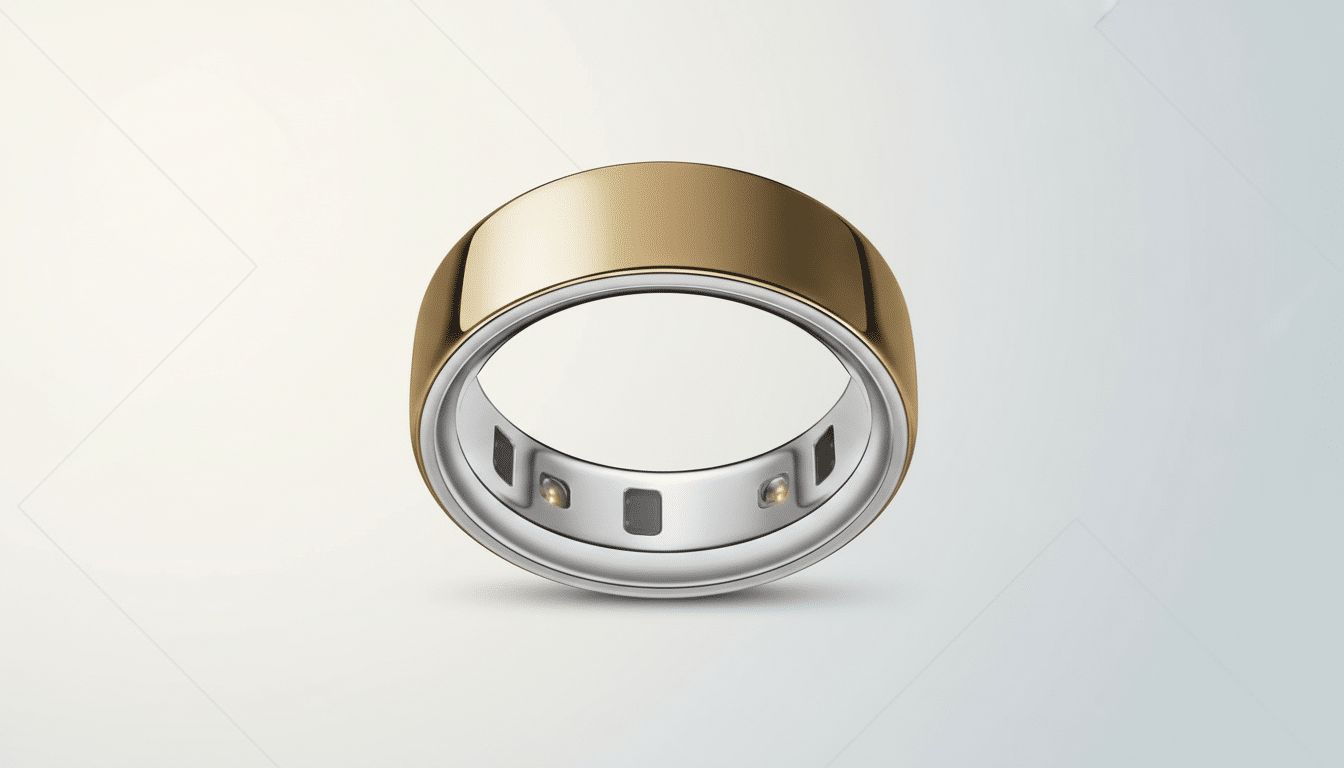
Material science backs up the visual difference. Zirconia ceramics commonly used in wearables can deliver Vickers hardness values many times higher than coated titanium, which helps resist micro-scratches from barbells, backpacks, and countertops. In plain English, the ring keeps looking new. After weeks of gym sessions and travel, my ceramic band still appears box-fresh in a way my metal rings never did.
The palette feels deliberate, not like a “tech colorway.” Midnight reads modern and understated, Tide brings a pastel green that plays well with muted fits, while Petal and Cloud add softer tones. Over the holidays, more than one person noticed the ring as an accessory first and a tracker second. That’s a small but telling win for a device that claims to be jewelry-forward.
Comfort hasn’t taken a hit. Weight feels comparable to the metal versions, the inner contour remains smooth, and ceramic’s thermal stability means it never feels icy on a cold morning. For anyone dealing with finger swelling after workouts or travel, having a second ring in a slightly different size can also make the difference between wearing your data and leaving it on a charger.
Seamless Multi-Device Support Elevates Utility
Until now, one account meant one ring. If you wanted a fresh look or a backup for charging days, you had to unpair and re-pair, risking gaps in your record. Multi-device support fixes that. The app now recognizes more than one ring on the same account and switches in the background, preserving the continuous stream of sleep, heart rate variability, and readiness data Oura is known for.
In practice, this removes the mental overhead of ownership. I keep one ring charging while I wear the other, so there’s less downtime and fewer missed nights—the single biggest killer of trend insights. Remember, Oura’s Recovery and Readiness metrics rely on long runs of clean, overnight HRV and temperature data. The American Academy of Sleep Medicine notes that consumer sleep tech is most useful when its outputs are trend-based; uninterrupted wear makes those trends more trustworthy.
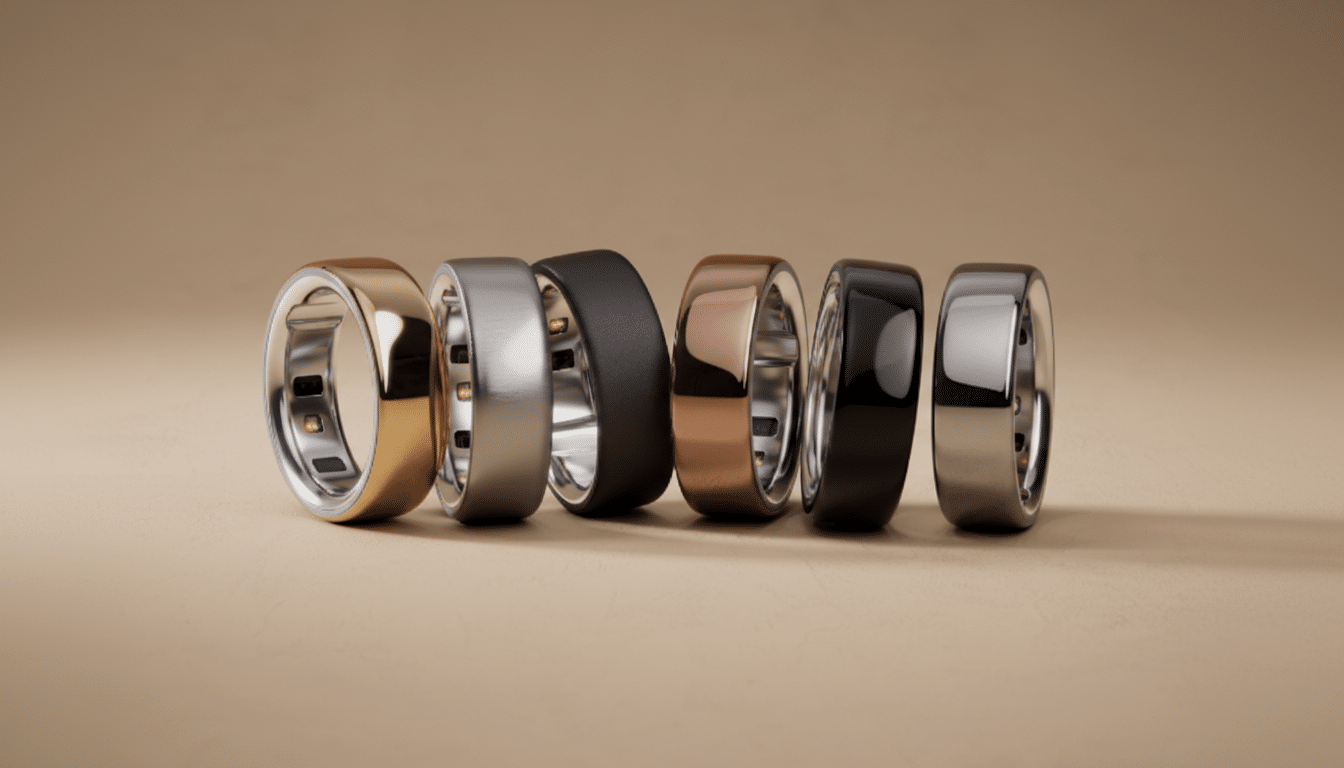
This also matters for athletes and data-driven users. Oura’s readiness scores have been used by professional organizations—from teams in the NBA bubble to elite endurance coaches—to correlate load with recovery. Fewer gaps mean better baselines and fewer false alarms when stress, illness, or travel start nudging physiology in the wrong direction.
Why These Two Updates Work Together So Well
Design without device flexibility still locks a user into one look. Flexibility without compelling design gives people no reason to own more than a single, utilitarian ring. The magic here is the pairing: ceramic makes style swaps desirable, and multi-device support makes them effortless. It’s the same playbook that helped watches go mainstream—first bands, then bodies—and it’s overdue in the ring category.
Context matters. Some competitors still treat “multi-device” as a checkbox rather than a seamless experience; historically, several platforms, including Fitbit, have limited concurrent use or made switching clunky. Apple supports multiple watches on one account with auto-switching, but rings have lagged behind. Oura’s approach brings ring ownership closer to that smartwatch-level fluidity.
The Trade-Offs And What Comes Next for Oura
None of this is free. Ceramic variants command a premium, and there’s an ongoing membership fee for insights. But durability and better wear compliance can reduce the “upgrade churn” common to wearables. Analysts at IDC reported a rebound in overall wearables shipments recently, and multiple firms expect growth to shift toward non-wrist form factors as smart rings from big brands enter the market. A platform that feels both personal and flexible is well-positioned for that shift.
There are still wish-list items. Smaller sizes would help users with very petite hands. A gentler exterior profile would make long keyboard sessions friendlier. And while ceramics resist abrasion, they can be brittle under certain types of impact—more guidance on real-world durability would be welcome.
For now, though, the day-to-day difference is clear. The ceramic finish finally fulfills the jewelry promise, and multi-device support clears the path to wear the ring more often with fewer compromises. That combination has made Oura easier to live with and, frankly, more fun to wear—exactly what a health tracker should strive for.
