


The new Year in Review from Oura is up, and it’s a sobering view of stress on its worldwide user base. The most notable among them is that users in the United States reported the highest average daily stress — an average of 121.2 minutes per day. Though the recap simply looks at activity and sleep, the stress trend is the news — particularly in how Oura defines and measures it.
US Leads in Daily Stress Minutes, According to Oura
Americans had the highest total of stress minutes, with 144, followed closely by those in the Netherlands at 120 and Norway at 118. Oura’s number is an aggregate of “minutes of physiological stress” throughout the day and sheds light on times when the body is being stressed. It’s one useful snapshot that, at scale, provides a population-level signal that something is off — whether because of lifestyle pressure or recovery deficits or simply more time spent in high-intensity states.
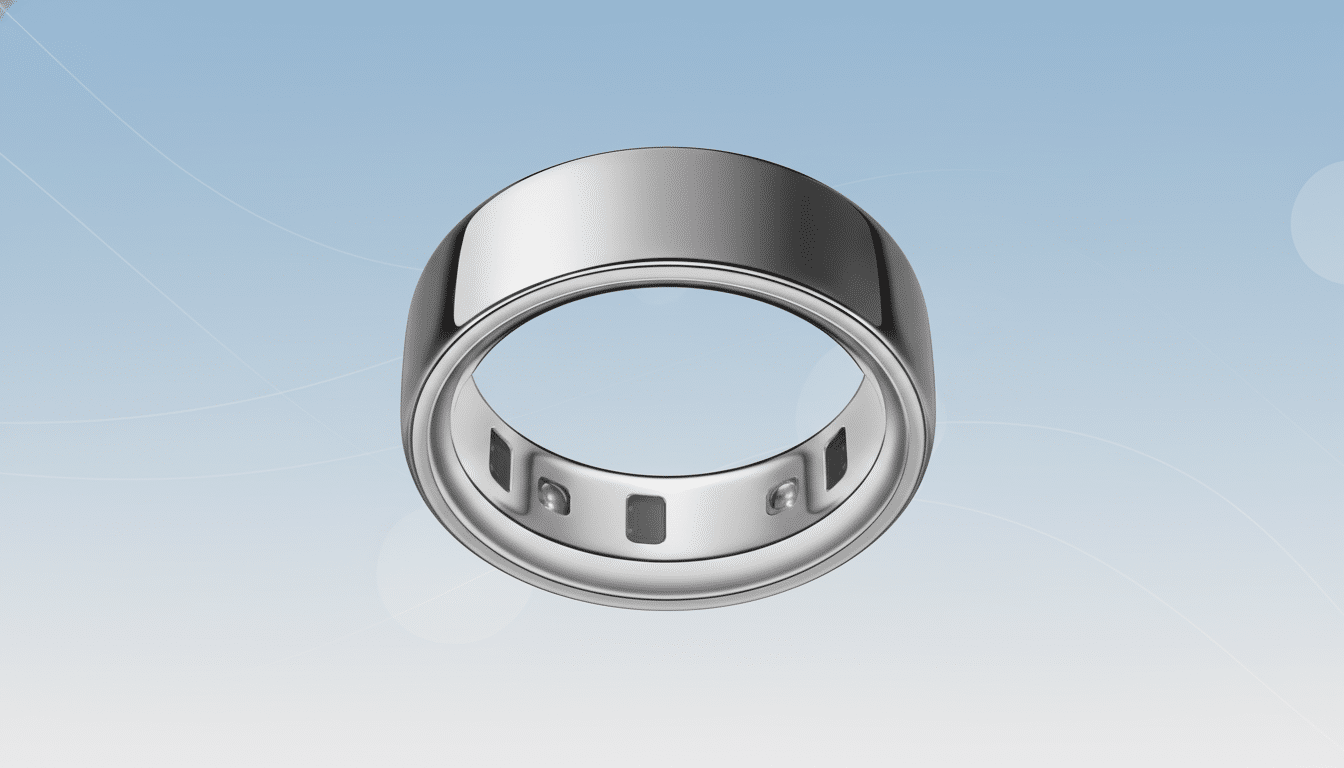
Interpreting this data requires nuance. More than 100 minutes of detected strain doesn’t translate automatically into more anxiety or worry; it means users’ bodies are spending a substantial portion of their days in an upset physiological mode. That difference is significant when comparing countries and making conclusions about well-being.
How Oura Tracks Stress And Why It Has Significant Ramifications
Oura’s stress insights are built out of biometric signals such as heart rate variability, resting heart rate and shifts in body temperature together with movement patterns. This is physiological stress, not a direct read on mood. These signals can be generated by psychological stress, but also by a tough workout, illness, being in a sleep debt, having meals too late or consuming alcohol or caffeine.
The American Psychological Association has identified widespread fears among Americans, such as isolation and fear for the future — factors that can affect physiology. Still, Oura’s framing is careful: A spike in stress minutes may be the result of a punishing interval run or a week of late nights, as is work burnout. That’s why the metric is best used with context, read in tandem, for instance, with Readiness, Sleep, and activity patterns so you can try to understand what might be pushing the body.
It also bears mentioning that aggregated wearable data can be subject to sampling bias. Wearables have special appeal to Oura users, who are often more health-conscious segments in higher-adoption markets. Even so, the steadiness of the US signal — leading in stress minutes every day — squares with wider findings from organizations such as Gallup, which has found consistently high global stress levels in recent years.
Activity And Sleep Trackers Tell A Different Story
The Year in Review covers more than stress. Irish users recorded the most steps, averaging 8,924 per day, followed by Spain at 8,914 and Italy at 8,907. New Zealand also boasted the highest average score on sleep posture at 80 out of 100 when it comes to recovery, closely followed by Australia (79.4), while Denmark and Austria both attained a comfortable 79.
These leaders argue that activity and sleep behaviors don’t fit neatly onto stress minutes. A lot of steps and high sleep scores can coexist with high physiological stress, even when training intensity goes through the roof or recovery gets compressed. The takeaway: Stress is one of several pillars, and improving it often involves tuning the interplay between training load, sleep consistency and daytime habits.
What Users Can Do With This Information Today
Users with at least 60 days of data will find a personalized Year in Review card in the app’s Today tab. The recap is more than a highlight reel; it’s an invitation to spot patterns. Find the correlations between stress minutes and late workouts, timing of caffeine or alcohol, travel or irregular bedtimes. If stress minutes cluster on certain weekdays, calendar demands may be behind the wheel.
Small tweaks like this can significantly shave down daily stress time: moving intense sessions to an earlier hour; a day or three of low-intensity recovery training; keeping sleep patterns constant; and implementing Rest Mode following extreme workouts or sickness. There are also breathing exercises and quick wind-down routines in the app’s Explore content that can nudge HRV in the right direction, especially if you do them regularly.
At a population level, the new information reinforces an overarching message: If you’re American and past infancy, there are good odds that you spend significant parts of each day in a physiologically stressed state. Whether it’s workload, lifestyle or recovery gaps — the solution is quantifiable. That same ring flagging the issue also provides an experimental way to gauge change and slowly chip away at a return to balance.
