


Oura is going beyond sleep and step counts with Health Panels, a new blood testing feature that allows ring wearers to schedule clinical lab work and see results directly within the Oura app. It’s an ambitious stab at the next frontier of wearables: objective biomarkers, which promise to connect daily behaviors with changes in such metrics as A1C, lipids and liver enzymes.
A Lab Panel Integrated Directly in Your Wellness App
Health Panels includes 50 biomarkers across cardiometabolic, kidney and liver health with results processed by Quest Diagnostics that synchronize with the Oura app. After reserving a draw at a Quest facility, users get lab-verified results along with trending views and plain-language descriptions. Oura’s AI-powered Advisor then takes that data into consideration alongside the ring wearer’s sleep, activity and recovery patterns, giving specific recommendations — think fiber and leafy greens for LDL support or modifications to exercise intensity according to fasting glucose and A1C trajectory.
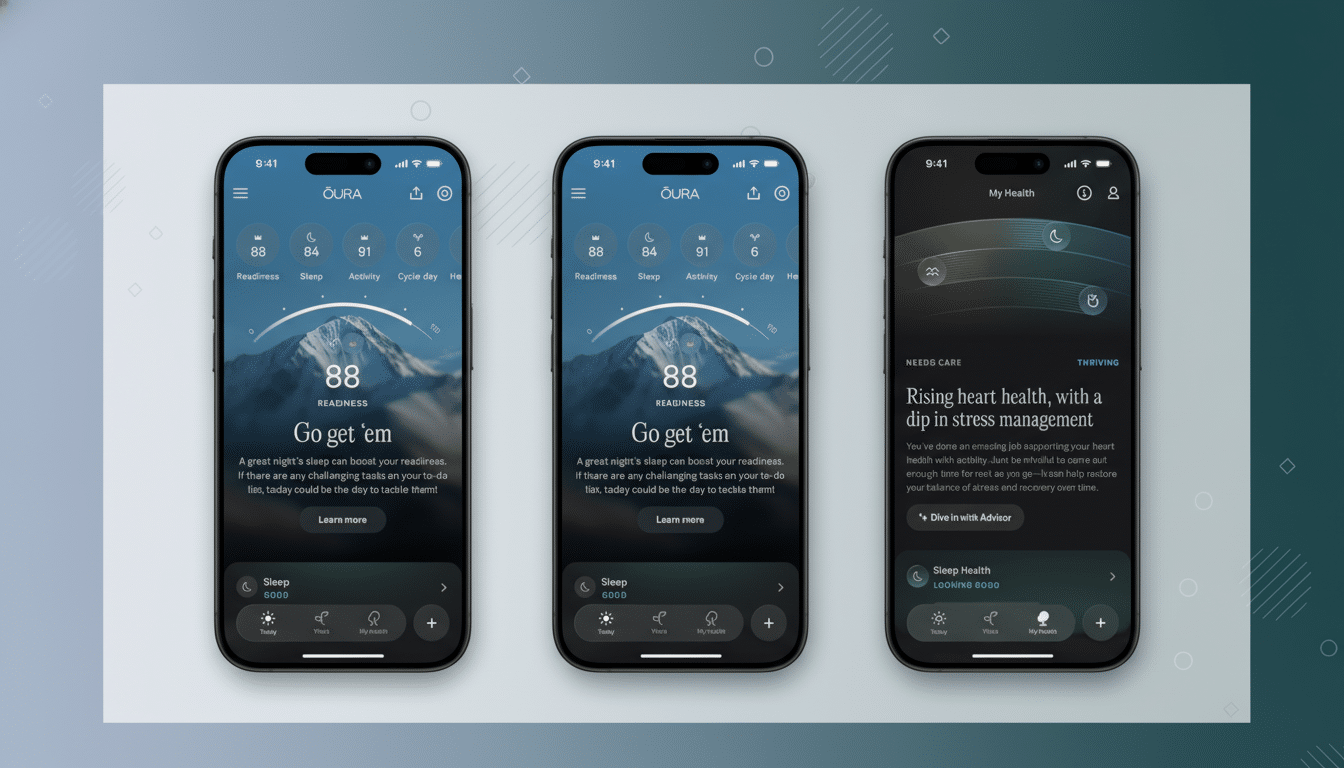
The experience is meant to help demystify the clinical terms. And when a result is confusing, users can query the Advisor for more detailed explanations or situation-specific recommendations. It’s a push to translate the numbers — which traditionally lived on a stationary PDF — into actions that day-to-day users can follow.
Why Wearables Want Your Biometrics and Lab Results
Wearables earned their street cred through trends and scores, but blood work offers the concrete endpoints many users — and clinicians — care about. For example, A1C measures average glucose over approximately three months and the American Diabetes Association uses it to gauge diabetes risk. At the same time, LDL cholesterol continues to be a central lever in the prevention of heart disease singled out by the American Heart Association. The connective tissue that wellness trackers have always lacked is the ability to tie those lab results to insights about sleep, activity and nutrition.
Competitors have noticed the same gap. Whoop sells a recurring-draw add-on plan, while Ultrahuman’s annual program tests roughly 100 biomarkers twice a year. Oura’s model also neatly fits within a maturing ecosystem: its deal with Dexcom, for example, means that certain users can marry continuous glucose trends with ring-produced sleep and activity, while Health Panels serve as deferred clinical anchors to buttress the daily stream.
How Oura Is Pitching the Feature to Ring Users
Oura is marketing Health Panels as proactive health management, not some gimmicky add-on. The company’s messaging focuses on coaching, rather than diagnostics: Users track their labs over time, test regularly and modify behavior with Advisor support. That cadence is important — lipid profiles and A1C don’t budge overnight, and a three- to six-month time frame is a reasonable horizon for determining whether sleep regularity, dietary shifts or training changes are having an effect.

The ability comes alongside a new Oura Ring 4 Ceramic finish, but the strategic narrative is the software. And as Apple, Samsung and a widening wave of smart rings compete for wrists and fingers, health platforms that connect habit loops to credible endpoints may prove outsized. The value proposition here is straightforward: If a wearable can help you move the needle on a hard metric like LDL or A1C, then the subscription begins to feel less like a monthly cost and more like an investment.
Clinical and Privacy Realities for Oura Health Panels
Health Panels employs clinical-grade testing from Quest Diagnostics, which is regulated under federal laboratory standards. Yet it is not a medical service or diagnostic engine. Oura’s Advisor is happy to walk you through biomarkers and habits, but if you feel something new in your bones, you’ll need a doctor who knows what medications are in your history, how those meds might affect particular readings or scores, and where such results fit into the larger context of your health risk. That matters in how to interpret borderline or abnormal results.
Availability is limited to people ages 18 to 65, but it does not include people living in Arizona, Hawaii, New Jersey, New York and Rhode Island because of state-specific regulations. On data management, they should understand that consumer health apps are generally regulated by consumer privacy laws and not HIPAA — though lab providers like Quest are covered entities for the tests they run. As the Federal Trade Commission advised in guidance for health apps, examining consent settings and data-sharing policies beforehand is crucial prior to linking sensitive information across services.
The Bottom Line for Users Considering Health Panels
For users of the Oura Ring who are already working to optimize sleep and recovery, Health Panels provides a clinical checkpoint that is able to validate progress, surface risks and motivate change. It ups the ante for the category: recurring, lab-quality biomarkers tied to daily coaching are a more responsible template than serving raw data devoid of context.
There are caveats — costs, access bottlenecks and the potential downside of chasing numbers without medical guidance among them — but the trend is clear. Wearable gadgets aren’t just counting what you did yesterday; increasingly they are being designed to change the makeup of your blood tomorrow.
