


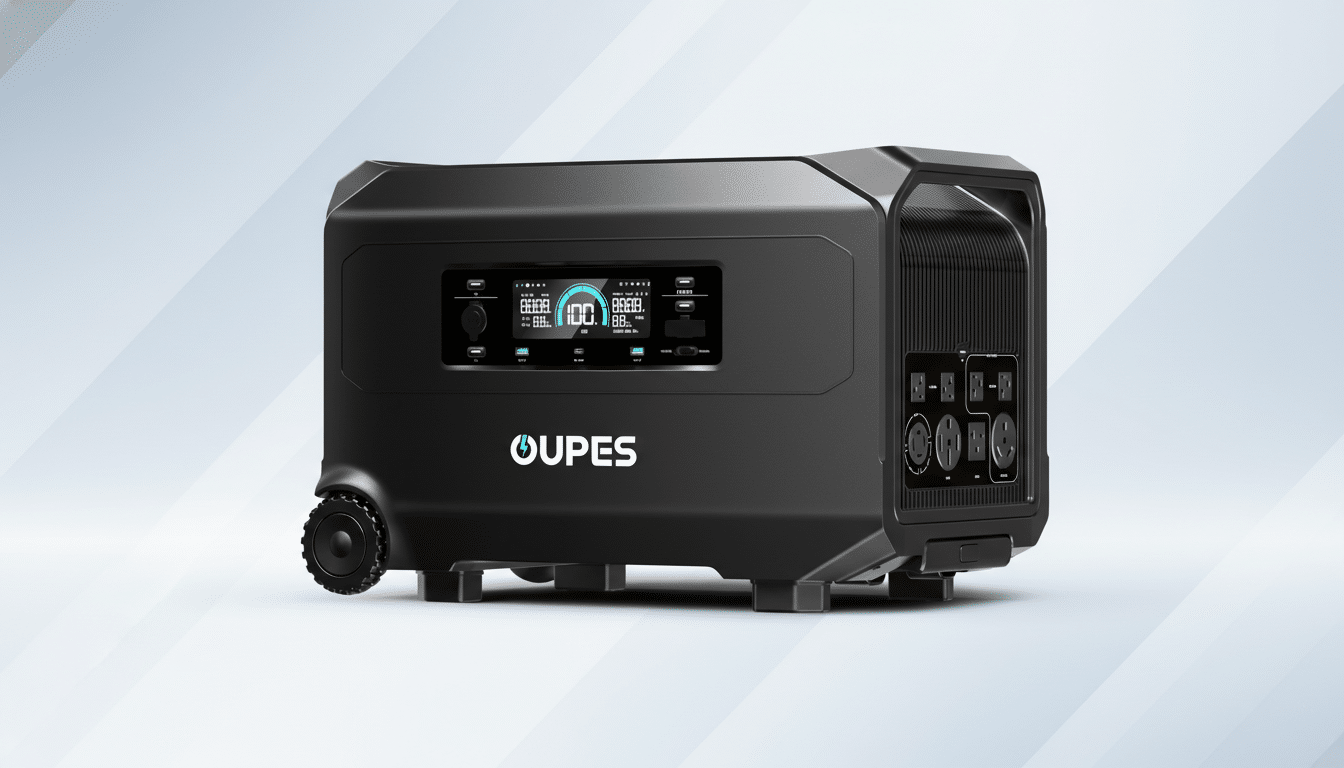
The Oupes Guardian 6000 portable power station just dropped to its lowest price yet, coming in at $1,698.99, down from $2,199. That 23% cut brings a large-capacity, split-phase backup solution into a far more attainable bracket for homeowners, RVers, and anyone planning for grid hiccups.
Why This Record-Low Guardian 6000 Price Matters Now
At 4,608Wh, the Guardian 6000 delivers serious backup power, and this price works out to roughly $0.37 per Wh—well below many flagship rivals. For context, comparable high-output systems often land closer to $0.60–$0.80 per Wh when not discounted. That kind of value is rare at this capacity and feature set.
- Why This Record-Low Guardian 6000 Price Matters Now
- Key Specs and Capabilities Homeowners Should Know
- Real-World Runtime Examples for Common Home Appliances
- How the Guardian 6000 Stacks Up Against Comparable Rivals
- Who Should Buy the Guardian 6000 at This Record-Low Price
- Bottom Line: Is the Guardian 6000 Deal Worth It Now?
The timing is relevant. U.S. Energy Information Administration reliability data shows Americans typically experience about 5–7 hours of power interruptions annually, with weather driving the longest outages. A large LiFePO4 station can bridge those gaps quietly and without the fumes or upkeep of a gas generator, which is why demand spikes after major storms.
Key Specs and Capabilities Homeowners Should Know
The Guardian 6000 centers on a 4,608Wh LiFePO4 battery chemistry known for long cycle life and thermal stability. Oupes rates output at 6,000W with a boost mode up to 7,200W, meaning it can start and run demanding appliances without tripping. Crucially, it supports 120V/240V dual voltage, so compatible 240V loads—well pumps or larger shop tools—are on the table without pairing two units.
Connectivity is practical: 11 total outputs including five AC outlets let you keep a fridge, modem/router, medical devices, and a few work essentials online at once. When it is time to recharge, the unit can go from empty to full in under 90 minutes using fast AC input, minimizing downtime between storms or job-site tasks.
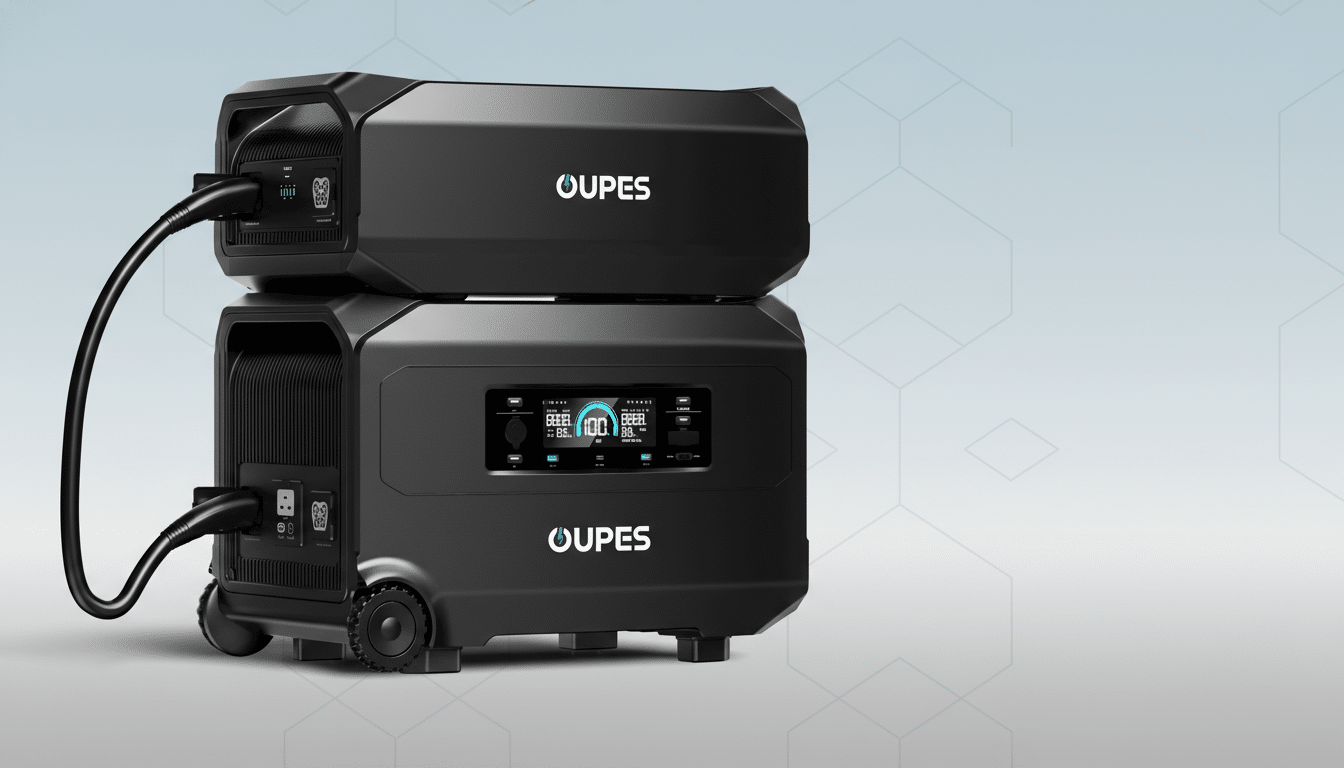
Expansion is another standout. With approved add-on batteries, capacity can scale to a reported 41 kWh—enough, in the right setup, to sustain critical loads for multi-day outages. That kind of headroom is typically found in modular home backup systems costing far more.
Real-World Runtime Examples for Common Home Appliances
Numbers help. A typical modern refrigerator averages around 120–200W over a day; at 4,608Wh, expect roughly 24–30 hours of runtime for the fridge alone, factoring in inverter losses. A CPAP machine at 40W can run for well over 80 hours. A 1,500W space heater is a heavy lift for any battery—think 2–2.5 hours at full blast—so most households prioritize heating via safe alternatives and reserve the station for refrigeration, communications, lighting, and medical needs.
For home integration, many users tie power stations to a transfer switch or dedicated backup circuits. That avoids dangerous backfeeding and ensures critical loads—fridge, lights, outlets for networking—are ready at a moment’s notice. A licensed electrician can confirm compatibility for 240V applications.
How the Guardian 6000 Stacks Up Against Comparable Rivals
In this price class, the Guardian 6000’s combination of split-phase 120/240V output, rapid AC charging, and sub-$0.40/Wh pricing is unusual. Some well-known alternatives require either a second unit for 240V capability or cost significantly more per Wh at similar outputs. LiFePO4 across the segment typically brings 3,000+ cycles to 80% capacity, and this model sits firmly in that long-life cohort while undercutting many peers on upfront cost.
It is also worth noting the practical design trade-offs. Larger stations weigh more and are less grab-and-go than compact units. If you need something strictly for camping lights and phones, this is overkill. For households aiming to cover a refrigerator, sump pump, networking gear, and occasional power-tool use, the extra headroom pays dividends.
Who Should Buy the Guardian 6000 at This Record-Low Price
Homeowners in storm-prone regions, RV travelers running high-draw appliances, and small businesses that need quiet, indoor-safe backup will see the most benefit. If you have 240V essentials—like a deep-well pump—the built-in split-phase support is a compelling differentiator versus many single-voltage competitors.
Before buying, inventory your critical loads, confirm starting wattages, and plan how you will connect the unit safely. Check manufacturer guidance on expansion batteries if you anticipate multi-day outages, and remember that pricing and availability can shift quickly during severe-weather cycles.
Bottom Line: Is the Guardian 6000 Deal Worth It Now?
This is the most aggressive pricing we have seen on the Oupes Guardian 6000, and the value case is strong: hefty 4,608Wh capacity, true 120/240V output, fast recharge, and room to grow. For buyers waiting on a high-output, LiFePO4-based backup without generator hassles, this record-low price clears the bar.
