


Oppo now has multiple tri-fold smartphone prototypes but is not launching them, an Oppo product manager said in a Weibo exchange discussing the devices.
According to the message from Oppo, first relayed by China.cn and shared on Twitter by journalist Dimitar @phonearena (via GSMArena), they are holding back because “this would be what you consider as a waste.” The product manager doesn’t say whether the devices are still being developed or gathering dust in a drawer somewhere.
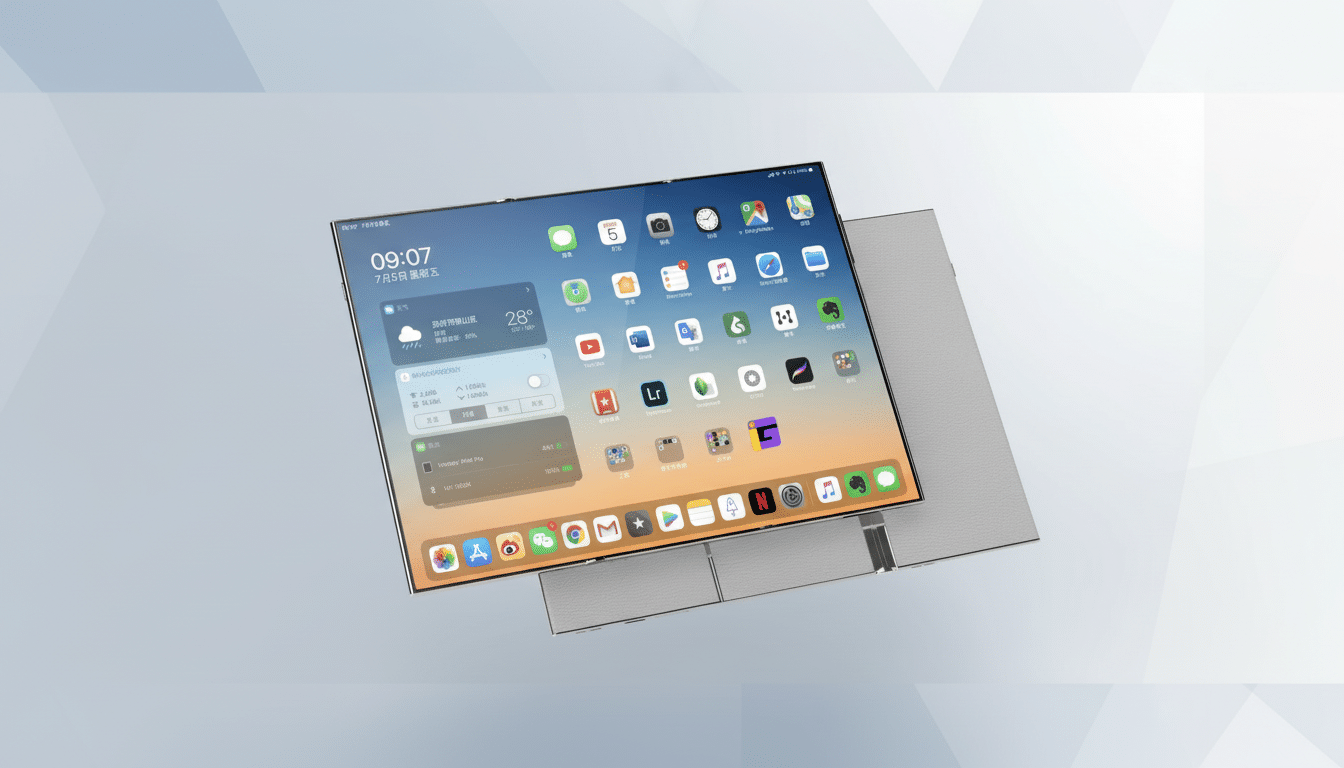
It’s a rare on-the-record confirmation that another heavyweight Android brand has solved the basic engineering for a tri-fold, but isn’t quite ready to ship.
It’s an admission that bolsters what many supply chain watchers have suspected: chips based on the technology are maturing in backrooms, but commercial viability is still a long way away. At a time when rivals are making splashy tri-fold debuts, Oppo’s retreat is a reminder of how challenging it can be not only to create something that’s demonstrable, but durable and cheap — and compelling enough for mass-market consumption.
Why Oppo Hit Pause on Tri-Fold Smartphone Plans
Tri-folds compound every issue of a standard foldable. Instead of a single hinge and one big flexible display, you’re talking about two complicated hinges, three swaths of the display’s substrate material, more moving parts and tighter limitations on battery capacity. That magnifies the risks associated with yield, reliability and weight.
Analysts at DSCC and other research firms have repeatedly pointed to lower panel yields for foldables than slab phones, which in turn raises cost of goods. Throw in a second hinge and another fold radius to have to control, and yields can drop even more. Even if you do hit the durability targets, though, that bill of materials goes up fast with custom hinges, ultra-thin glass, more magnets and reinforced frames.
Pricing is the next hurdle. Early tri-folds are rumored to be north of $2,400, a price that brings the available market down to enthusiasts and early adopters. Counterpoint Research has observed that consumers begin to push back well before reaching that floor, rendering payback on R&D and tooling difficult absent extremely close cost control or subsidies.
Then there’s software. I’ve argued that “large screen” in Android has been improving since taskbars/multi-window/continuity/screen state, but a tri-fold literally requires graceful layout transitions for phone, tablet and ultra-wide canvas states. That takes deeper app optimization from the top developers (and a chore that most developers drag their feet on until a platform has some sort of critical mass).
What The Prototypes Signal About Oppo’s Direction
Oppo’s past work on the compact Find N series hints at foldable ergonomics and hinge design that the company understands. Constructing tri-fold prototypes indicates Oppo was also looking into layouts like Z-style folds and out-in folding designs to find a happy compromise between thickness, crease appearance and panel stress — experiments that often end up contributing to future products even if the first generation never makes it to market.
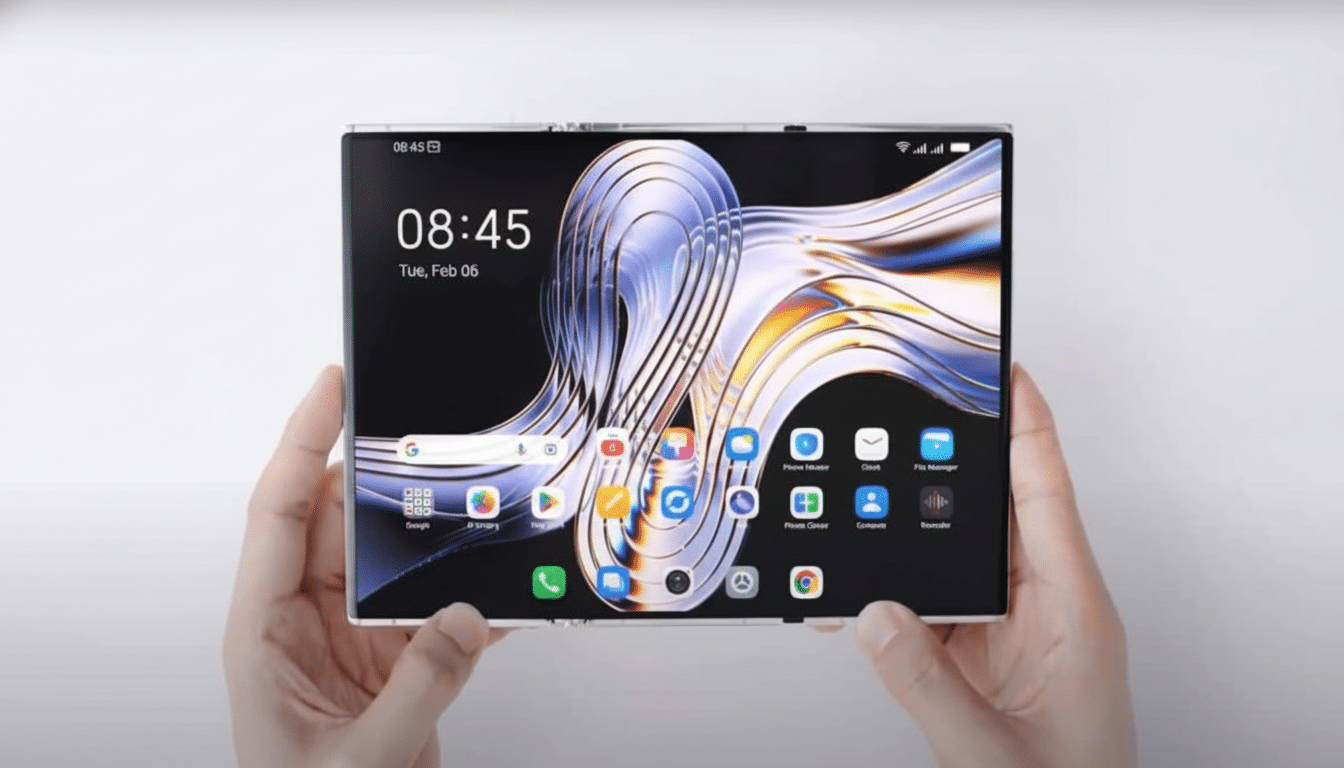
A polished tri-fold might allow for new use cases: phone mode on the go, tablet mode for media and an expanded desktop-like setup for multitasking with several resizable windows. The promise is evident; it’s a matter of aligning hardware, software and cost at the same time.
The Competitive Landscape for Tri-Fold Phones
Huawei has shown off a tri-fold design in China and Samsung is rumored to be working on a Galaxy-branded model for other markets worldwide. Several other Chinese OEMs – including Honor, Xiaomi and Vivo – are toying around with multi-fold ideas. But the hush from most brands when it comes to retail availability is its own tale.
Market data from IDC and Counterpoint place foldables in the mid-teens of millions now annually, with China making up about half of global volume. That is still a niche compared to slab phones. Adding a much more expensive class on top of that, even in that niche — with no mass-market software support — creates real business risk even for companies with strong distribution.
Cost, Weight and Durability Are Still Sticking Points
Potential customers care about three things that tri-folds tend to have a hard time delivering at once: a price they’re comfortable with, a device that’s light and balanced, and assurance of long life. A motherboard that doesn’t fold in the middle can easily exceed 300 g, battery capacities necessarily shrink to maintain an acceptable thickness, and hinge life targets north of 300,000 folds become harder to certify when folding stress is distributed across two mechanisms.
Until panel yields increase, hinge production scales and ultra-thin glass technology advances to boost flex endurance at smaller radii, price points will remain high. It also explains why a brand can have polished prototypes in-house and still defer glamour for patience.
What To Watch Next for Tri-Fold Device Readiness
Three signals that would tell us tri-folds are close to ready for the mainstream:
- Component cost drops driven by yields and volumes
- Lighter folds with battery life that handily surpass even today’s foldable norms
- Widespread app-level optimization for multi-panel continuity and windowing
The Oppo confirmation doesn’t take the wind out of the category — instead, it means that the engineering is there and advancing. “The test is just that the company is waiting for the right blend of economics and experience.” If rivals show that there’s sustained demand at scale, and if the supply chain is cooperative, those drawer-bound prototypes could easily hit the line.
