


Linux gaming’s long campaign to challenge Windows just gained a powerful ally: coordination. A new consortium, the Open Gaming Collective, is bringing some of the most active Linux gaming projects under one roof to share fixes, pool engineering, and push critical components upstream—without trying to mash everything into one monolithic distro.
The stakes are obvious. Windows still accounts for roughly 96% of Steam participants, while Linux hovers near 2% in recent surveys. Yet momentum is real: Valve’s Steam Deck, Proton’s compatibility gains, and a healthier GPU driver stack have shifted perceptions from “hobbyist-only” to “viable for many players.” The Collective’s bet is that a common roadmap can turn that momentum into durable market share.
A Coordinated Push to Align Linux Gaming Projects
Founding members include Bazzite, Asus Linux, ShadowBlip, PikaOS, and Fyra Labs, with ChimeraOS, Nobara, and Playtron listed as strategic partners and contributors. The group’s thesis is simple: stop solving the same problems in parallel. By aligning on core plumbing—kernels, display stacks, input, and game session managers—each project can spend more time polishing its unique experience.
Crucially, the Collective follows an “upstream first” policy. That means code should land in original projects (like the Linux kernel, Mesa, or Gamescope) rather than living in long-running forks. It’s a philosophy that mirrors how big Linux desktop advances—the Wayland transition, HDR groundwork, and Vulkan tooling—moved fastest when changes flowed upstream where the ecosystem could benefit.
The Technical Playbook for Shared Kernels and Tooling
Two early deliverables stand out. First, an OGC Kernel tuned for gaming workloads aims to give member distros a shared, predictable baseline for latency, scheduling, and device support. Second, a downstream fork of Gamescope—the lightweight Wayland compositor used in SteamOS—will broaden hardware compatibility beyond handhelds and a handful of desktop configurations before improvements are proposed upstream.
The ripple effects are already visible. Bazzite says it is adopting InputPlumber (the same input framework used by SteamOS and ChimeraOS) and letting the Steam UI drive critical hardware controls like fan curves and RGB, a move that can simplify support across varied devices. Bazzite also plans to migrate to the OGC Kernel when ready and is evaluating a switch from Lutris to a sleeker launcher called Faugus to streamline multi-store libraries.
These are pragmatic choices. Shared components reduce “it works on my distro” fragmentation, and tighter Gamescope integration matters as Wayland, HDR, and variable refresh support mature. The path from “it launches” to “it feels native” runs through exactly this layer of polish.
Why Linux Has Momentum in Modern PC Gaming Today
Valve’s investment in Proton, DXVK, and VKD3D-Proton has transformed the landscape by translating DirectX calls to Vulkan. Community data from ProtonDB indicates that a large share of the most-played Steam titles now run at Gold or Platinum levels, with headline games like Elden Ring and Cyberpunk 2077 performing admirably on modern Linux setups.
Driver support is stronger, too. AMD’s open-source stack and the Mesa project have delivered frequent performance wins, while Nvidia’s move to open its kernel modules has improved integration even as its users still rely on a proprietary user-space driver. Meanwhile, Gamescope helps standardize fullscreen behavior, latency control, and HDR groundwork across devices—a key factor for consistent experiences on handhelds and desktops alike.
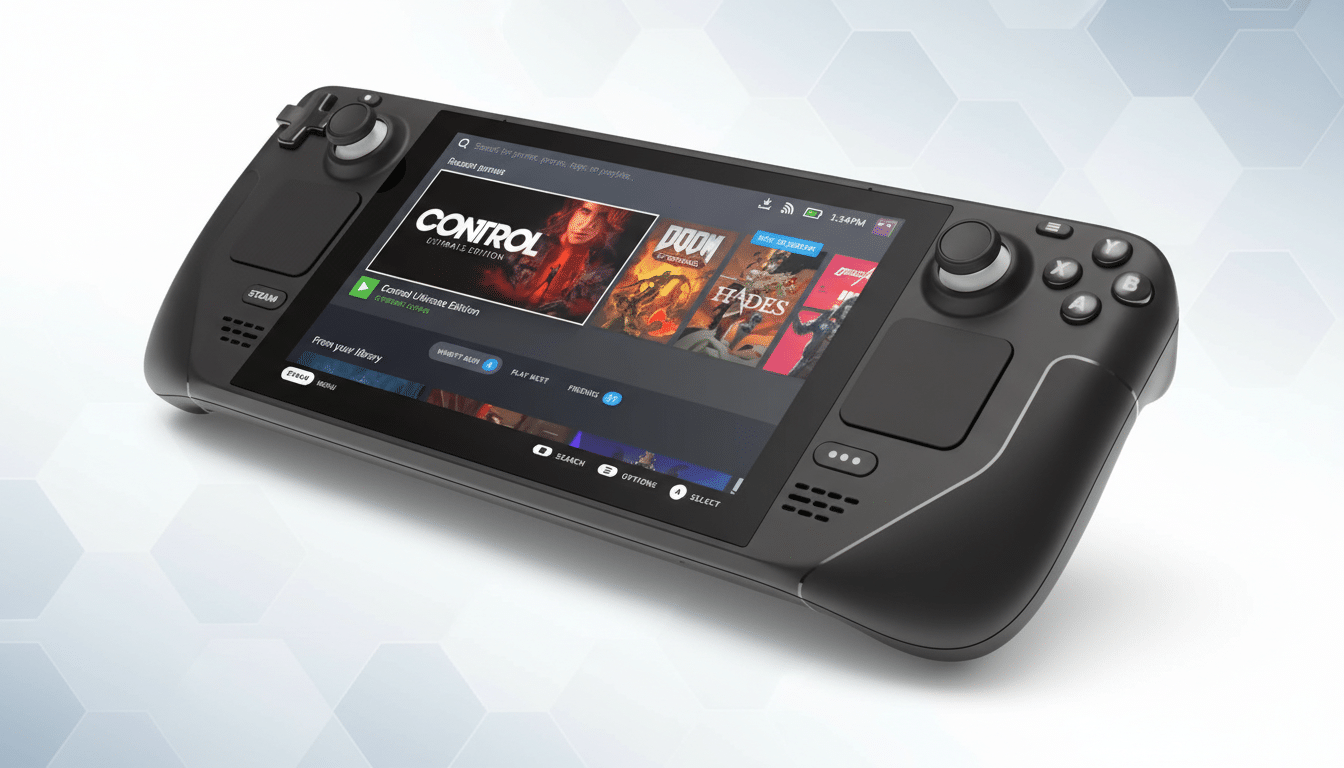
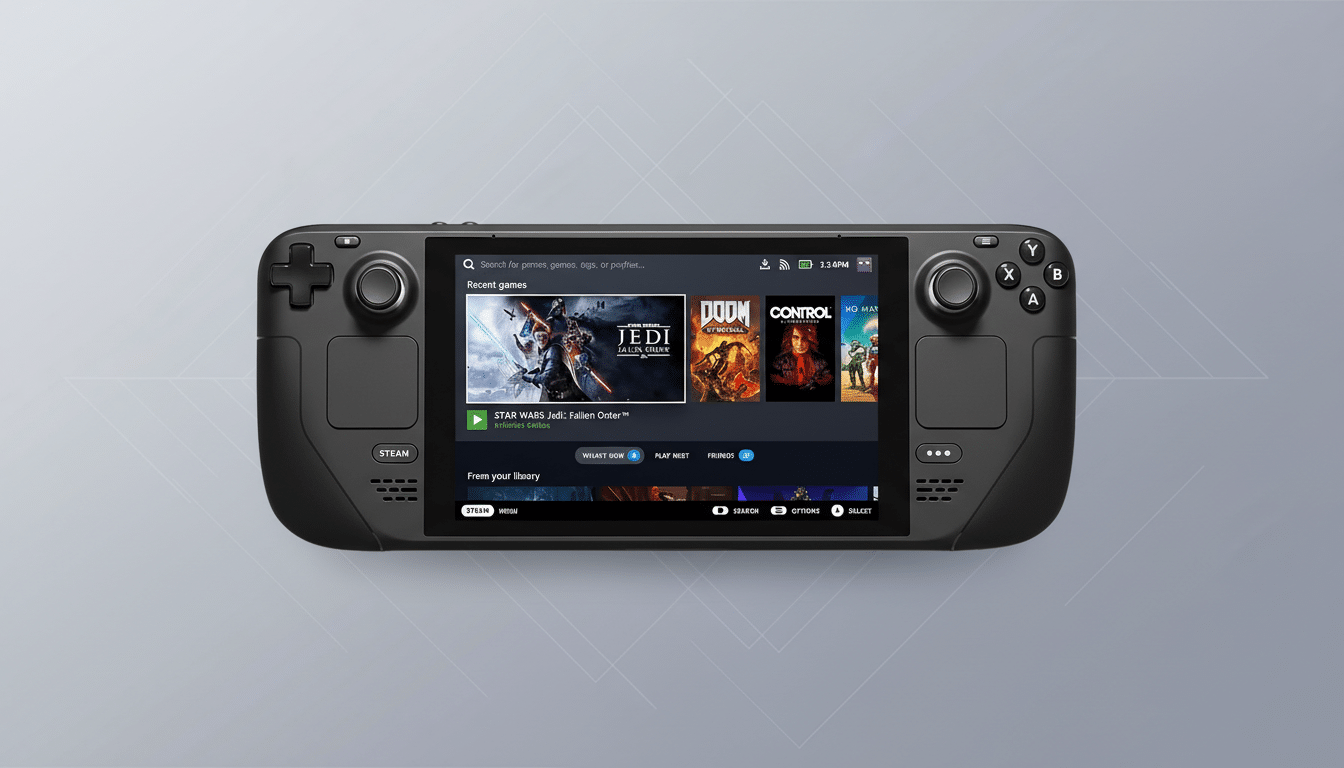
And the Steam Deck matters far beyond its installed base. Valve has acknowledged the device has sold in the millions, and beyond the hardware, it created a blueprint: a curated kernel, a tuned compositor, and a game-first UX that other projects can adopt. The Collective formalizes that kind of alignment across independent efforts.
The Roadblocks Still Ahead for Broader Linux Gaming
Linux’s biggest headaches remain predictable: kernel-level anti-cheat drivers, invasive DRM, and publisher launchers that assume Windows-only environments. Compatibility has improved—major anti-cheat vendors now document Linux paths—but day-one support is not guaranteed, and a few popular live-service titles still block the platform.
Hardware ecosystems add friction, too. Peripherals with Windows-only configuration tools, spotty laptop firmware, and unique handheld quirks can turn setup into tinkering. Fragmentation across kernels, Mesa versions, and desktop environments means a “works on my machine” culture persists unless projects coordinate. The OGC Kernel and a shared Gamescope path directly target this pain.
What to Watch Next as the Open Gaming Collective Matures
Three signals will reveal whether the Collective moves the needle:
- Faster upstream merges into Gamescope, Mesa, and the kernel
- Broader day-one support for new GPUs and gaming handhelds
- Fewer bespoke patches in gaming distros because the fixes are landing where everyone benefits
If that happens, expect smoother installs, more “it just works” controller behavior, fewer launcher headaches, and better performance parity with Windows in Vulkan-heavy titles. Pair that with continued Proton gains and incremental anti-cheat cooperation, and Linux can sustain its growth from the low single digits, especially among handhelds and living-room PCs.
Can Linux gaming take on Windows? On raw share, not yet. But with the Open Gaming Collective aligning plumbing and policy, the platform’s most persistent paper cuts are finally getting a shared treatment plan. That’s how you turn a promising trend into a real alternative.
