


OnePlus has launched its latest battery-centric top-end phone series in China, where you can take home not one but two gigantic phones with thousands of milliamp hours for the current equivalent of $1,000 USD or less. The pair of models — Turbo 6 and Turbo 6V — had been teased for weeks and have now gone on sale through the brand’s Chinese storefronts.
OnePlus’s China site and Oppo’s online store have also all confirmed availability, and at notably lower prices than many mainstream rivals. (NotebookCheck was the first to spot the pages going live.) The new listings are an indication that the company’s marketing push around “Turbo” is transitioning from hype to hardware.
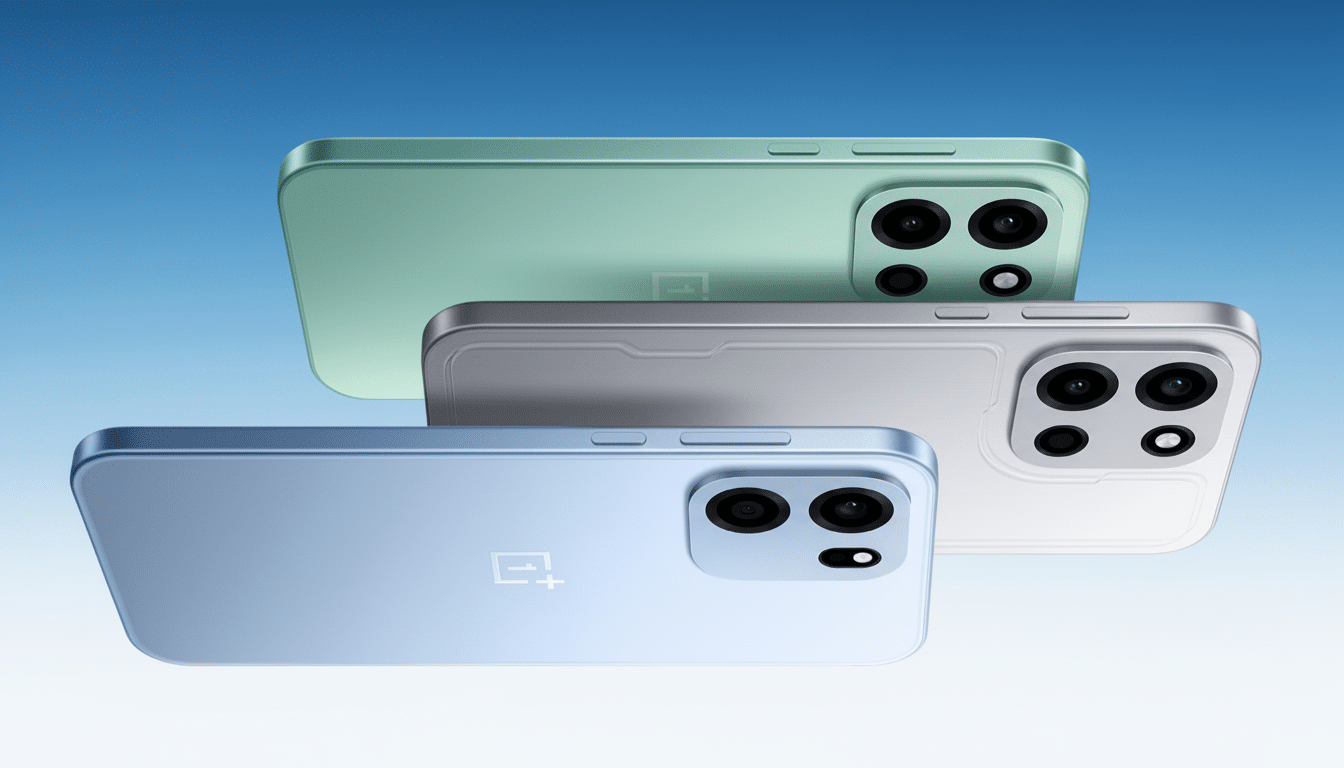
Pricing and availability for the OnePlus Turbo 6 series in China
The starting price of the OnePlus Turbo 6 is CNY 2,099, or about $300, and that of the Turbo 6V is CNY 1,899, or a little over $270.
Those who order early will also get to avail themselves of a CNY 200 launch discount if they buy via Oppo’s web store, cutting the entry fee even further.
For now, the sales are in China. The company has not shared a release timeline for wider availability, nor is there any indication of potential carrier tie-ins or regional SKUs. History suggests that international plans could materialize later under the same or neighboring branding, but nothing is set in stone.
Specs and key differences between Turbo 6 and 6V models
Both phones will use the headline feature: a huge 9,000 mAh battery along with 6.78-inch 1,272p displays that promise silky smooth scrolling and gaming. The Turbo 6 is able to push panel fluidity up to 165Hz, while the Turbo 6V still manages a nippy enough 144Hz.
OnePlus divides the stack under the bonnet. The Turbo 6 gets a Snapdragon 8s Gen 4, making it the highest offering from Qualcomm in its value flagship range, while the Turbo 6V is powered by the fairly standard Snapdragon 7s Gen 4 for mainstream performance and power efficiency. Memory-wise, the Turbo 6 will offer up to 12GB of RAM, while the 6V gets by with “only” up to 8 gigabytes of memory to align themselves better with their performance goals.
Imaging is centered around a 50MP main camera for both the models. OnePlus hasn’t claimed to crack your mind with exotic zoomy hardware here; the story is endurance and speed, glitteringly wrapped in a price that’s clearly been beefed up for power users who despise smartphone anxiety.
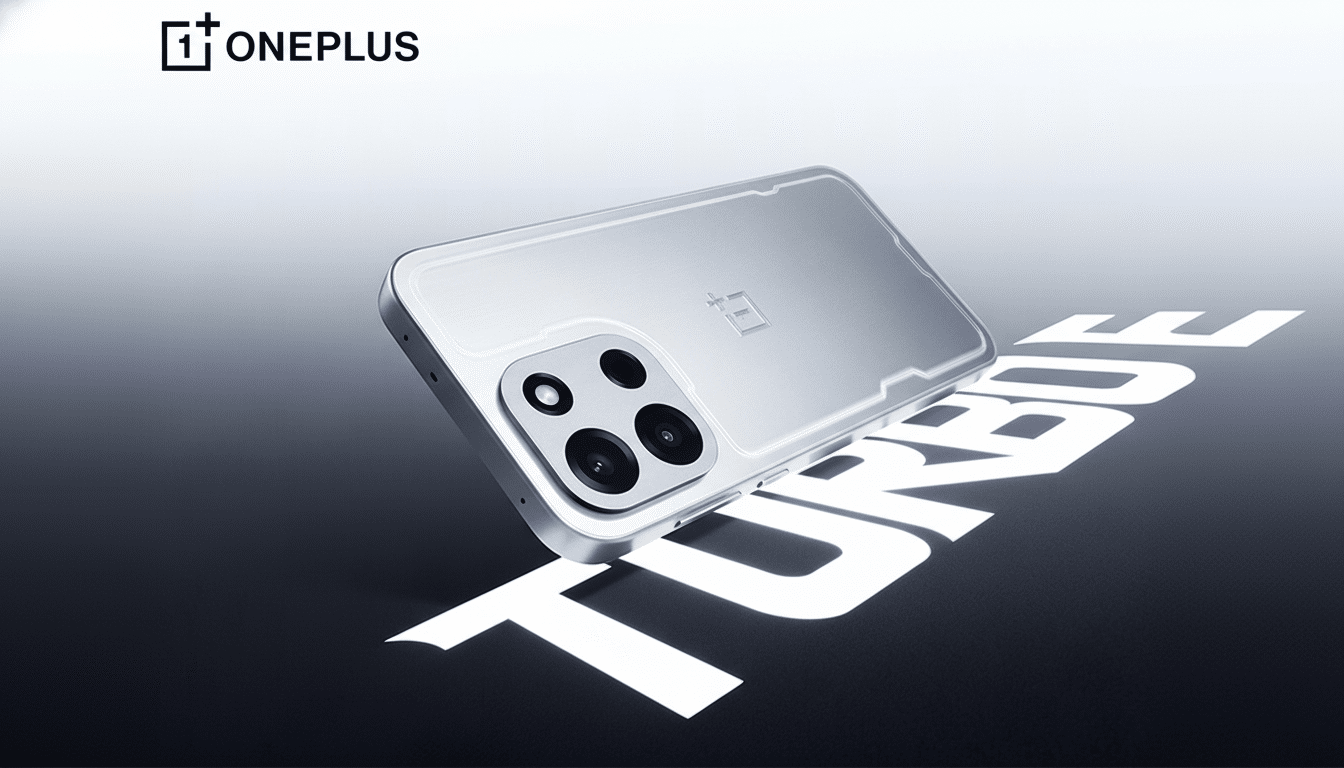
Why the 9,000 mAh battery matters for everyday use
Most Android phones come with a standard 5,000 mAh battery. Leaping to 9,000 mAh is an 80% increase in capacity, and that means multi-day runtimes for moderate users and generous buffer for serious gaming, navigation, or 5G tethering. That’s especially powerful as high-refresh screens and faster modems do the power dance.
Consumer research by outfits like Statista and YouGov repeatedly identify battery life as the most important purchase driver, with surveys reporting it’s a bigger priority than the quality of camera or processor speed for 60 percent of respondents or more. In other words, a big battery phone at a midrange price isn’t merely a spec flex — it’s aiming to solve the single most painful experience for many buyers.
There are trade-offs. Bigger batteries usually translate to increased weight and girth, but thermal management can also prove complicated under sustained loads. That being said, a 9,000 mAh pack rated at 3.8 volts nominal is still only about 34Wh — well under the bar for airline limits on personal electronic devices — so travelers won’t have to worry too much about carry-on restrictions.
What this launch could mean for the broader smartphone market
The Turbo 6 series suggests a new battery race among mainstream brands. Although niche rugged models have dabbled at around 10,000 mAh and beyond, few high-volume manufacturers have pushed the envelope this hard in mass-market slabs. Should these phones take off in China, I’d like the sound of 6–7,000 mAh devices at the very least — and possible references to battery being brought in as sub-brands.
For global shoppers, the big question is rollout. Certifications on regulators like the FCC, NBTC, or BIS are usually a sign that broader launches are imminent; watch those databases for any such activity. Until then these early China sales are the first real-world test of whether extreme endurance can set a narrative that fast screens and midrange chips will continue to shape around how long we expect a phone to go between charges.
Bottom line: OnePlus is betting that big batteries and bigger value will make an impression. If the Turbo 6 and 6V actually reach the runtime that their specs promise, they could kick the midrange segment into gear to up its endurance game very quickly.
