


OnePlus has confirmed that it plans to release the first smartphone powered by Qualcomm’s new‑gen Snapdragon 8 Gen 5 system‑on‑chip, claiming an early stake in next‑gen power before escalating to the pricier Elite tier.
In a post on Chinese social platform Weibo, OnePlus executive Li Jie said the device will launch worldwide, hinting at broader ambitions than just a China‑only drop and positioning OnePlus to stake early mindshare around Qualcomm’s fresh silicon.
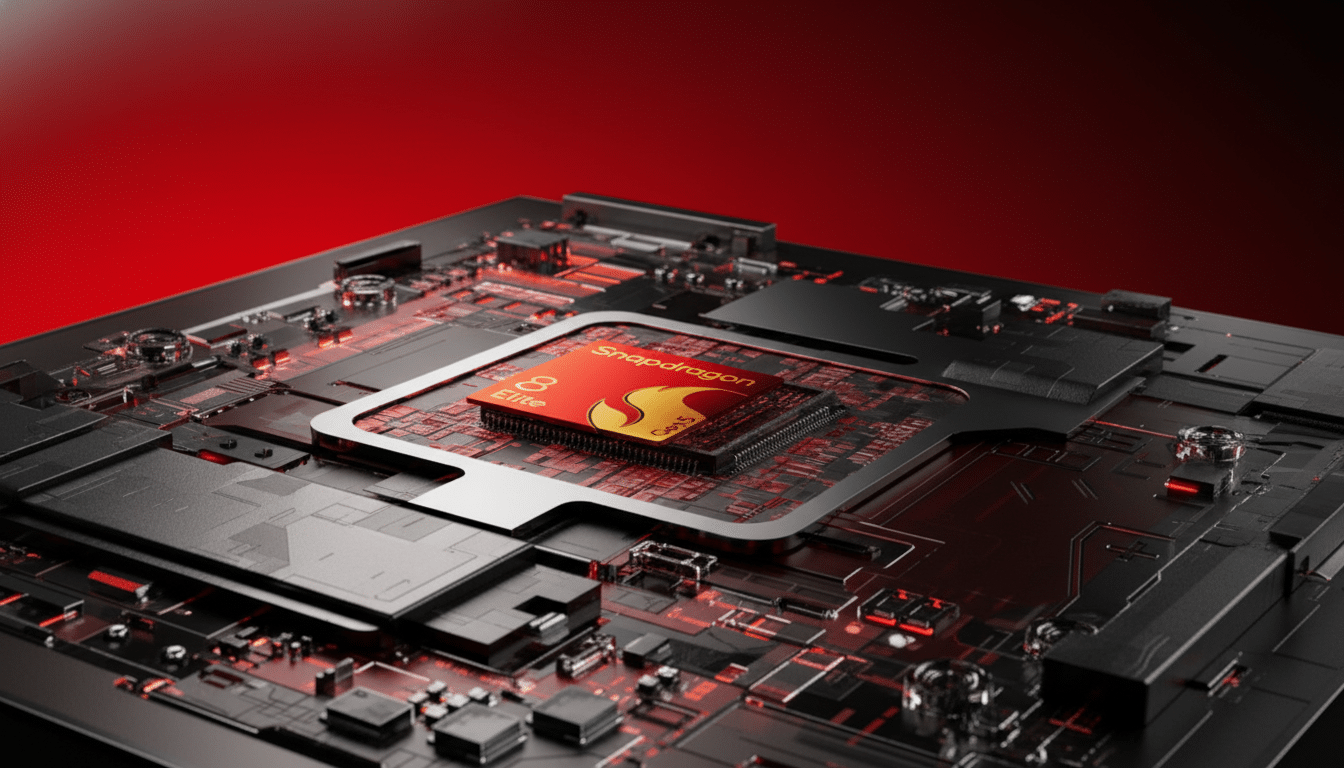
What Snapdragon 8 Gen 5 means for performance and AI
Qualcomm’s fresh approach divides its flagship stack in half, between the top Snapdragon 8 Elite Gen 5 and the less powerful Snapdragon 8 Gen 5. Despite being a flagship chip, the 8 Gen 5 is the baseline platform, with high‑level features built on top of it: that means a 3nm process and custom Oryon CPU cores that Qualcomm first introduced in its PC chips and now brings to phones. Anticipate better single‑threaded performance, swifter sustained performance, and some upping of on‑device AI, if not the uppermost clocks and binned performance, which the Elite tier will retain.
Qualcomm hasn’t publicly released full spec sheets for each variant yet, but in recent briefings the company has touted lower power draw under load, faster AI inferencing (for image and live translation generation), and a modern GPU architecture aimed at hitting console‑class visuals with improved thermal behavior. That pairing should be a great fit for the likes of OnePlus, which values both responsiveness and sustained performance as much as raw peak figures.
Why being first matters for OnePlus in the 8 Gen 5 race
Getting bragging rights for being first‑into‑chip launches has real marketing value. Research firms like Counterpoint Research and IDC have consistently observed that early adopters of new Qualcomm platforms garner significant halo effects that drive brand consideration, particularly in the premium market. Getting the 8 Gen 5 out to store shelves ahead of rivals would mean stronger launch‑period sales and more column inches for OnePlus, even if other companies get their ultra‑flagships to market first by leading with the Elite variant.
OnePlus was early to board the Qualcomm silicon gravy train — the OnePlus 12 was there with the first wave on Snapdragon 8 Gen 3 before hitting MWC — and it has made a strong play for delivering near‑flagship performance at aggressive price points. That first Snapdragon 8 Gen 5 phone also lets the company show off that tightrope: cutting‑edge CPU and AI features at a potentially more accessible price point than Elite‑equipped rivals.
Where this device could fit in the global OnePlus lineup
Li Jie’s focus on a global launch seems to indicate that this will not be limited to the China‑centric Ace line. One possibility is a device in the R‑series or an entirely new, globally focused model that holds court just under the company’s top‑of‑the‑line. OnePlus has previously slotted near‑top‑tier chips in its value‑flagship position — the OnePlus 12R, for example, used a Snapdragon 8 Gen 2 — so moving to the non‑Elite for a soft launch avoids giving that category a generational boost while also assuaging any worries about missing out on the absolute highest bin.
If that’s the approach, the pitch will more likely be all‑day performance, sustained cooler system gaming, and AI‑powered experiences in the camera and system UI as opposed to some headline‑grabbing “fastest phone on Earth.” That has appealed to buyers who put a high premium on stability and battery life as much as they do raw speed.
Competitive dynamics to watch among Android rivals
Competitors such as Xiaomi, iQOO, and realme tend to race to market with the latest chips from Qualcomm, often first for China. Samsung, meanwhile, tends to keep the most aggressive Snapdragon bins for its Ultra‑class devices in parts of the world. But with OnePlus staking a claim on the standard 8 Gen 5, the competitive landscape could bifurcate: Elite for the ultra‑premiums, 8 Gen 5 for mid‑range flagships. That segmentation provides OnePlus with an open road to compete on price‑to‑performance, while at the same time being able to bank on genuinely next‑gen CPU and AI features.
Another battleground will be thermals and software tuning. It’s sustained performance where many phones either rise or fall, and early units often have a spread of results. Testing from independent labs, like UL Solutions, and device reviewers who subject the hardware to extended stress tests will be key to validating OnePlus’s claims once hardware lands.
What to expect next from OnePlus and Snapdragon 8 Gen 5
Stay tuned for updates on the imaging pipeline, on‑device AI functionality, and connectivity. Qualcomm has been pushing AI‑assisted photography and real‑time generative features, and OnePlus usually bakes them into its camera or OxygenOS experiences in short order. The battery efficiency benefits at the 3nm node could also allow OnePlus to push higher‑refresh displays or faster charging without sacrificing battery life.
The headline is straightforward: OnePlus will be the first with an 8 Gen 5 Snapdragon phone — not the Elite — and it launches globally. How ably the company translates that advantage into a compelling product, and how aggressively it prices it in what is sure to be a competitive pack of flagship rivals, will determine whether this gamble on being first pays off in a crowded fall season.
