


OnePlus is quietly taking a hard line against bootloader unlocking and firmware downgrades, with new reports indicating hardware-level Anti-Rollback Protection is now live on recent ColorOS builds. For enthusiasts who flash custom ROMs or revert to older firmware, this shift dramatically raises the risk of a permanent brick.
What changed in recent ColorOS builds with ARB enabled
Developers tracking ColorOS updates report that Anti-Rollback Protection (ARB) is baked into ColorOS 16.0.3.500, .501, and .503 builds based on Android 16. Once installed, these builds permanently prevent downgrading to earlier firmware. The change reportedly affects the OnePlus 13 and OnePlus 15, and could extend to older OnePlus models and OxygenOS as shared code rolls forward.
- What changed in recent ColorOS builds with ARB enabled
- How anti-rollback protection works at the hardware level
- Why this shift raises the stakes for modders and users
- Security rationale versus user freedom with ARB
- What modders and power users should do right now
- What to watch next as OnePlus expands ARB enforcement
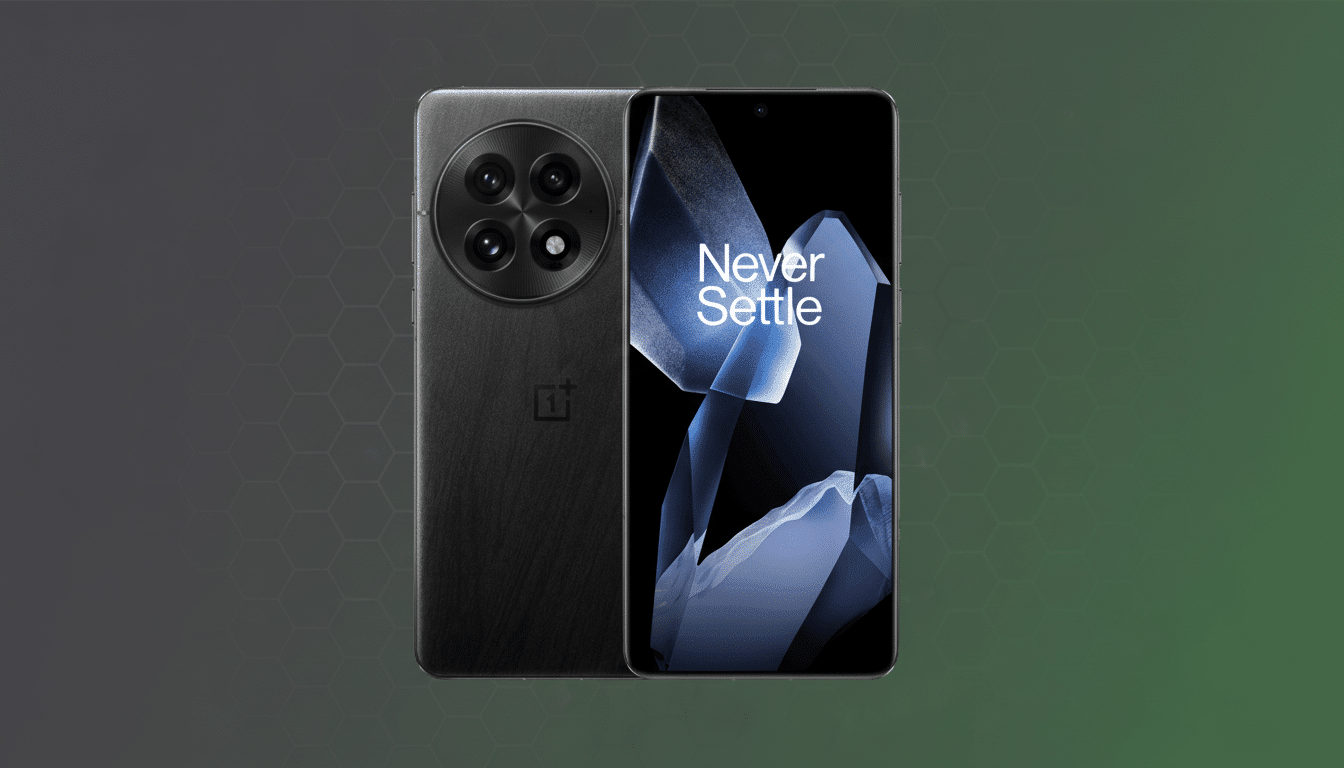
Community findings suggest OnePlus has also withdrawn official downgrade packages for the OnePlus 13, eliminating a long-standing safety valve. OPPO’s Find X8 series is flagged as high risk, implying the ARB mechanism may already be active there too. Modders are advising anyone who values unlocking to avoid updates ending in .500, .501, or .503 until the situation is clearer.
How anti-rollback protection works at the hardware level
ARB ties into Android’s Verified Boot framework, which includes rollback protection to stop attackers from installing older, vulnerable firmware. On affected devices, updating blows a hardware e-fuse that increments a security version counter stored on the motherboard. That counter can move forward but never back.
Practically, that means flashing any firmware—stock or custom—with a lower rollback index can hard-brick the device instantly. Traditional unbricking tools won’t revive a phone if the rollback index is violated, because the enforcement happens below the software stack. Short of replacing the motherboard, there’s no path back.
Why this shift raises the stakes for modders and users
ARB isn’t new to Android. Xiaomi, Redmi, and POCO devices have employed rollback protection for years, and Google enforces rollback indexes on Pixels as part of Verified Boot. In 2018, Xiaomi drew backlash when certain models bricked after users flashed older builds, a cautionary tale the modding community still cites.
Samsung’s Knox has long used hardware fuses to flag bootloader status, but its approach typically stops at warnings, warranty flags, and blocking features like Samsung Pay. By contrast, strict ARB can turn a misstep into a dead device. That’s the pivotal difference: a move from inconvenience to irreversibility.
For OnePlus, the stakes are also cultural. The brand built early loyalty among power users by embracing unlocking and community ROMs. Tightening the boot chain may boost security and anti-tamper assurances for regulators and enterprise buyers, but it risks alienating the tinkerers who helped define OnePlus’ reputation.
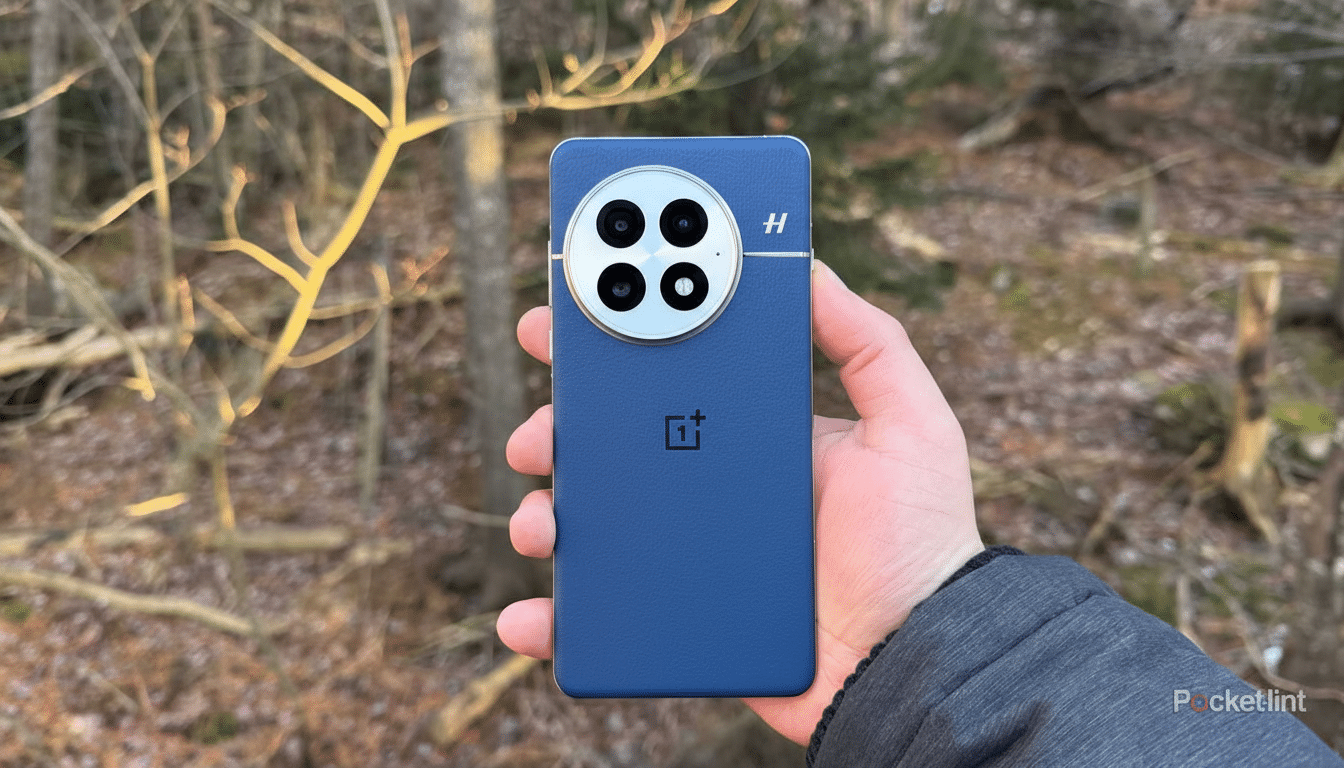
Security rationale versus user freedom with ARB
From a security lens, rollback protection makes sense. Downgrade attacks remain a real vector; older firmware often packs unpatched exploits that undermine the trusted boot sequence. Google’s documentation has long recommended enforcing rollback indexes to preserve the chain of trust from bootloader to system image.
But making the enforcement hinge on a one-way hardware fuse limits user agency. It also complicates repair and refurbishment, where controlled downgrades sometimes help revive devices. As right-to-repair debates grow louder, hardening at the fuse level can be perceived as entrenching lock-in.
What modders and power users should do right now
If you unlock bootloaders, flash ROMs, or rely on engineering tools, treat any ColorOS build ending in .500, .501, or .503 as a red flag until independent testing confirms safe paths.
- Verify the rollback index before flashing.
- Avoid mixing firmware bases.
- Keep full, known-good backups made prior to these updates.
Developers recommend holding off on updates if you need the flexibility to downgrade or experiment. If you’ve already installed an ARB-enabled build, assume you cannot roll back and that flashing older ROMs carries a real risk of a permanent brick.
What to watch next as OnePlus expands ARB enforcement
The key questions now: Will OnePlus extend ARB enforcement to OxygenOS globally, and will older devices like the OnePlus 11 and OnePlus 12 receive updates that flip the fuse? Also watch for official messaging that clarifies warranty implications and developer pathways, if any.
For the moment, the takeaway is straightforward. OnePlus has moved from warning labels to a lock that snaps shut at the hardware level. If you care about bootloader freedom, proceed with extreme caution—or don’t proceed at all.
