


A new leak suggests OnePlus will push a gargantuan 7,000–7,500mAh battery into the upcoming OnePlus 15T – a phone that is said to retain its relatively small 6.3-inch form factor. If true, that would make the device one of the most long-lasting smallish flagships around — possibly surpassing competitors who tend to settle in around 5,000mAh.
The Latest Claims According to the Leak
Popular Weibo tipster Digital Chat Station shared a spec rundown for the OnePlus 15T indicating it would employ a flat 6.3-inch 1.5K display with an ultra-fast refresh rate of 165Hz. The leak also suggests an in-display ultrasonic fingerprint reader, a tougher metal frame, and a 50MP telephoto camera that uses Samsung’s JN5 sensor. Previous scuttlebutt would also suggest a Snapdragon 8 Elite Gen 5 platform, though that’s still unverified.
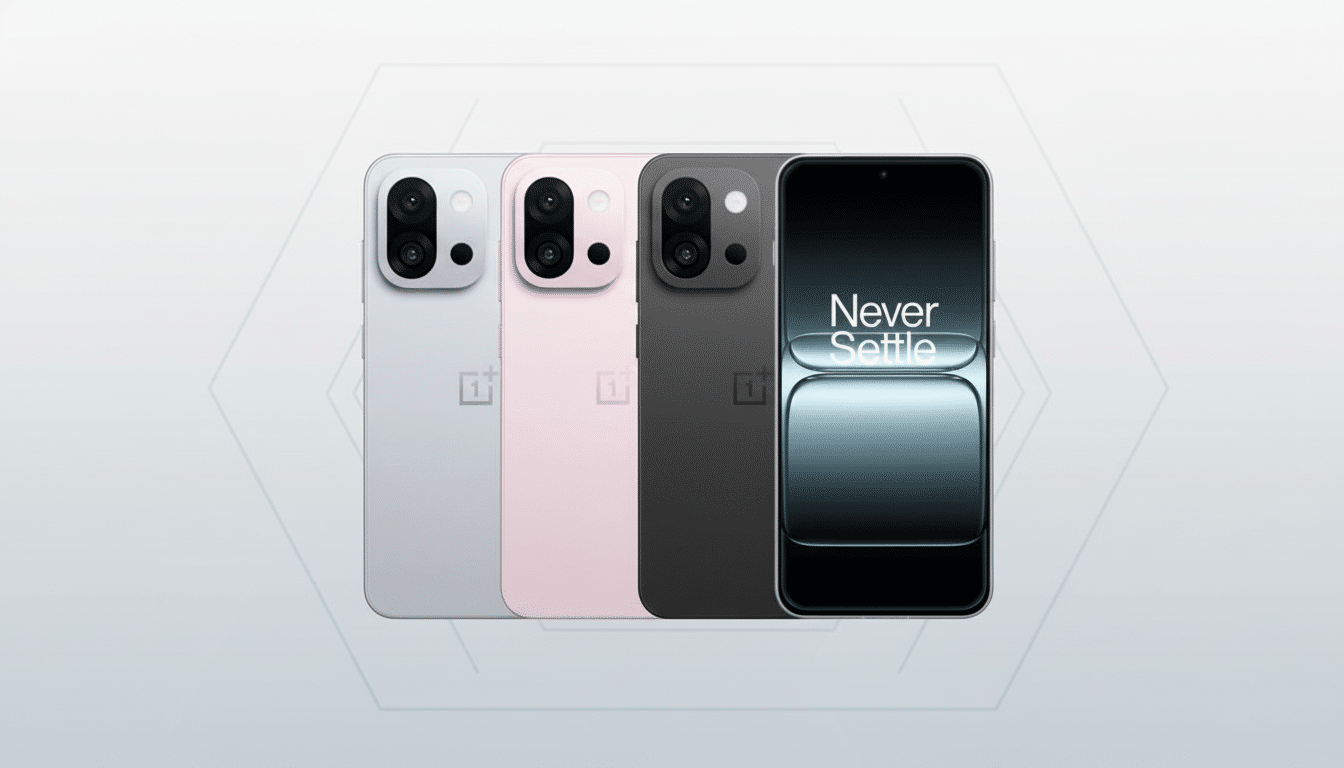
The headline, however, is the battery. A 7,000–7,500mAh cell in a 6.3-inch phone would be the biggest ever capacity within the mainstream flagship segment. In comparison: the OnePlus 13T had a hefty 6,260mAh battery, which is around how big most “premium” phone batteries are since they’re mostly all in or around the 4,600–5,200mAh range. The leaker places the 15T next to the rumored Xiaomi 17, also rumored to pack a 7,000mAh battery in a shell of similar size.
Why It Matters That There’s a 7,500mAh Cell in the Compact Frame
If anything, battery is where compact flagships usually get hit hard. A 6.3-inch device packing a maximum of 7,500mAh could change that now, though, allowing for multi-day use without the kind of aggressive power management we’ve seen elsewhere. Even with a 165Hz panel, that would be significantly more capacity than the all-day use most gaming laptops have, and give the 15T headroom for bright outdoor use, making it through a day of video capture or gaming without range anxiety.
Housing that much capacity into a smaller form factor would likely mean high-density cell chemistry, stacked cell packaging, or both.
Some brands use silicon-carbon anodes and multi-tab design to improve the charge/discharge process. OnePlus has also recently been talking up its Battery Health Engine in later generations, suggesting it’s delivering greater cycle life – if a similar philosophy is put to work here, the 15T could offer both longevity and outright stamina.
There will be trade-offs. A bigger battery typically translates into added thickness or heft, and managing heat gets trickier when pairing an enormous pack with a top-shelf chip. Yet with consumers’ demands for all-day dependability, it is difficult to ignore the practical upside.
Display and Biometrics on Flagship Polish
A 165Hz refresh rate has been relegated mostly to gaming-focused phones from companies such as Asus and RedMagic. To bring that spec into a compact, mainstream model is a clear statement of OnePlus’s intent to make as much noise as possible on smoothness and responsiveness. The rumored 1.5K resolution (usually about 1220p) is a shrewd compromise: sharper than the native 1080p but avoiding the performance hits of full 1440p.
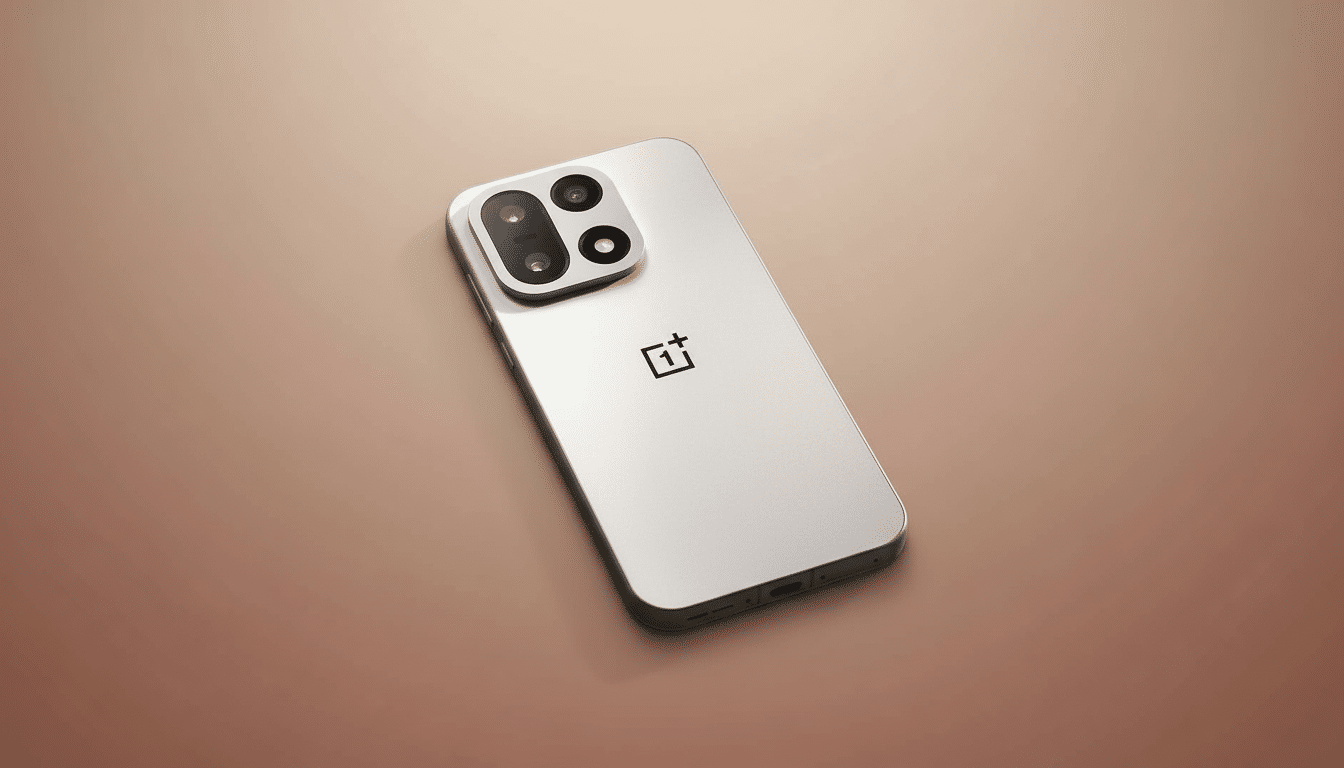
The change to an ultrasonic fingerprint sensor is a big one, too. Ultrasonic readers also tend to be more reliable with wet or cold fingers, and can provide faster, more consistent unlocking than optical under-display sensors. The 15T, partnered with a metal body, could be both lavish and extremely useful on a regular basis.
Camera and performance rumors for the OnePlus 15T
The tipped 50MP JN5 telephoto suggests OnePlus is focusing on offering a credible zoom shot in a small form factor. The OnePlus 13T/13S, for example, had a 2x tele module; if the 15T goes again toward that magnification but with better sensor quality and processing, it translates to cleaner portraits and tighter framing without leaning heavily on digital crop.
And take the Snapdragon 8 Elite Gen 5 reference on the silicon side as speculative for now. More to the point, even if the 15T is aiming for late-year timing, it would be reasonable for OnePlus to shoot for the latest flagship Qualcomm silicon as well so that they are on a more equal footing in terms of AI capabilities, GPU performance, and power efficiency. Good silicon mated with a huge battery is a recipe for stellar endurance even under heavy workloads.
Availability is still the big question for the OnePlus 15T
There’s another wrinkle: distribution. China and India were the primary beneficiaries of the 13T/13S model, with little penetration elsewhere. If OnePlus repeats that playbook, we can expect many markets to be left out in the cold for one of the year’s most interesting small-but-mighty phones. For those fans that have been clamoring for a compact flagship that doesn’t skimp on battery life, however, this broader release would be a pleasant surprise.
Again, as with all early leaks, these details can change by the time of launch. But assuming the central claim is true — a 6.3-inch OnePlus 15T with a battery sized between 7,000 and 7,500mAh — this handset might reset what we think of as reasonable endurance in compact premium phones and also inspire other manufacturers to reconsider their expectations for capacity inside smaller phone bodies.
