


The R series has frequently been the “nearly flagship.” Not so much this year, with the OnePlus 15R. I recommended the 15R for most buyers after testing it beside the OnePlus 15. It gets the basics right that matter day to day, and while you’ll find faster or better AI in other phones, it’s fast enough, taking bright shots under good light and keeping up with performance. Here are five solid reasons why the 15R is a brighter choice.
Premium 165Hz Display Without the Premium Price
The 15R offers up a 165Hz AMOLED panel that rolls off the screen like you’d expect from a premium smartphone. Although it doesn’t feature the 15’s LTPO and uses LTPS instead, in supported apps and games (typically just scrolling) it’s functionally the same for smoothness. On titles that can chart high frame rates, the 15R’s screen absolutely holds its end of the bargain. In my testing, Call of Duty Mobile even stayed locked to 165fps for long stretches, offering the type of buttery motion usually reserved for more expensive hardware.
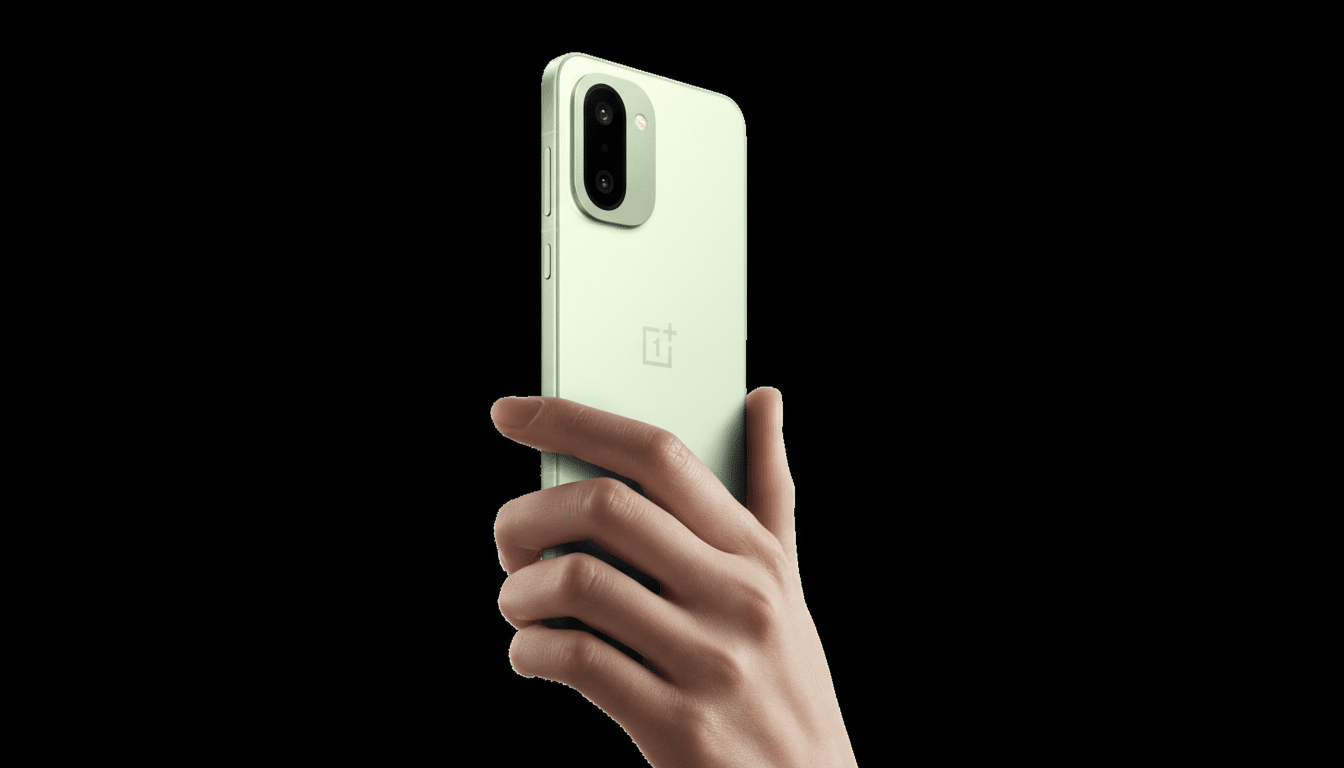
If you’re doing a lot of scrolling, media consumption, and playing in supported titles, LTPO may not make a noticeable difference on the practical side. What you get here is the “flagship feel” for less, with punchy color and quick touch response that make the interface fly.
Super-CPU-Throttled Speeds, Illegally Cool Thermals
The Snapdragon 8 Gen 5 in the 15R is not the Elite variant you’ll find in a few premium models, but out in the real world, the difference isn’t as large as spec sheets would imply. In artificial benchmark tests like Geekbench 6 from Primate Labs, the CPU number ranked shockingly near to the top tier. What was even more impressive is that the 15R didn’t run hot under pressure.
The 15R’s exterior hovered around 35°C while the OnePlus 15 got closer to 38°C in this scenario. The 15R also cooled back down after the run more quickly. That thermal headroom means sustained performance, with no worries about throttling or toasty hands during a marathon session.
Optimizations That Matter In-Game for Smooth Play
More than just raw silicon, the 15R gives gamers a real leg up thanks to OnePlus’ Trinity Core Engine. Window dressing such as resolution upscaling, HDR enhancement, touch latency tuning, and frame interpolation squarely fall into the same category. In PUBG Mobile, for instance, the 15R maintained an even 120fps through frame generation with only minor dips during intense moments of effects like nearby explosions or when you return from death. In Call of Duty Mobile it maintained 165fps for a solid 30 minutes, with no perceivable stutter.
The important thing is: the 15R serves up the kind of smoothness you can feel, not just count. And it does all this while remaining cooler than you might think. For most Android titles, the additional overhead of the OnePlus 15 is wasted unless you’re really pushing hard into emulation-type workloads.
The Top of the Line for Faster Day-to-Day Operations
For the 15R, both the 256GB and 512GB options also pack UFS 4.1 storage—the same class you get on the OnePlus 15. This is more important than it may sound. Fast storage saves you seconds here and there on app launch times; less time to load levels; big file transfers will get done quicker. In our sequential read tests, the 15R outpaced last-gen OnePlus 13 by about 25%, and was just about on par with the times posted for the 15.
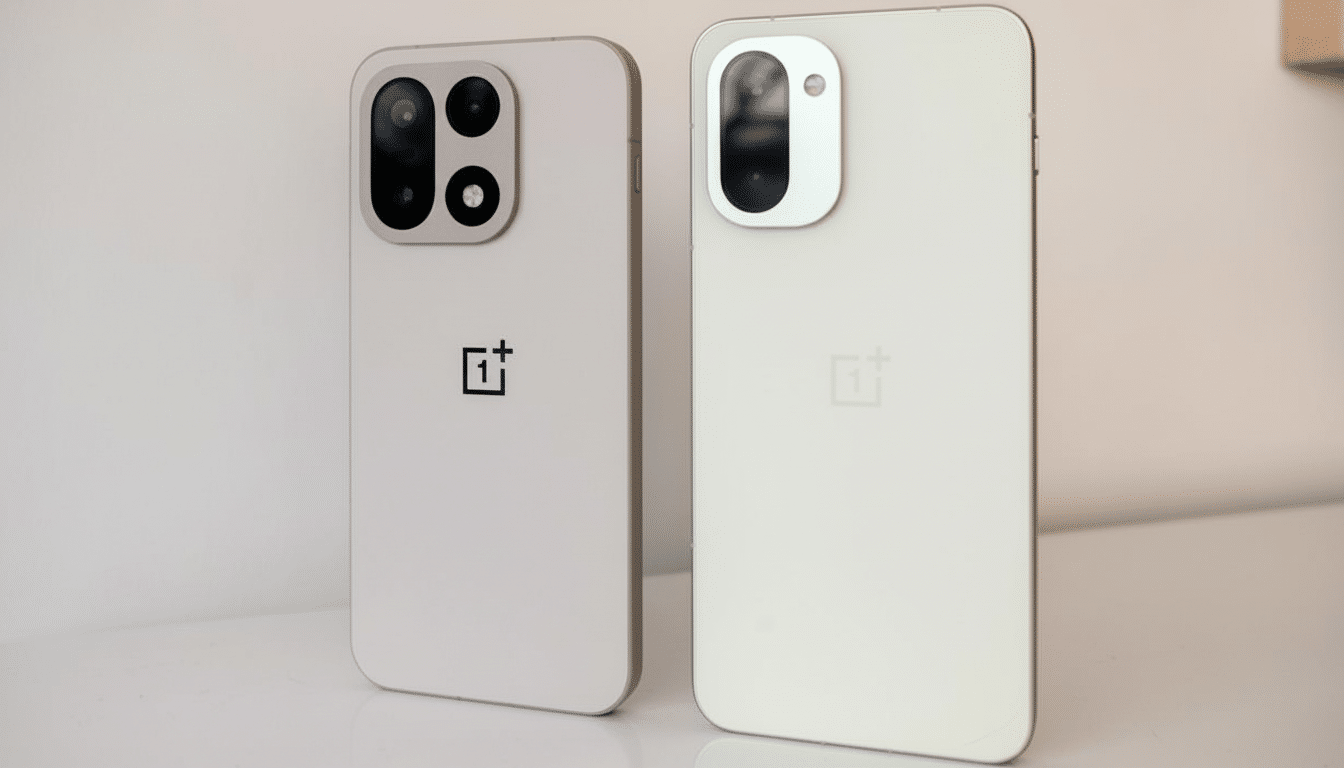
JEDEC’s UFS 4.x standard represents a significant increase in bandwidth over UFS 3.1, and that’s something you notice during general day-to-day responsiveness. The 15R doesn’t skimp here; it’s flagship-fast where it needs to be.
Larger Battery, Faster Charging, Better Value
With the 15R, you get a 7,400mAh silicon-carbon battery that’s just a touch bigger than the 15 and is supported by an efficient chipset and steady charging.
Mixed with 5G, hotspotting, messaging, and doomscrolling, I frequently came back to day two with charge still left; an average of more than 48 hours per cycle with around three hours of on-screen time daily. It even pushed through 18–20 hours on a single charge, even when gaming was the major activity of the day.
Wired charging remains at the same cap of 80W across markets for the 15R, and the curve holds out until about 90% – a great option if you just need a fast top-up that can last. Though availability may vary by region, the OnePlus 15 does offer faster wired charging and wireless charging, but the 15R’s reliability and stamina reduce that practical gap for most folks who plug in each night. You won’t miss much if wireless charging isn’t a necessity.
Then there’s the kicker: price. The 15R will be available from $699.99 in the US, a substantial discount to the OnePlus 15. You still get upmarket niceties such as an ultrasonic fingerprint reader, Dolby Vision certification, and a commitment to the same four years of Android updates that help maintain long-term value. Our surveys here at Counterpoint Research indicate that price and battery life are always two of the highest purchase consideration drivers, and on these fronts, the 15R squarely hits a bullseye.
TL;DR: Unless you absolutely must have the 15’s extras (wireless charging and what is ostensibly the absolute top-end GPU), the 15R gives you a flagship-like experience when it actually counts, and does so for less.
