


If OnePlus has a problem, its most recent flagships make it painfully obvious. The OnePlus 13 arrived as the company’s first truly no-compromise phone in years, while the OnePlus 15 landed with eyebrow-raising trade-offs. Two devices from the same brand, released close together, yet marching to conflicting tunes. That split says more about OnePlus’ direction than any rumor mill ever could.
Two Flagships, Two Playbooks, One Confused Brand
The OnePlus 13 felt like a course correction: confident cameras, reliable thermals, legitimate waterproofing, and premium conveniences such as wireless charging and robust haptics. It was the kind of balanced flagship that rekindled the brand’s early “speed-meets-value” promise.
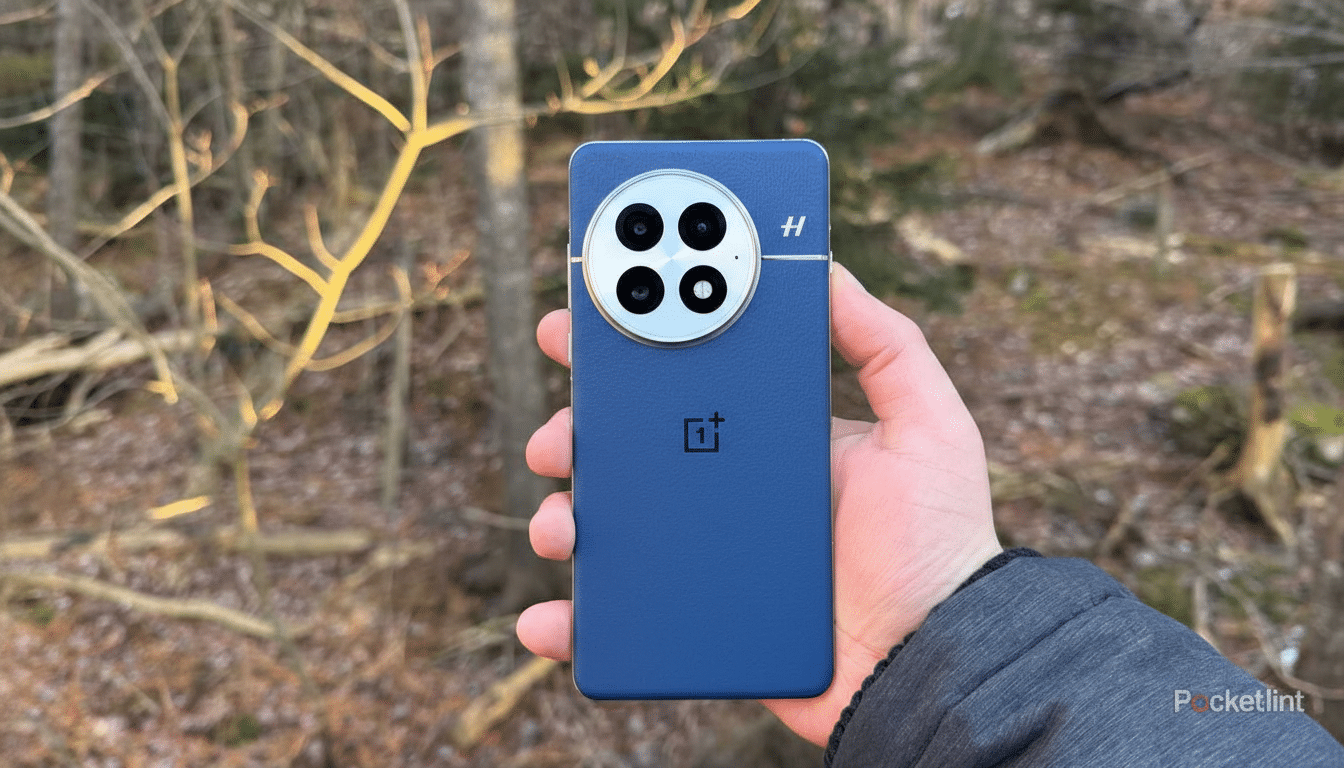
The OnePlus 15, by contrast, reads like a committee decision. Yes, it brings a bigger battery, a 165Hz panel, and tougher glass. But those gains are offset by a noticeable dip in camera capability, a lower pixel density, software that feels busier than it should, and inconsistent sustained performance under load. It is a classic case of side-grades: impressive on a spec sheet, less convincing in real-world priorities.
That split telegraphs uncertainty about the target user. One phone chases a best-for-most approach; the other gambles on headline features while surrendering fundamentals. Consistency, not occasional brilliance, determines brand trust in the premium tier.
The OPPO Convergence Problem For OnePlus Identity
Under the BBK umbrella, OnePlus and OPPO share engineering and design pipelines. The benefits are obvious: lower development costs, faster hardware cycles, and potentially stronger software support. But the downside is just as clear—overlap. Recent OnePlus and OPPO flagships look and feel like siblings, while OxygenOS and ColorOS have moved closer than longtime OnePlus fans would like.
When two brands share so much DNA, differentiation becomes a chess match. The perception among enthusiasts is that OnePlus cannot fully outshine its stablemate, particularly around camera hardware and image processing. Even where the Hasselblad collaboration exists across the portfolio, tuning choices and spec allocation can still leave OnePlus feeling second in line, precisely where it cannot afford to be.
Rising Costs And The New Software Support Expectations
Another pressure point is economics. TrendForce reports that DRAM contract prices climbed sharply in recent cycles, with multiple quarters of double-digit increases. That ripple hits retail pricing and memory configurations across the board. Flagship chipsets have also grown more expensive as wafer costs rise and modem subsystems remain complex.
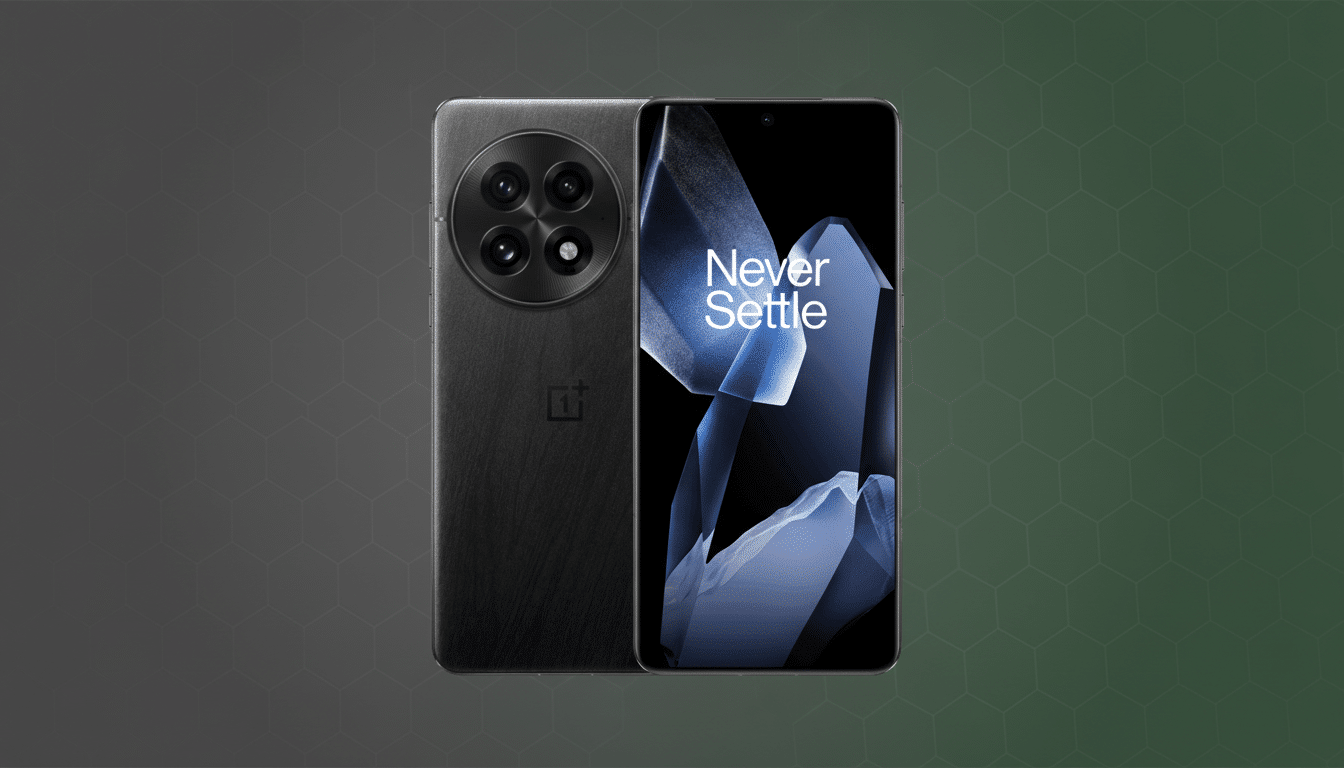
At the same time, the software bar keeps moving. Google and Samsung now set expectations for 5–7 years of updates, which means more testing, more security work, and more resources over a device’s lifespan. Pooling resources with OPPO should help, but only if it doesn’t sand down the brand’s identity in the process.
Brand Strategy Whiplash Confuses Loyal Buyers
OnePlus rose by selling unapologetically fast phones at prices that poked the giants. The OnePlus 13 was exactly that ethos. The OnePlus 15 wasn’t. When a brand oscillates between value-driven flagships and spec-chasing compromises, it confuses the very audience that championed it in the first place.
Analysts at Counterpoint Research and IDC have long noted how consistency in positioning is critical in the premium space, where repeat buyers drive margins. In markets like India, where OnePlus has historically over-indexed in the affordable-premium segment, clarity matters even more as rivals ramp up aggressive trade-in and financing programs.
Lessons From Recent Exits In The Smartphone Market
There are cautionary tales everywhere. HTC gradually lost its design voice. LG sprayed a dozen ideas at the wall and eroded confidence. Sony and ASUS have retrenched their smartphone ambitions. The pattern is familiar: muddled lineups, unclear audiences, and a slow fade of mindshare well before any official retreat.
The OnePlus 13 showed that lightning can strike. But when the follow-up blinks on basics like camera reliability and display density, it revives painful questions about governance, product planning, and who the brand ultimately serves.
What OnePlus Must Do Next To Rebuild Momentum
- First, pick a lane and stay there. A “no-compromise flagship at a sharper price” is a credible lane; a “spec exhibition with core downgrades” is not.
- Second, guarantee the fundamentals: top-tier camera hardware with consistent tuning, stable sustained performance, clean software, and a premium display with no regressions.
- Third, leverage the BBK ecosystem without being defined by it. Share the best tech across brands and let execution—not politics—decide winners.
- Finally, match the market on longevity with a clear, resourced update roadmap and frank communication on feature trade-offs when component costs spike.
If OnePlus wants to prove it isn’t in trouble, the blueprint is already in its own catalog. Build more phones like the 13—and stop making choices that make the 15 feel like a step sideways. That is how you rebuild momentum, defend loyalists, and win new converts in a ruthless flagship market.
