


Samsung’s newest One UI 8.5 beta is bringing an upgrade to Samsung Health that many users have been waiting for: the ability to manage medications on a Galaxy Watch.
The update also includes enhanced weekly reports, additional flexibility for sharing workouts, and a new antioxidant check on the latest watches, pointing to a broader push into daily health routines beyond steps and sleep.
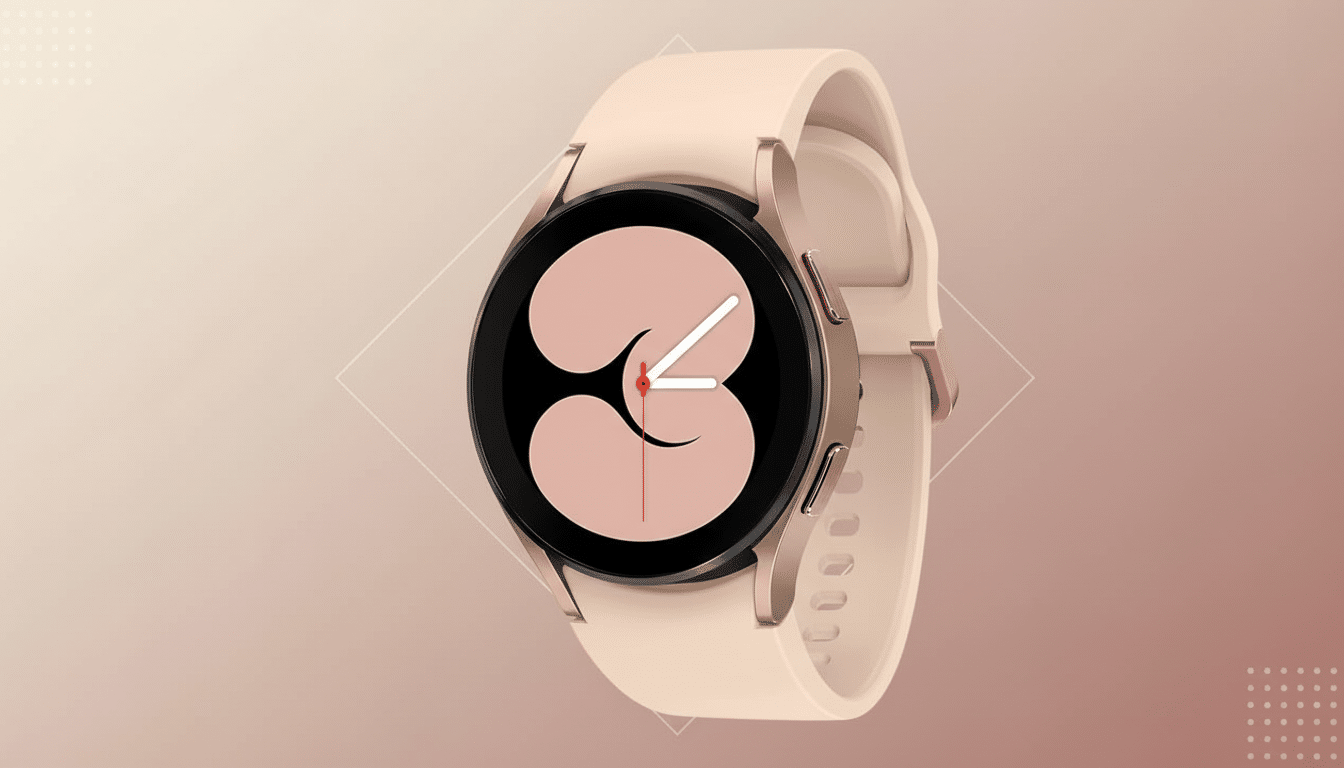
Medication tracking comes to the wrist on One UI 8.5
On One UI 8.5, Samsung Health makes it possible for you to take your meds right from your wrist and bring everything on-screen—from favorites to recommended meds when you’ve reached medication time—with no need to pick up your phone.
In real terms, this turns a high-resistance task into a fast tap, and it’s perfect for helping you stay on schedule when out and about.
The timing is important—the World Health Organization says that about half of people with chronic diseases don’t follow prescription orders, and that missed doses have put some 30 percent of healthcare costs in the U.S. on patients over the years. Logging from the wrist helps curb drop-off by truncating steps between reminder and action, a concept backed up in mobile health research indicating timely, on-body prompts can improve adherence.
And Samsung’s method also maintains a consistent experience across gadgets. It’s a natural extension if you already use Samsung Health to coordinate your med schedules—click off a dose quietly at a meeting, during the commute home, or between reps at the gym—while letting the phone rest safely in your pocket.
Antioxidant Checks On New Galaxy Watches
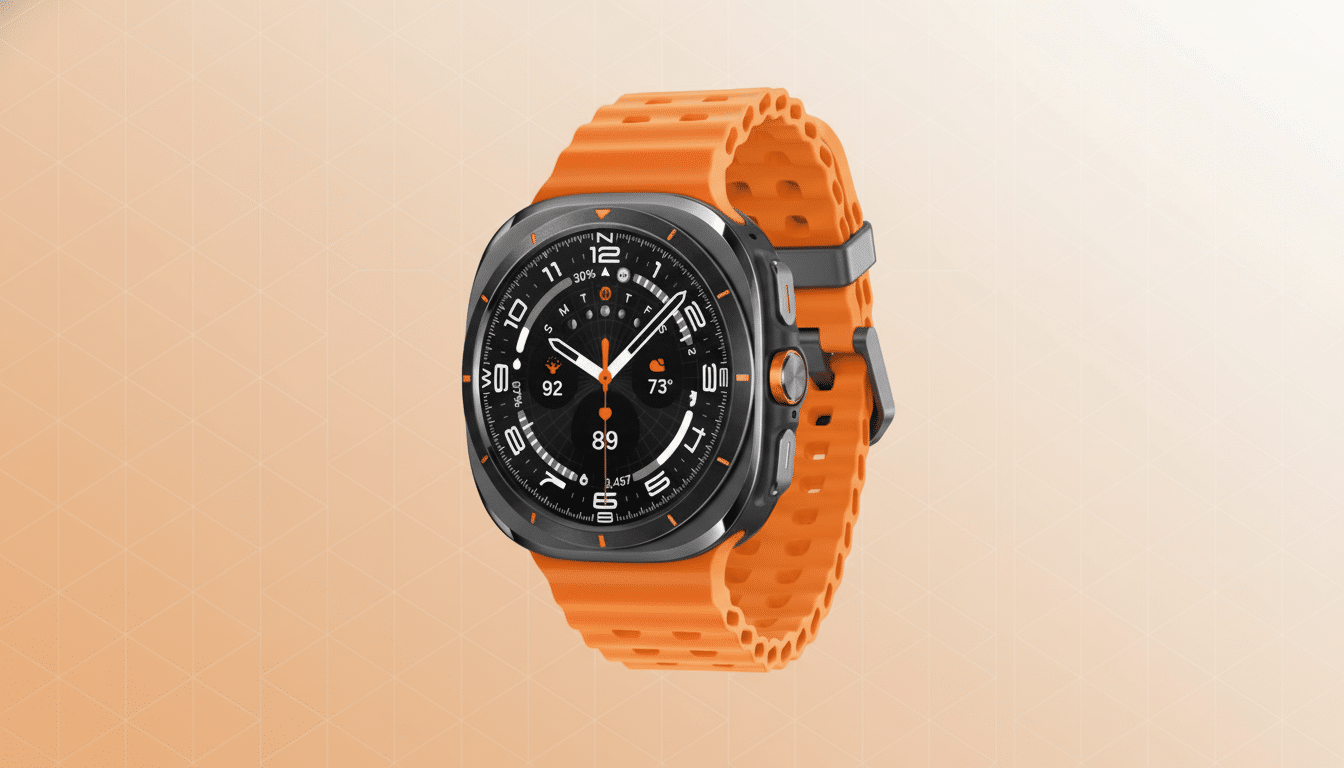
One UI 8.5 introduces an antioxidant level reading to Samsung Health for Galaxy Watch 8 and Galaxy Watch Ultra owners. The feature leverages the watch’s cutting-edge optical sensors to provide an estimation of a wellness-related antioxidant metric intended to offer users yet another perspective on lifestyle and recovery.
Like other wellness readings, it is not diagnostic but can prompt healthier habits. In nutritional research, higher readings related to carotenoids correlate with fruit and vegetable consumption. Positioned alongside sleep and activity, this metric could show users how their dietary choices affect general readiness.
Weekly Reports And Sharing Gets More Intelligent
Medication and mindfulness data can now appear along with activity, sleep, and workouts in Samsung Health’s weekly report. That adds perspective: comparing how, say, a consistent med routine coincides with more even sleep or better training consistency makes trend-spotting feel easier.
Sharing is also more flexible. Users can combine and scroll through workout stats with photos, creating a post-session snapshot that showcases pace, heart rate, or elevation gain next to an image of the trail. For coaching circles or fitness communities, this brings in signal without losing personality.
Availability and compatibility for the One UI 8.5 beta
The One UI 8.5 public beta is now ready in some regions, including the U.S., South Korea, the U.K., Germany, and India, with more markets to come as testing goes on. The beta is restricted to owners of the Galaxy S25 series, as Samsung has done with other betas in its phased strategy.
Feature availability depends on hardware. You’ll need a compatible Galaxy Watch that’s connected to a One UI 8.5 beta-enabled phone for the wrist-based medication management feature, while the antioxidant feature is only available on the Galaxy Watch 8 and Galaxy Watch Ultra. As always, regulatory approvals in different regions and app version updates can affect timing.
How it compares with rivals in wearables and health
Competitively, this eliminates a gap between Fitbit and platforms that currently support medication features on the watch. Note that Apple added medication reminders and logging to its own watchOS prior to this release, and by bundling similar features, Samsung can maintain feature parity where it matters most—regular habit loops. Fitbit and Wear OS rivals have gone more all-in with activity metrics than they have medication workflows, and that’s enough of a gap for Samsung to find ways to differentiate within Android’s ecosystem.
Why this matters for wrist-based med logging
The health of a population improves as friction decreases. Sixty percent of adults have at least one chronic condition, according to the Centers for Disease Control and Prevention, and medication adherence is an essential element of management. A tap on the wrist in the moment is a tiny design decision with dramatic implications—making it possible to act instead of intending to, and then not getting around to it, as life swamps your aspirations.
Add richer weekly reports and a newly enhanced antioxidant signal, and One UI 8.5 positions Samsung Health as a fuller-spectrum daily companion. Pragmatic, yes, but the kind of update that matches where wearables actually offer value: quietly working in the background for your betterment, improving context, and giving you even fewer reasons to miss those moments that keep you well.
