


When winter storms knock out power and cell towers, an off-grid satellite setup can be the difference between being offline and getting work done. The compact Starlink Mini has become my go-to emergency internet system for cold-weather outages, and the current $300 discount makes it even easier to justify as a household resilience buy.
The appeal is simple. This dish-and-router combo is portable, fast enough for real workloads, and independent of local infrastructure that snow and ice routinely cripple. With a clear view of the sky and a modest power source, you’re back online while the neighborhood waits for crews to dig out.
Why This Off-Grid Setup Beats Winter Power Outages
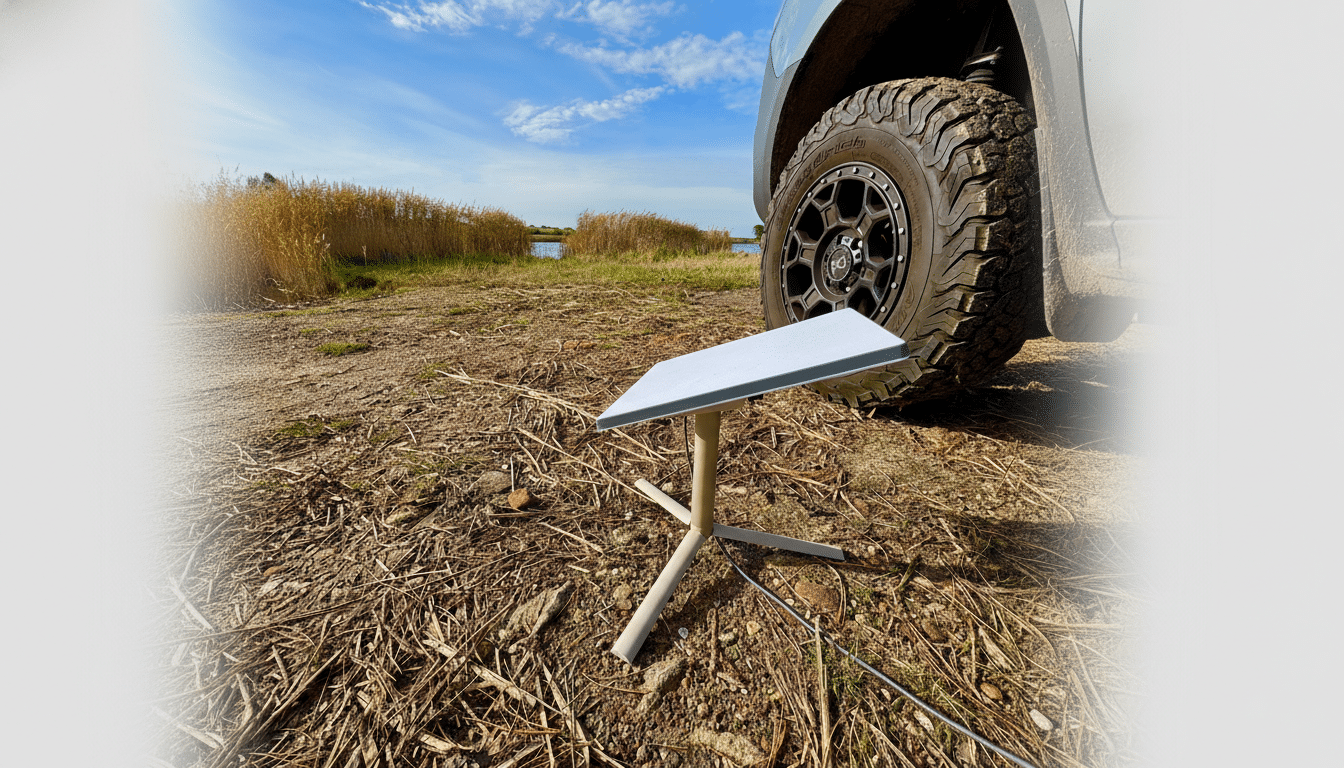
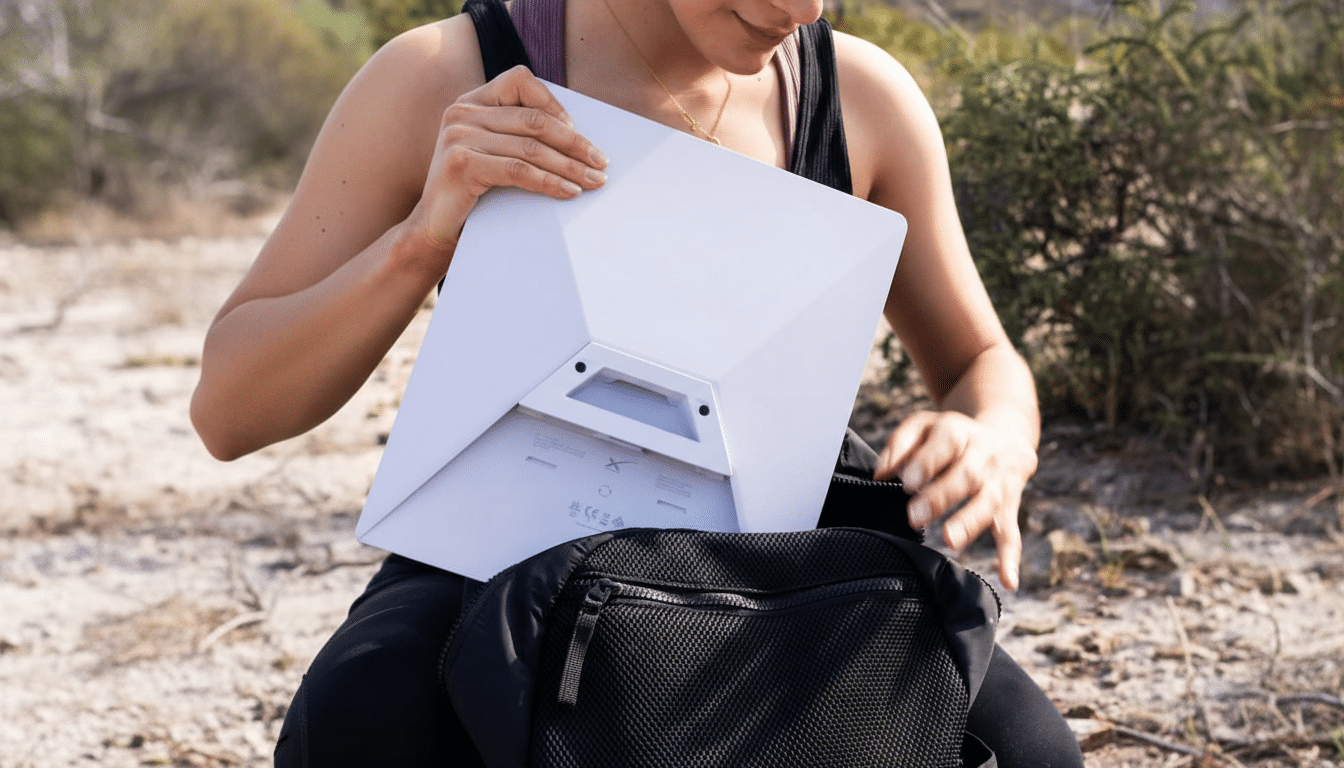
Low Earth Orbit satellites circle roughly 340 miles overhead, so connectivity doesn’t hinge on the nearest fiber hut, overloaded cell site, or iced-over aerial lines. The dish is small—about 11.75 by 10.2 inches and just 1.45 inches thick—so it stows with your storm gear and deploys in minutes.
Traditional satellite messengers and Iridium-style hotspots are invaluable for SOS and texts, but they choke on data-heavy tasks and get expensive quickly. A Mini-class terminal, by contrast, supports normal browsing, file sync, and video calls when you need full internet, not just a trickle.
Weather remains the leading driver of major U.S. power disruptions. The U.S. Energy Information Administration has reported that a large majority of significant outages are weather-related, often topping 70%. That’s why a communications plan built on infrastructure not strung along your street is a smart hedge.
Power Math and Real Runtime for Starlink Mini
Power is the only real wrinkle. The Mini expects up to 100W via USB-C Power Delivery—specifically 20V at 5A. It can negotiate at lower PD levels (65W and up), but consistency matters more than a label on the box. Not all “100W” banks maintain 20V under load or in the cold.
In testing, several premium power banks handled the dish reliably, while others cycled on and off despite meeting the right specs. A high-quality USB-C-to-DC cable also makes a difference. Shorter, thicker cables with proper e-marker chips deliver steadier power and fewer dropouts.
As a practical reference point, a 24,000mAh bank (around 86Wh) yields roughly four hours of connectivity before recharge, depending on dish load and temperature. Step up to a small power station and you can run through a day of calls and cloud sync without babysitting the battery icon.
What You Need for a Reliable Off-Grid Starlink Kit
Start with the Starlink Mini hardware, which bundles the antenna and Wi‑Fi router in one slab. Add a reputable 100W USB-C PD power bank that explicitly supports 20V output and sustained high-current delivery. Look for models with clear PD profiles and robust thermal management.
Pair that with a 100W-rated USB-C-to-DC cable spec’d for the Mini’s input. Keep it as short as your placement allows to minimize voltage drop. If you prefer a wall outlet when utility power is available, any 65W+ USB-C charger that holds 20V should serve as a backup.
A vehicle can power the dish via a 12V accessory port and inverter or DC step-up, but use caution. Idling for hours wastes fuel, and drawing down a starter battery in freezing temperatures is a recipe for a call to roadside assistance.
Pro Tips for Winter Performance and Reliability
Cold slashes battery output and can disrupt PD negotiation. Keep power banks warm—in an inside pocket or insulated pouch—until the link is stable. If the dish repeatedly resets, swap cables first, then try a different bank; cable quality is a common culprit.
Mount the dish with an unobstructed view of the sky and away from metallic railings that can reflect signals. Pre-test your entire kit on a clear day so you’re not troubleshooting under sleet with numb fingers. A small folding stand and a weather-grommeted cable make setup faster and more robust.
If you do have grid power but no internet, a 65W–100W USB-C wall charger has proven more forgiving than many banks. It’s a useful fallback when the lights are on but terrestrial ISPs are down.
The $300 Discount and Who Should Consider Buying
The current $300 price cut meaningfully lowers the barrier for families building a resilience kit, remote workers who can’t afford downtime, and rural homeowners who live at the end of a long feeder line. Given the rising incidence of weather-driven outages cited by EIA and emergency management agencies, a portable satellite link is no longer an extravagance—it’s continuity insurance.
My advice is simple. Take advantage of the discount, assemble the kit, and validate it end to end before the next storm. Once the snow piles up and cell service fades, having a proven, off-grid internet lifeline feels less like a gadget and more like peace of mind.
