


Nova Launcher’s creator has verified what power users have known for quite a bit of time: development is no longer active. It’s a gut punch for an app that showed millions of people just how flexible Android could be. But I’m not mourning. Because the reality is, for a long time now Nova had been surviving on fumes, and the ecosystem had silently cut ties, letting it go.
That’s not a validity of its legacy. Nova was the first taste of deeply personalized home screens, and remains the most recommended paid app people experience without regret. But the writing was on the wall—tapering updates, new ownership, a platform that increasingly walled launchers off.
- It did not die overnight — it wilted
- It was good (version 8), just not enough
- The new rules for launchers
- Alternatives stepped in where Nova stumbled
- A giant’s legacy — and the numbers to prove it.
- What Nova users can do now
- Everything is in question, as open source
- I’m sad, but not about to get sentimental
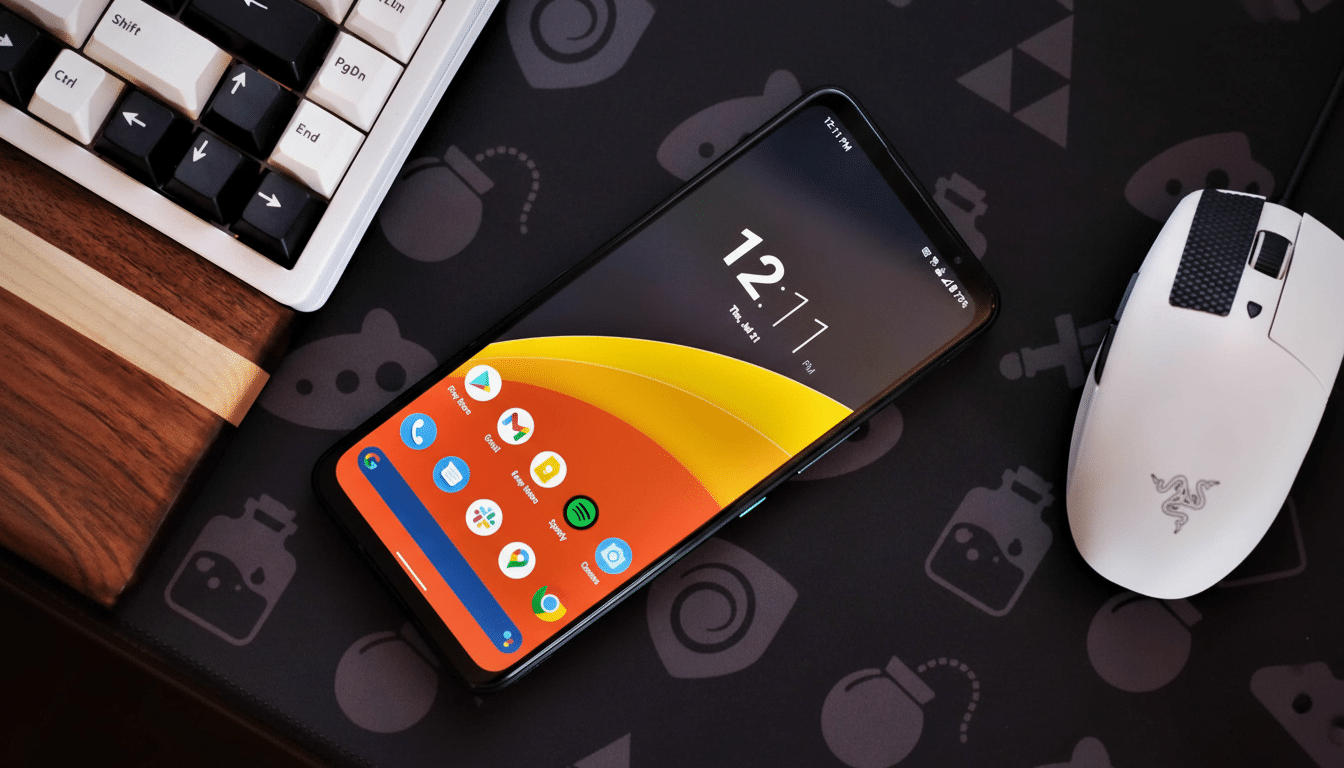
It did not die overnight — it wilted
Momentum is all that matters in software, and Nova has slowed to almost nothing. Development and communication diminished after the app was purchased by analytics company Branch. Privacy-conscious patients.” But users were concerned about privacy, not to mention staff ready for the most practical problem, energy; the roadmap seemed slimmer, the innovation less radical.
When internal layoffs over time had apparently left a skeleton crew, the direction was painfully evident. Nova wasn’t abandoned so very much as it was starved. Chances are, if you stopped using it as your daily driver, you did so not because it failed but because nothing was really exciting anymore.
It was good (version 8), just not enough
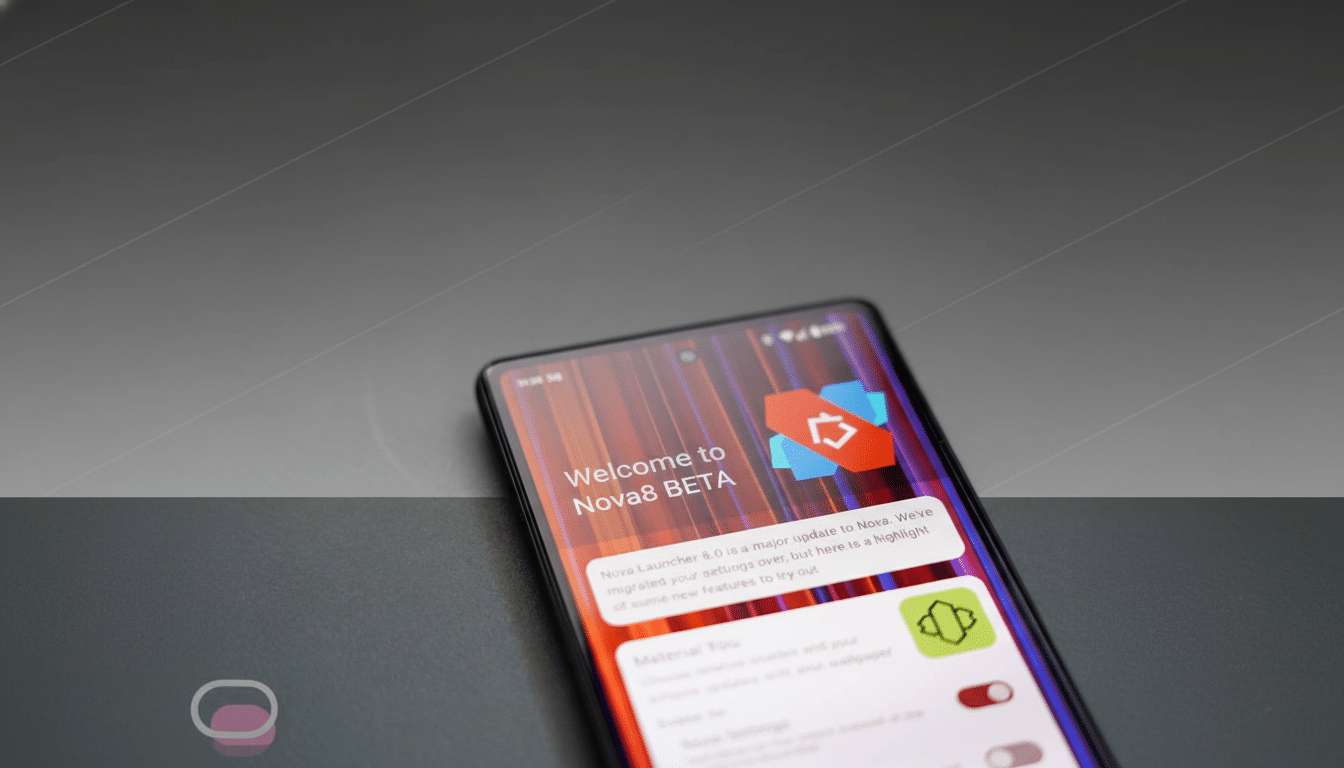
Nova 8 touched down with a few nice enhancements, including Material You theming, beefier gestures, a shrewder universal search in the form of Micro Results and UI touch-ups such as card-style info. It was the sort of sanding and polishing that makes long-term users so devoted to a product.
But the market had moved. Competing launchers weren’t just modifying icon packs and grids; they were reimagining the way you engage with your phone. The difference wasn’t quality — Nova was always steady — but ambition and pace.
The new rules for launchers
The platform kept third-party launchers in a similar pickle. The platform itself made life harder for third-party launchers. New gesture navigation and the system recents screen depend on the Quickstep interface, a privileged integration that is functionally reserved for system launchers. The Android Developers documentation lays it out starkly: Without that role, you cannot fully control the modern multitasking experience.
Throw in tighter background restrictions, notification plan requirements and developing permission models and it’s easy to see why it’s hard for indie launchers to offer the kind of Pixel- or One UI–level cohesion. OEM launchers, meanwhile, swallowed the best ideas: grid control, icon theming, gesture navigation and a neat app drawer. All around, we needed Nova as a panacea less as stock experiences got actually better.
Alternatives stepped in where Nova stumbled
Niagara organizes your apps into a neat ergonomic list with dynamic gestures and hidden logic. Lawnchair sticks close to its AOSP roots while adding in thoughtful tweaks. Smart Launcher and Action Launcher are still studded with features, while minimalists are always drawn to Kvaesitso and Hyperion for clean design and deep search. If you’re looking at foldables and giant displays, on the other hand, solutions like Octopi take aim at multi-panel workflows.
Crucially, these launchers are exploring discovery and search, not just typography. Semantic app search, contact actions, and unified results are no longer enough. Nova’s Micro Results edged in that direction, but opponents made it their identity.
A giant’s legacy — and the numbers to prove it.
Nova’s impact is measurable. Google Play has for years maintained it within the tens of millions in installs and sky-high ratings, something that’s unusual for a utility app. It established granular control per-app gestures, backup and restore profiles, icon pack support and background app launching that many users take for granted today.
Spend time with Android tinkerers and they’ll all say the same thing: Nova was the first app they installed on a new phone. It’s that cultural baggage that makes the end so biting. But it also demonstrates why the community adjusted so rapidly — the habits Nova had taught had made the transition so simple.
What Nova users can do now
If Nova still does it for you, there’s no immediate emergency. Launchers don’t stop overnight. Export your layout and settings, maintain a backup of your APK if that doesn’t bother you, and look for hiccups with compatibility after major system updates.
If you’re ready to make the switch, out on two or three contenders and define your must-haves—gesture depth, search integration, icon theming, or minimalist speed. Almost all newer launchers slurp up packs of icons and layout logic and many of them offer cloud backups to let you recover from a factory reset in minutes.
Everything is in question, as open source
There was some talk of open-sourcing Nova if the commercial option did not work out, and this would be able to seed community forks, much in the same fashion other community cherished Android projects do. But the founder’s latest word is that work has been halted at the company’s behest. Community can’t do anything unless ownership is altered or code is published.
If and when that door opens, there will be swift innovation, but the effort will require a wide variety of different kinds of research. Open projects like KISS Launcher, not to mention the larger Android mod scene, demonstrate just how fast a group of volunteers can iterate with access to the code. Nova has a passionate, talented userbase — a great place to fork that stays true to the original, but also heads off in new directions.
I’m sad, but not about to get sentimental
One of the defining apps of Android, Nova Launcher is fantastic app available for $4.99 on the Google Play. But that decline didn’t start with the last announcement, but (rather) when updates slowed, competitors sprinted ahead, and Android itself started shifting the bar. The best way to pay homage to Nova is not to cling to it — it’s to insist on that same mix of speed, control and polish from whatever we move onto next.
