


Nothing has paused the rollout of its Android 16-based Nothing OS 4.0 after it rolled out to a number of models, with customer support messages obtained by users saying that “an urgent fix is being implemented.”
The halt seems to be hitting across the board, and if you already installed the build, a fixed version will roll out once internal testing has been completed.
What Happened, and Which Devices Are Affected
Owners of the Phone 3 were the first to notice something was afoot when they didn’t see their default Software Update option anymore or when Nothing OS 4.0 didn’t show up anymore. Community posts reveal that the update was already in the process of being rolled out to the Phone 3, and subsequently hit the Nothing Phone 2, Phone 2a, Phone 2a Plus, Phone 3a, and Phone 3a Pro before it was halted. One user shared a screengrab of an email response from support confirming that distribution is paused temporarily as they prepare an “urgent maintenance fix” before everything gets checked internally.
Perhaps most significantly, support also said that users who have already updated won’t be missing out—rather, they should receive a fixed build over the air once the rollout picks up again. The update may not be available in some system settings on most of the devices until then.
Clues Point to Stability or Configuration Glitch
Some users found a peculiar post-install message on their device, saying it was “enrolled in the Android Beta Program,” even though Nothing OS 4.0 is being marketed as a stable release. That mismatch, in addition to the spontaneous vanishing of the update toggle for some, indicates a configuration or channel problem that Nothing is currently investigating. The company has not made a formal announcement, but withdrawing a build whenever telemetry or support tickets indicate an actual risk is standard practice during major OS upgrades.
Why There Are Pauses in Staged Mobile Rollouts
Today’s mobile updates are typically staged—they roll out first to a small sliver of devices (sometimes as few as 1–10 percent) before being introduced across the full fleet. Vendors may temporarily halt distribution if crash logs, abnormally high battery drain, poor network behavior, or setup failures appear to surge, because they want to determine who’s at fault. The example from the industry is quite clear: Google has previously stopped a Pixel Android update after an issue related to storage popped up, and several other companies have sent their One UI or OxygenOS builds back into the shop temporarily over emergency regressions. The goal is to safeguard the majority of users while allowing for a quick verification of a fixed package.
What Nothing OS 4.0 Will Offer at Launch
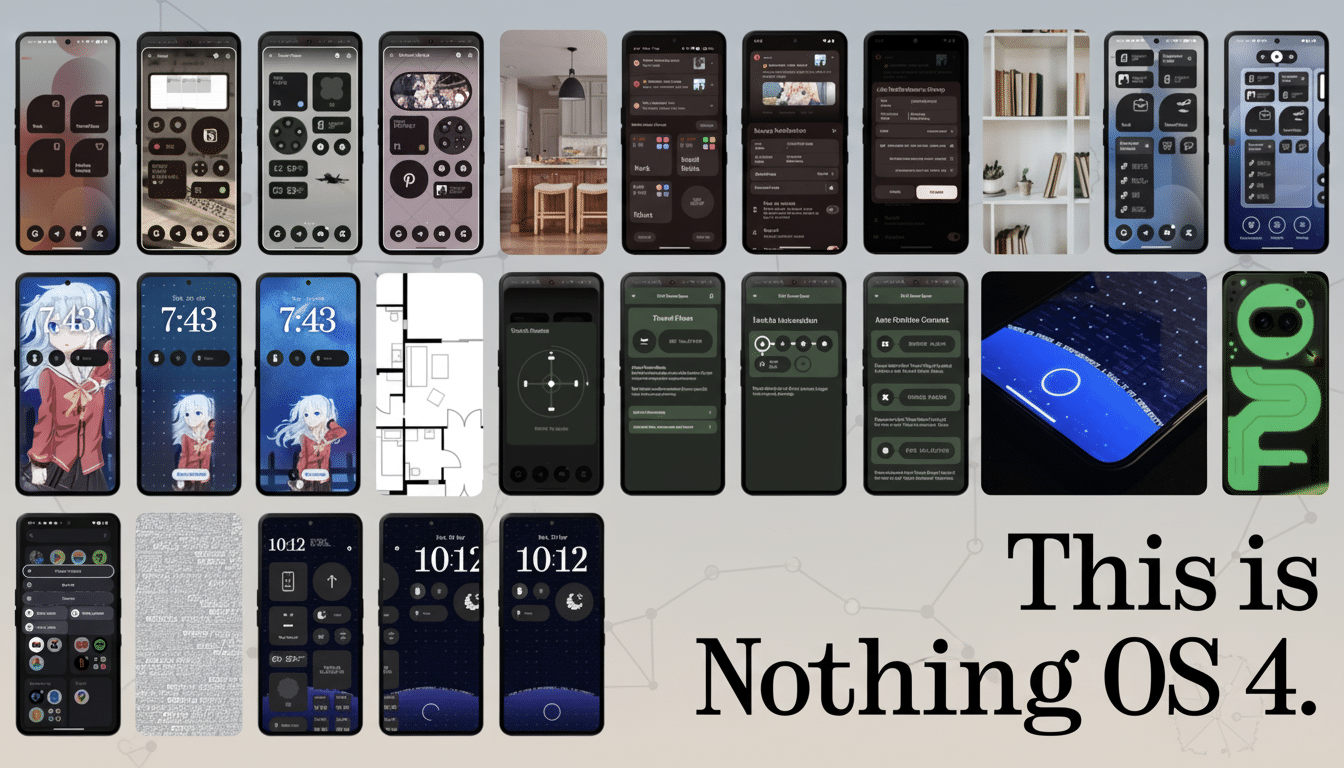
As a significant platform leap to Android 16 underpinnings, Nothing OS 4.0 is anticipated to wrap core system enhancements such as tightened privacy controls, improved background app enablement, and performance tweaks around brand-specific ones like customizations to the interface and features such as Glyph integrations. These major releases often contain new security patches and updated camera, connectivity, and power profiles, which can offer benefits across everything from mobile gaming to making phone calls.
What to Do Now While the Rollout Is Paused
If you haven’t already gotten a Nothing OS 4.0 build for your device, your best bet is to sit tight and wait until the over-the-air update resumes rather than opting to sideload any builds from an unofficial source.
If you’re already on 4.0, check Software Update for a patched build and be prepared to back up any data before flashing future firmware. You can check the build number and changelog from there, and you will see a confirmation when the fixed version is landing.
Outlook as Internal Testing Concludes for Fix
Nothing’s support communications indicate this pause is only temporary and related to one specific urgent fix, not an overall change in upgrade plans. If that validation is successful, the company will likely kick its staged rollout back into gear fairly quickly and send out an accompanying package to early adopters. Better public messaging would help, but the decision to stop and patch it means the update process is working as designed—favoring stability for most users.
