


Tap your phone, hear a beep and you’re done. It’s all possible thanks to that magical technology: Near Field Communication, also known as NFC. It’s the short-range wireless tech that enables mobile wallets, transit gates and even your hotel key — and it’s now inside most of today’s smartphones and many wearables. Here’s what NFC is, how it works and why it’s now the de facto way to pay and pass through.
What NFC is and why near‑field communication matters
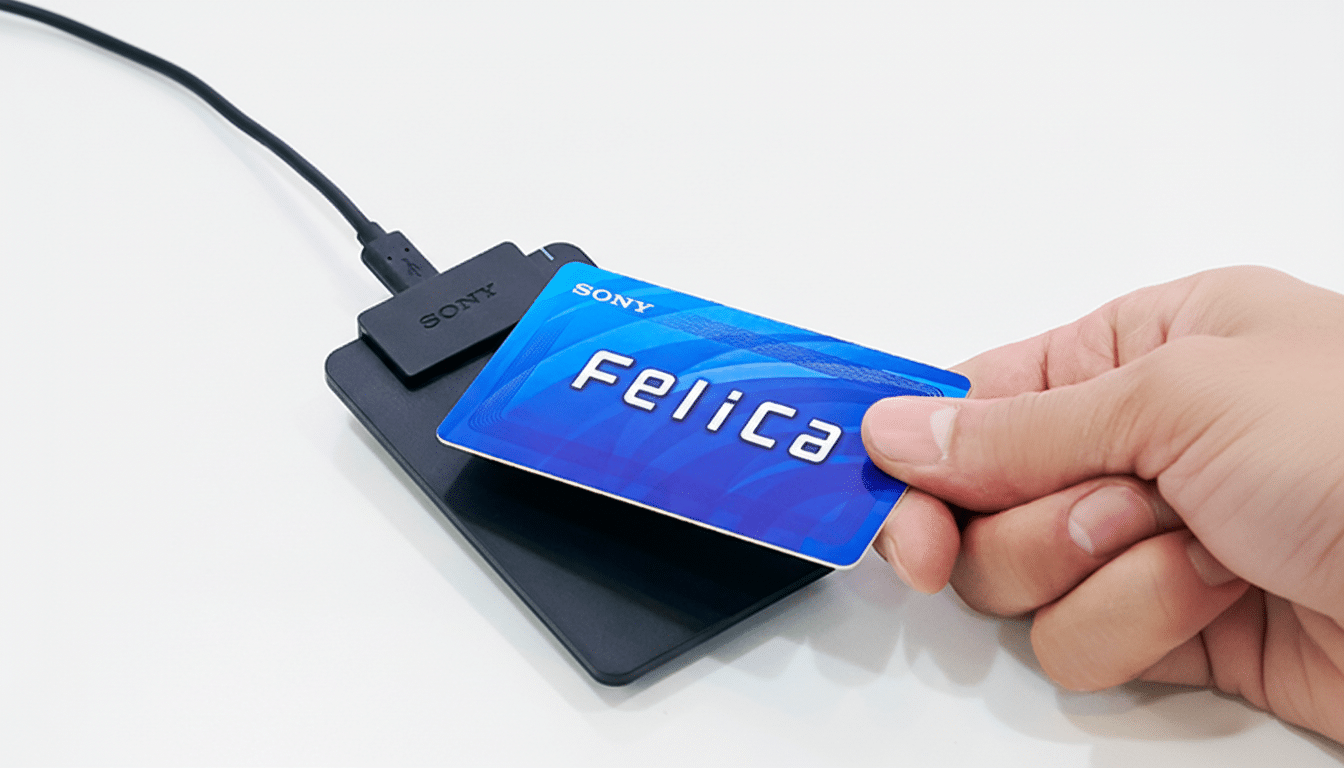
NFC, short for “near-field communication,” is a radio technology that operates at 13.56 MHz and typically works within a few centimeters. It’s based on existing standards such as ISO/IEC 14443, ISO/IEC 18092 and FeliCa, and is managed by the NFC Forum, an industry association whose members include electronics producers, card networks and chip suppliers. The short range is a feature, not a bug — it means interactions are faster and more deliberate, and it’s also harder to intercept.
- What NFC is and why near‑field communication matters
- How NFC works using inductive coupling and standards
- Everyday NFC uses you already rely on for payments and access
- Security and privacy basics for safer everyday NFC use
- NFC versus Bluetooth and UWB, and when each makes sense
- How to tell if your phone and watch are NFC capable
- The road ahead for NFC in identity, access, and travel
How NFC works using inductive coupling and standards
When you break down what’s happening, NFC is based on inductive coupling. For a reader (a payment terminal, for example, or a phone), current is driven through a small coil to create an oscillating magnetic field. Bring a passive tag or card (the kind with its own coil) into that field, and it harvests just enough power to talk back. No batteries required. When two powered devices meet, they can even swap data directly.
Modern phones can handle three NFC modes: card emulation (your phone acts like a contactless card), reader/writer (so your phone can read or write tags in posters, badges and packaging), and peer-to-peer (data is swapped between two devices, such as setup keys). Data rates are typically 106 to 424 kbps — fast enough for secure tokens and IDs, not so much for photo libraries.
Everyday NFC uses you already rely on for payments and access
Payments are the headline act. On Apple Pay, Google Pay and Samsung Wallet, your phone creates single-use cryptograms that card networks such as Visa and Mastercard accept without revealing your real credit card number. EMVCo, the organization that owns global chip card standards, has cited the wide deployment of contactless-capable cards and terminals in making tap-to-pay the largest in-person method in many markets.
Transit systems rely on NFC because it’s fast and durable. London’s Oyster and contactless readers, New York’s OMNY, and Japan’s Suica/PASMO systems all process taps in a tenth of a second to keep gates moving. You’ll also find NFC in access badges, hotel keys and car keys; the Car Connectivity Consortium’s Digital Key specification relies on NFC as a secure fallback even when UWB or Bluetooth are on board.
More than payments and access: NFC can pair headphones with a tap, activate smart home scenes with a sticker on your nightstand, verify product authenticity on high-end goods or unlock bonus content by tapping collectibles like Nintendo’s Amiibo figures. A common theme is fast, context-aware interaction with limited friction.
Security and privacy basics for safer everyday NFC use
For payments, security is layered. Your phone works with your bank to store a tokenized card number, called a device-specific substitute, and signs each purchase with a unique one-time cryptogram known as a dynamic value. Biometric or passcode verification gates access. On the device side, secrets reside on a tamper-resistant Secure Element or are protected through Host Card Emulation with hardware-backed security. Such protections are co-defined by EMVCo, big banks and phone makers.
Short range mitigates risk, but it is not a shield against everything. NIST and the NFC Forum mention possible eavesdropping and relay attacks under certain conditions. Practical advice: For now, keep your phone locked, don’t approve prompts if you didn’t start them, and avoid writing sensitive information to general-purpose tags. The risk profile for everyday tapping at retail or transit is low, and the protections are mature.
NFC versus Bluetooth and UWB, and when each makes sense
Bluetooth blankets range in meters, UWB targets devices within centimeters, and Wi‑Fi is all about moving large amounts of data. NFC’s specialty is instant, intentional closeness. There’s no pairing dance and very little setup time; taps register in less than a second and draw near‑zero power. That’s why so many gadgets use NFC only to bootstrap a Bluetooth connection, which takes over the larger role once trust is established.
How to tell if your phone and watch are NFC capable
NFC is supported in all iPhones from iPhone 6 onward, with advanced card emulation and background tag reading.
On Android, NFC is included on most midrange and premium phones; to find it, look for a setting under Settings > Connected devices (or a similarly named menu) for the NFC toggle, or refer to your manufacturer’s specs. Many smartwatches and fitness trackers also offer NFC for tap-to-pay and transit.
The road ahead for NFC in identity, access, and travel
NFC goes beyond checkout. Governments use it to read e‑passports, airlines embed tags in baggage labels and enterprises are beginning to replace plastic badges with phone-based credentials. The GSMA and industry partners are coalescing on digital identity frameworks in which a touch authenticates who you are without revealing more than you have to. As the infrastructure expands and evolves, there will be more places where a flick of the finger eliminates lines, PIN pads and paper.
The bottom line: A no-brainer for modern contactless life, NFC is the wireless technology that feeds our craving for convenience. It’s easy to operate, fully standardized and secure by design — and you probably already have one in your pocket.
