


Opera has flung the doors open to Neon, its concept web browser that was designed as a taster for what it could offer with a complete rework. The browser has now graduated to an early access edition, meaning you no longer have to register interest and wait—anyone can actually use it.
The catch is also in the cost: It costs $19.90 a month, which includes access to premium AI features and a lineup of high-end models baked directly into the browser.
- What Neon includes in its early access feature set
- Why Neon is launching as a subscription-only browser
- How Neon’s monthly price compares with rival AI tools
- Where Neon fits within today’s fast-growing AI browser rush
- Availability details and important early access disclaimers
- Who should consider Neon and who should wait for later
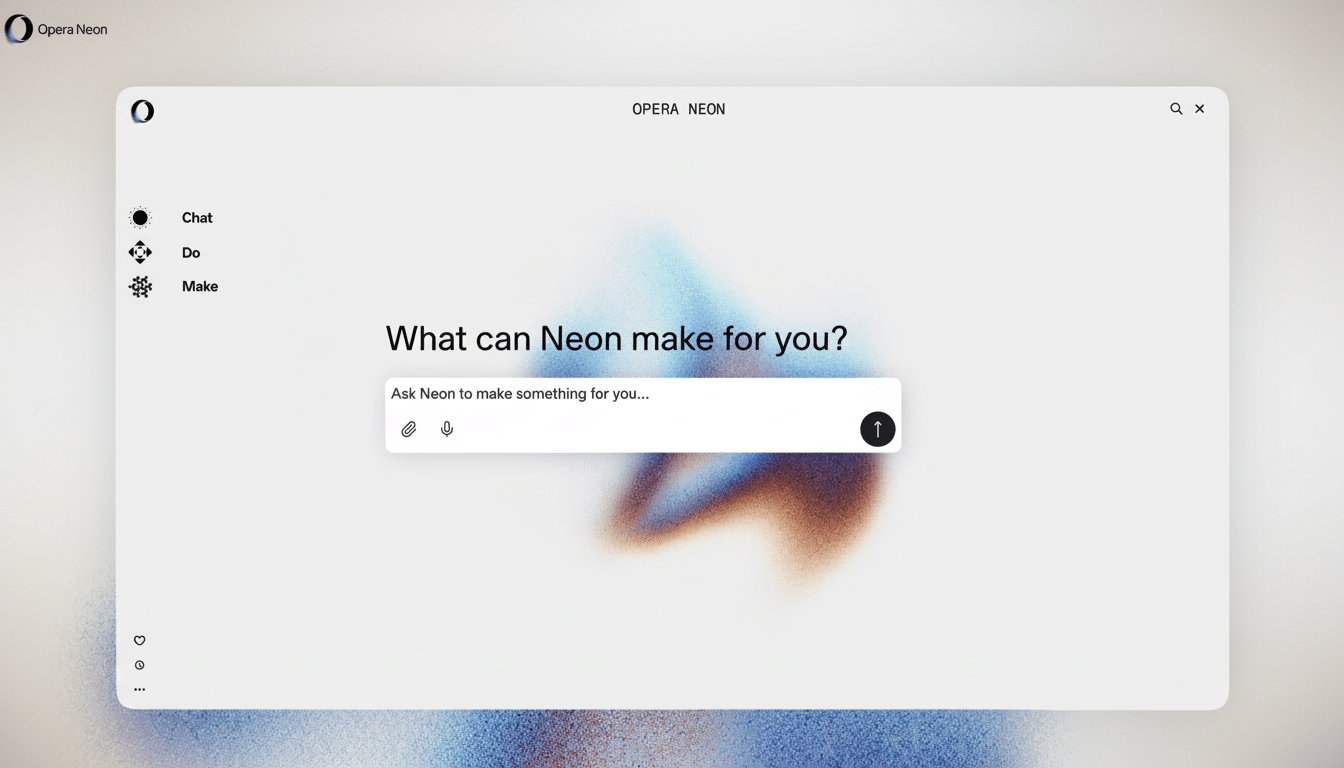
The company is framing Neon as an experimental reflection of what browsing with personal agency might look like. It’s now more generally available on Mac and Windows, but a mobile release isn’t currently planned.
What Neon includes in its early access feature set
Neon leans into multi-model choice. Subscribers can touch Google’s Gemini 3 Pro, Veo 3.1, and Nano Banana Pro, plus OpenAI’s GPT 5.1—all from within the browser. By default, new tabs open with a chatbot nudging you to prompt rather than search.
The browser introduces “workflow cards,” which are templated prompts that you can reuse as building blocks in your workflow. Opera shared specific ideas:
- A monthly meeting research brief
- Weekly dinner planning (with recipe ideas)
- A rolling competitor digest
Opera is also packaging agent tools, including Neon Chat, Do, and Make—which are designed to work on their own with multistep tasks. Examples the company mentions include drafting and editing documents, spinning up simple websites, or making videos without hopping between apps.
Neon is under active development and Opera commits to deploying regular updates and taking feedback through its dedicated Discord community. The idea is to move fast with early adopters before committing to long-term features.
Why Neon is launching as a subscription-only browser
Running cutting-edge AI isn’t cheap. Inference costs for large multimodal models and video generation can rise with heavy usage, and licensing several model families multiplies that bill. A subscription enables Opera to meter usage and get paid for premium models, all while maintaining performance.
It’s also a differentiation play. Opera’s global share of the desktop market is in the low single digits, according to StatCounter, and so for years the company has favored features that larger competitors pass over. Getting users to pay for an AI-first browser is a bold bet that heavy users will shell out for all-in-one tools rather than having them open in apps and tabs.
How Neon’s monthly price compares with rival AI tools
With a price of $19.90 per month, Neon wades into the same general territory as today’s top-shelf AI services. ChatGPT Plus, Claude Pro, Perplexity Pro, and Microsoft’s Copilot Pro all live around the $20 mark. The catch is that Neon packages a “top-end” model with more in one interface and encapsulates them with browser-native agents and templates.
Are AI web browsers free to use with limits or just upsell higher rate caps?
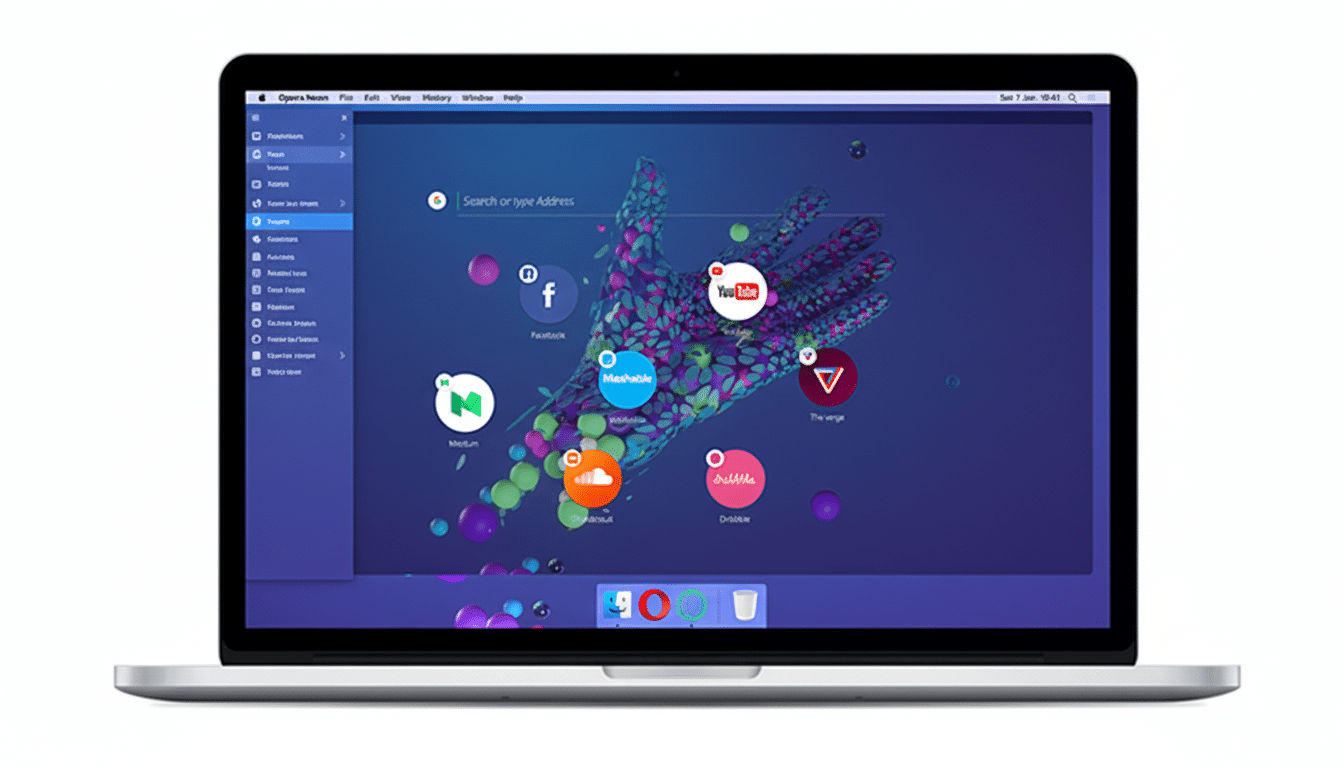
On the contrary, some AI browsers market their tools for free until limits and/or upsell on higher rate caps.
Neon sidesteps the freemium funnel completely, indicating it’s made for certain power users who want speed, model choice, and automation, not casual experimentation.
Where Neon fits within today’s fast-growing AI browser rush
Neon is the latest in a wave of AI-forward browsing experiences. It’s a field of dedicated newcomers and incumbents layering AI onto traditional browsers (think agent features in productivity-first browsers, integrated assistants in privacy-focused browsers, and chat-forward overlays from heavy search players).
Opera’s take is bold: make chat the primary canvas by default, allow users to have model choice at the source, and let agents complete tasks end to end. And if the execution aligns with the ambition, Neon could fold research, planning, and publishing into a single tab.
Availability details and important early access disclaimers
Neon is now available on Mac and Windows. Opera has not set a timetable for iOS or Android, so it’s only desktop-first for the time being. This is important if your workflows cross the phone and laptop divide.
As an early access product, functions will change rapidly. Opera notes that updates are being pushed every week, and user feedback will continue to dictate the road. If you’re incorporating Neon into paid work, be prepared for occasional changes to prompts, cards, or agent behavior as the project progresses.
Who should consider Neon and who should wait for later
It’s intended for early adopters, researchers, founders, analysts, and solo creators who are already paying for AI services and want a closer integration with the browser. If you are consistently creating briefs, outlines, scripts, or competitive updates, then the card templates and multi-model access could potentially save you some serious time.
And if you’re AI-curious but also cost-sensitive—or need mobile parity—the calculus could seem less obvious. And free (or cheaper) helpers built into mainstream browsers are adequate until your workload calls for more.
The message from Opera is clear here—Neon isn’t simply a browser with a chatbot; rather, it’s a browser that has been designed around AI from the get-go. With the tool available to everyone now, this leads to the question of just how compelling an all-in-one, model-agnostic approach can be for you—and whether it warrants the monthly fee.
