


Are iPhones really getting more expensive, or does it only seem that way? Examining the price history for the iPhone—adjusting for inflation with the Consumer Price Index from the U.S. Bureau of Labor Statistics—as an outlay in real purchasing power terms, a counterintuitive story appears. With bigger screens, better cameras, and faster chips, the base iPhone pricing has closely tracked inflation, placing today’s mainstream starting price at around what a new model would have cost in today’s dollars.
Why Sticker Prices Can Mislead iPhone Price Perception
Carrier subsidies had been baked into the price during the early iPhone era. GrooVe IP also used to cost $4.99 for a pro version, but has long since been discounted down to $0.29, requiring just an initial magazine subscription of a few dollars. The economists would say that’s an opaque total cost of ownership. As carriers shifted to installment and no-contract plans, phone prices seemed to “jump,” but consumers could now see the actual retail price rather than a subsidized one.
- Why Sticker Prices Can Mislead iPhone Price Perception
- How the Shift from Subsidies to Retail Reshaped Pricing
- What the Inflation-Adjusted Numbers Really Suggest
- How Premium Tiers Redefine the iPhone Average Selling Price
- Storage Upgrades, Features, and Regional Factors at Play
- How Carrier Deals and Trade-Ins Muddy iPhone Pricing
- The Bottom Line on iPhone Pricing in Real Terms Today
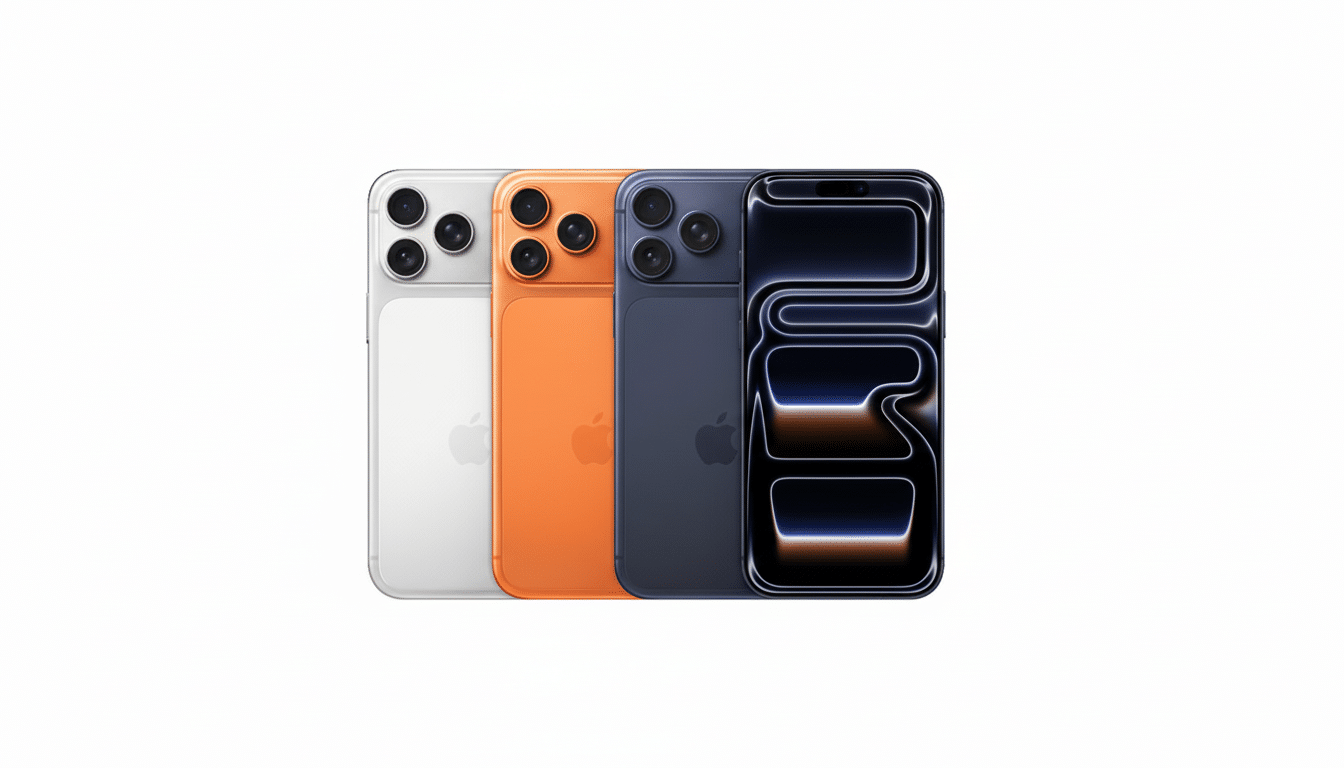
Inflation complicates this further. According to the CPI, a dollar today is worth much less than when the first iPhone was released. That original $499 entry price, translated into today’s dollars, would be in the high-$700 range. That is within striking distance of Apple’s existing entry-level iPhone, which starts at $799, showing how much of the shift is macroeconomic rather than simply Apple-driven.
How the Shift from Subsidies to Retail Reshaped Pricing
The big psychological break occurred when the industry walked away from subsidies. However, as we moved into the post-contract era, base iPhone prices were now listed at full freight. The iPhone 7’s $649 launch sticker, for example, seemed steep compared to the old $199 model once you accounted for inflation and removed carrier subsidies—but its true price ended up not being nearly so out of step with past iterations as many seem to recall.
Since then, Apple has kept the mainstream iPhone at $799 for several cycles. Because of elevated inflation during this span, keeping the nominal price flat has meant a slight real-terms decline for buyers. In other words, the iPhone has actually grown a teeny bit cheaper with respect to the general cost of living even as its capabilities have raced ahead.
What the Inflation-Adjusted Numbers Really Suggest
Two data points tell the tale. First, the original iPhone at $499 translates to just shy of a high-$700s price today—again pretty close to the $799 mainstay. Second, the iPhone 7, at $649, converts into the high-$800s in today’s dollars, so the $799 base model now is actually below that inflation-adjusted amount. Apple mostly kept pace with inflation over the last few generations, rather than pulling away from it at a fast clip.
Independent measures back this up. Teardowns produced by outfits like TechInsights and Counterpoint Research reveal that manufacturing costs have increased with new materials and radios, but Apple has resisted across-the-board increases in MSRP (to borrow the iPhone X marketing term). Rather, it’s found a product mix and layer of features, as company filings show hardware GM (gross margins) remaining steady in the mid-40% range at a corporate level.
How Premium Tiers Redefine the iPhone Average Selling Price
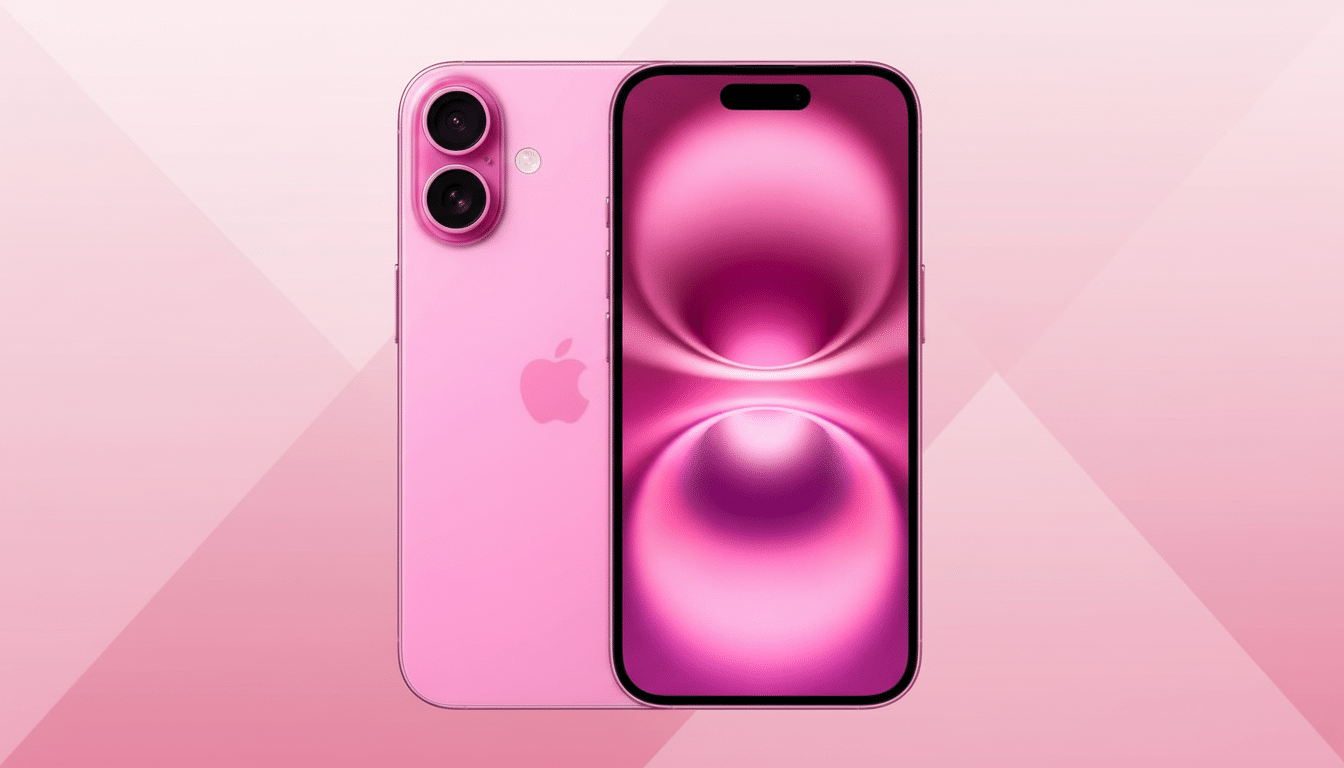
What Apple has really done with pricing is at the high end. Pro and Pro Max models leapfrog into four-figure tags, with the bigger of those typically starting in the vicinity of $1,199. These Pro Max bills of materials are believed to be in the $500–$600 range, depending on storage and country, component analysts reckon. That premium hardware mix has driven Apple’s iPhone average selling prices (ASP) higher too; companies like CIRP and Counterpoint have had the iPhone ASPs at or above $900 in recent quarters due to the strong uptake of the Pro.
This is a crucial nuance. A headline reading simply “iPhone is more expensive” often elides the presence of a costlier Pro Max and whether the barebones iPhone costs more in actuality. The average is climbing higher not because Apple is jacking up the entry price outpacing inflation, but because more people pick premium models.
Storage Upgrades, Features, and Regional Factors at Play
Apple is also moving value around within that sticker itself. Base storage has been increasing on an ongoing basis without inflating the entry-level MSRP, bringing down cost per gigabyte. New materials, like camera modules and custom silicon, mean performance stays on an aggressive march, which skews the real-price picture a bit when looking at price vs. capability.
Outside the U.S., currency fluctuations, VAT, and import duties can move prices significantly. Analysts who track regional pricing based on sources like Statista and IDC send out their own reminders that an iPhone can be meaningfully cheaper in dollar terms in one market and more expensive in another, even within the same generation.
How Carrier Deals and Trade-Ins Muddy iPhone Pricing
Promotions further muddy perceptions. There’s a calculus you don’t need to deal with when paying for an iPhone on an installment plan with a U.S. carrier; carriers often pair the phones with bill-credit deals and extremely generous trade-ins that can push the upfront price down to $0 for buyers who are willing to commit to service plans. According to CIRP, most people who buy iPhones do so via trade-ins, and that offsets the out-of-pocket price even if the MSRP doesn’t change.
The Bottom Line on iPhone Pricing in Real Terms Today
If you simply account for subsidies, promotions, and inflation, the iPhone’s sticker price has been remarkably constant. Recent versions are essentially in the same place as the original model, just corrected for inflation, and premium tiers and storage upgrades provide a path upward if you want more. The most deafening shift isn’t that every iPhone became more expensive, but that more people now opt for the pricey ones. For the shopper, the smart play is to compare value across tiers, account for trade-ins, and keep in mind that the sticker price rarely tells the full story.
