


An affordable disc-to-digital app is helping many people make a new home for the piles of old DVDs at their house that have not yet felt justified by an upgrade to Blu-ray or streaming.
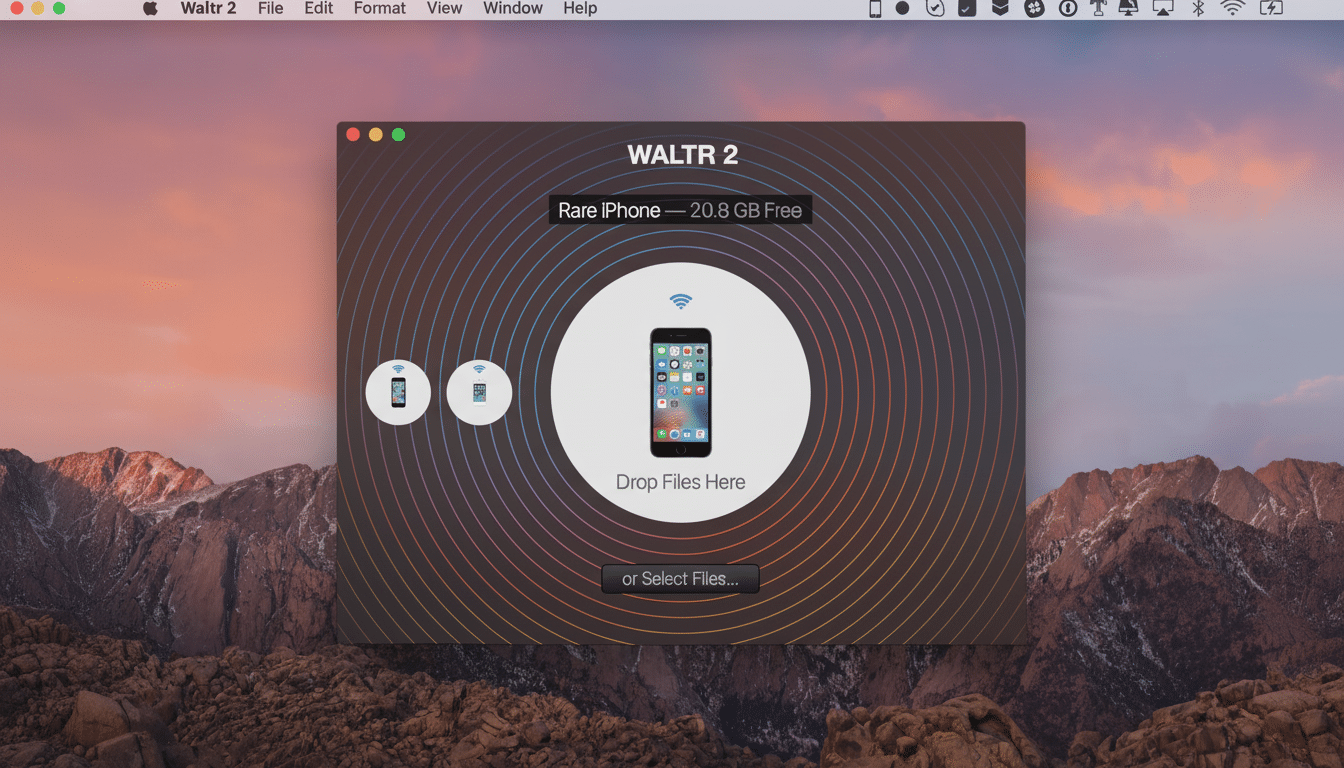
The app, called Waltr 2, allows users of Mac computers to quickly convert video on DVDs into files they can play on an iPhone or iPad inside the Videos app—good riddance, messy handmade MP4s!
- What This App Does Well for DVD-to-Digital Conversion
- Real-World Speed and Storage in Everyday Use
- Why Digitizing Your DVDs Matters for Access and Longevity
- Legal and Ethical Ground Rules for Ripping Your DVDs
- How It Compares to Free Tools Like HandBrake and MakeMKV
- Practical Buying Notes and Hardware Tips for New Users
For about $30 (with a one-time license), the app makes minutes-long work of converting old family videos and stacks of movies into high-resolution movie files in standard-issue formats like MP4.
It’s for anybody who wants their movie collection or home videos on their phones, tablets, smart TVs, or cloud drives—without having to shuffle discs between old hardware or be concerned about them degrading on the shelf.
The pitch is easy: insert a disc, choose MP4, MKV, MOV, AVI, or audio-only, and it does the rest. In an age when lots of laptops don’t even come with optical drives and streaming catalogs evaporate overnight, digitizing your own library has become not only feasible but also, for collectors at least, de rigueur.
What This App Does Well for DVD-to-Digital Conversion
The tool—available as DVDneXtCOPY DVD Ripper—works with nearly all disc types, including DVDs protected by CSS encryption or region-locked by systems such as Sony ARccOS protection. For us regular folks, that means fewer “can’t read disc” headaches when ripping legitimate, lawfully owned media to some kind of playable digital file we can shelve next to streaming apps.
Output choices include MP4 for wide compatibility, MKV for lossless containers, and MOV or AVI for old-fashioned workflows. Built-in editing allows you to trim, crop, merge clips, add watermarks, and select audio tracks or subtitles. There’s even a 2D-to-3D mode for VR headsets or 3D-capable TVs, a niche feature that will be interesting to savvy gamers who want to tinker with old games.
Real-World Speed and Storage in Everyday Use
Batch ripping and GPU acceleration are the killer features. Using modern Intel Quick Sync or NVIDIA NVENC/AMD VCE/VCN hardware, a two-hour DVD can be transcoded to a 480p H.264 MP4 in a matter of minutes instead of hours, depending on your settings and CPU/GPU. Modern PCs also fare better than older ones, encoding at greater-than-real-time speeds; archival-quality encodes are still slow-going, but with the offload to the GPU it’s hard not to recommend them.
File sizes are manageable. A well-encoded rip of an SD film should be around the 1–2GB mark with no visible loss. For reference, a 1TB drive can hold somewhere in the ballpark of 400 to 800 ripped movies at such settings. That is a compelling trade at current low storage costs and the convenience of scanning for media in your library without fussing with discs.
Why Digitizing Your DVDs Matters for Access and Longevity
You own physical media; you don’t own streaming rights. U.S. consumer spending on discs has plunged more than 70% in the past decade while streaming has soared, according to the Digital Entertainment Group. But studios frequently rotate titles, and entire seasons occasionally disappear from platforms. Maintaining a digital library—particularly of rare titles and family archiving—allows you access to what you own, whenever you want.
There’s also durability. DVDs can be scratched, and disc rot is always a possibility, on top of which optical drives are fast disappearing from new laptops and small-form-factor desktop systems. A digital archive future-proofs access, and backup strategies are simple to implement on NAS devices or cloud storage.
Legal and Ethical Ground Rules for Ripping Your DVDs
Laws vary by country. The U.S.’s DMCA rules on anti-circumvention limit your ability to bypass copy protection, even for personal use, although the Library of Congress occasionally grants specific exemptions (common for educators, documentary makers, and preservation). The Electronic Frontier Foundation, by contrast, has called for a wider array of consumer rights, though the results are mixed. In brief: only rip discs that you own, use the files for legal personal uses, and double-check local restrictions before getting started.
How It Compares to Free Tools Like HandBrake and MakeMKV
Open-source stalwarts like HandBrake provide great control over encoding, but they aren’t capable of handling protected discs without additional components. MakeMKV is known for direct near-lossless backups, but usually requires a second encode pass to produce MP4s small enough to carry on most mobile devices. The $30 product entices users by packaging decryption support, editing, batch automation, and GPU acceleration in a single interface with a lifetime license.
Practical Buying Notes and Hardware Tips for New Users
The app’s promotional price has been about $25 against a list price of around $60, while the usual street price is posted as around $30. And there’s no subscription, which is becoming more and more a rarity for media software. Currently available for Windows PCs; Mac users should check compatibility or alternatives.
One other piece of advice for new users: if your computer doesn’t have an optical drive, get a USB DVD drive, which will cost you approximately the price of one new-release movie and plugs straight into a laptop. Set your desired quality preset once, queue up a stack of discs, and let the batch rip process run. Your living room can reside in your media server, tablet, or TV app by evening, with your favorite movies ready for streaming.
Bottom line: if you’re sitting on a wall of discs or a decade’s worth of camcorder DVDs, this $30 all-in-one ripper is an affordable and fast way to archive your collection and make it available everywhere with no shelf space required.
