


Attention is being drawn to a bargain-priced DVD ripper that offers this straightforward promise: take just about any DVD you own and transform it into a digital file you can play anywhere. For collectors who still have shelves of movies, concert discs and family recordings, the pitch is simple — fast, wide compatibility — with formats that work on today’s phones, tablets and smart TVs.
What this $25 DVD ripping tool actually does for users
The value proposition of the software is both breadth and ease. It can accept most DVDs, region-coded discs and those with basic protection included, and convert them into common containers and codecs such as MKV, AVI, MOV, or MP4. You can also export MP3 files, if you’re archiving a concert or commentary track.
- What this $25 DVD ripping tool actually does for users
- Why disc-to-digital conversion matters for collectors now
- Real-world use cases for backing up and converting DVDs
- What to expect on ripping speed, formats, and output quality
- Legal and ethical ground rules for backing up your DVDs
- How it compares to free, open-source ripping alternatives
- Bottom line: a simple, low-cost way to preserve your DVDs
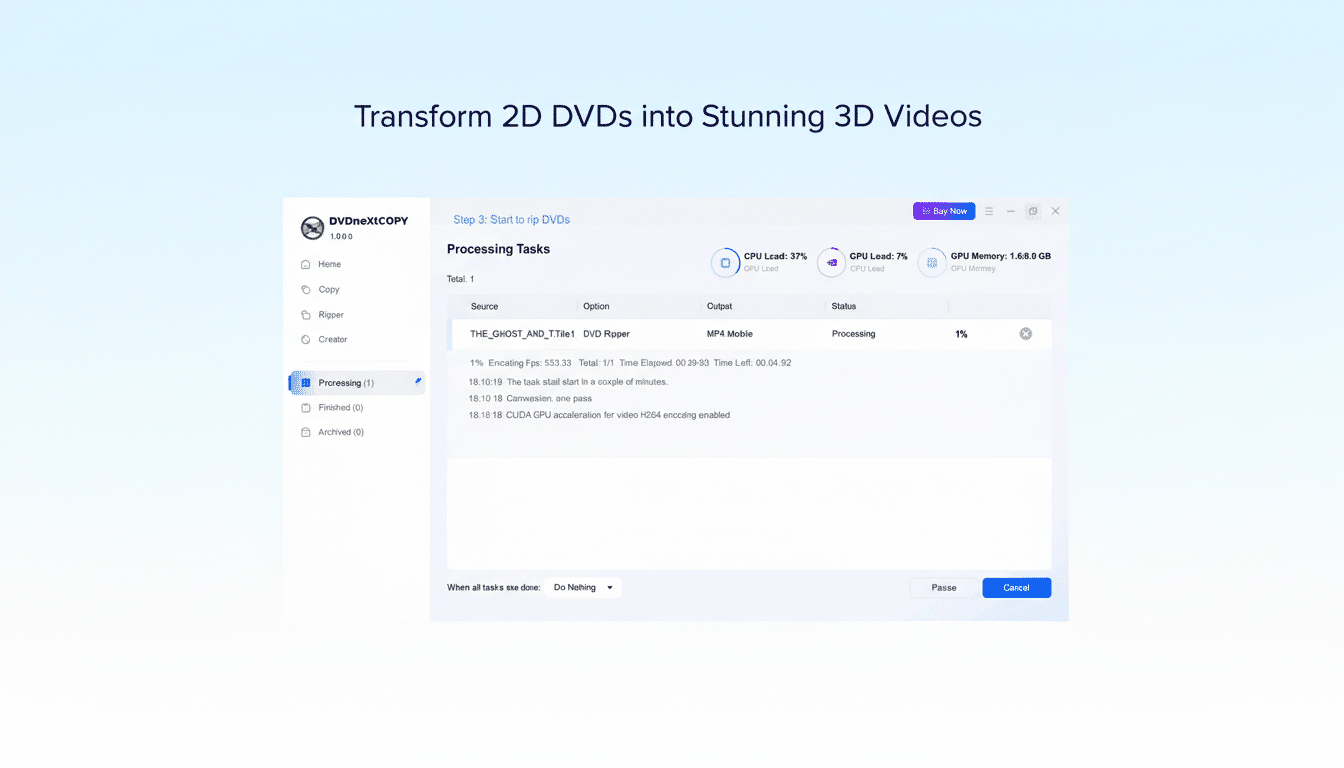
There is more than one button to click through here. And thanks to built-in editing, you can trim a highlight reel, crop out some letterbox bars, merge segments together, tweak the brightness or burn in a watermark. You can extract or keep subtitles with a chosen language, and choose chapters. There’s a live preview so you can make sure it all looks right before you rip the whole thing.
On performance, GPU acceleration is there to fast-track transcoding, and batch mode lets users pile a stack of discs in without babysitting things. The end product is a collection you can store on a computer (or an external hard drive or media server) and enjoy at home, when away and on any modern device.
Why disc-to-digital conversion matters for collectors now
Optical drives have become much less common on new PCs, so you’ll likely have to add one if you want to read the contents of that backup file.
And for anyone who still values those platters, transferring content to digital files is rational insurance against hardware scarcity and disc degradation.
Industry trends reinforce the urgency. Despite the double-digit declines in physical disc sales that are recorded and reported by the Digital Entertainment Group as streaming continues to command more consumer dollars, millions of households continue to own legacy libraries. Content longevity is better when you keep multiple copies in different places — local storage, a NAS, and a backup, for example — and mitigate the risk of any one point failing.
Storage costs make this practical. A 1TB drive has enough capacity for approximately 150–250 DVD-quality films, dependent on encoding settings. For family videos or out-of-print titles that were never released to streaming, a $25 ripper combined with a modest hard drive is a low-friction preservation method.
Real-world use cases for backing up and converting DVDs
The obvious situation is converting a beloved movie into an MP4 for a tablet. But this data type is personal content that sparkles: wedding DVDs, school recitals and camcorder transfers. Trimming the beginning, merging clips while keeping original subtitles or audio are also helpful to clean up legacy footage.
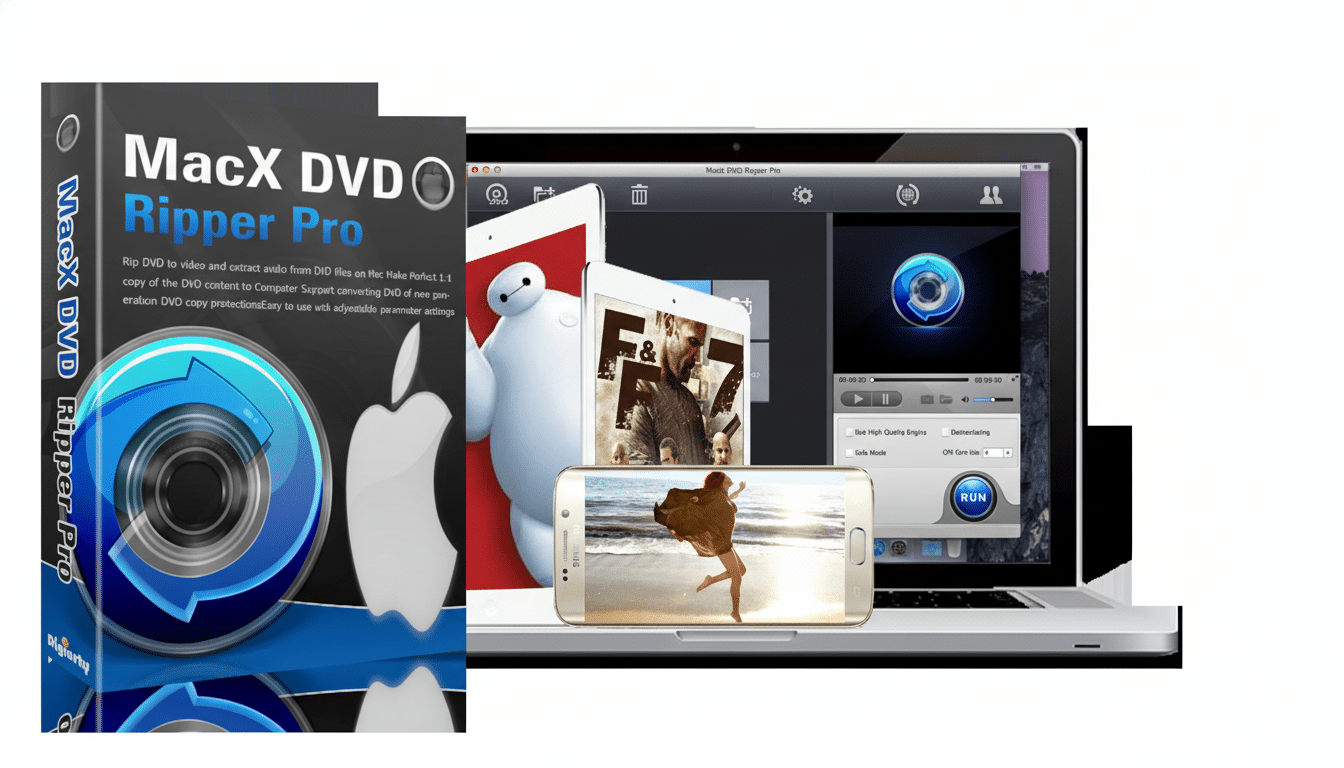
Dual-output makes sense to music fans, who will want to rip that concert-DVD and then … keep the 5.1 audio track and generate a stereo MP3 for listening on their commute. Sports collectors can single out particular chapters — a championship quarter, or highlight reel — without re-encoding the entire disc.
What to expect on ripping speed, formats, and output quality
The time of transcoding depends on the CPU/GPU and selected parameters. With hardware acceleration enabled, most people have a full-size DVD in less than an hour (less on fast machines). When H.264 is the target, moderate file sizes of 2GB to 4GB are typical for a film, and the larger you make your bitrate, or the simpler your path to lossless, the larger the files will end up but with more detail kept intact.
If you’re building a home media server, MKV is great since it supports multiple audio and subtitle tracks. For widest device compatibility, MP4 is still the safest option. Either way, you can preview your adjustments via a live preview feature to try and strike the right balance between quality and size before embarking on a batch run.
Legal and ethical ground rules for backing up your DVDs
Laws vary by country. In the US, the DMCA usually prohibits bypassing copy protection but there are some narrow exemptions given by the Library of Congress from time to time. Some consumers seem to believe personal backups are okay, but that’s not so simple when there’s DRM in the mix. The safest tack may be to back up the content you own, and check local laws before you rip, particularly when it comes to protected discs.
Groups such as the Motion Picture Association and the Library of Congress offer detailed advice on copyright, exemptions and more. If you are doing it with family videos or home-authored discs, you are in the clear; however, when using retail media, go slow and be legal.
How it compares to free, open-source ripping alternatives
Open-source tools can be very effective, but sometimes require additional pieces or more technical setup, especially with region codes and advanced function sets — batch queues, embedded-subtitle handling. There’s a $25 custom app that gives access to presets, editing tools and a friendlier interface, which is nice if you like your results predictable and are tired of tinkering.
Bottom line: a simple, low-cost way to preserve your DVDs
For anyone with shelves full of discs and a fast-disappearing tolerance for command-line gymnastics, this $25 ripper offers a simple route from plastic to pixels. It is intended to (1) play most DVDs, (2) generate video files one can play on a device, and (3) save time with its GPU acceleration and batch mode. With optical drives waning and streaming catalogs shifting, that’s a small price to pay for keeping those movies, concerts and family recordings available when you want them.
