


Netflix has quietly disabled casting from its mobile apps to many modern Google TV hardware devices, such as Chromecast with Google TV and devices that run on Google’s new TV interface. Users started seeing the Cast icon disappear in recent weeks, and Netflix’s own help center has begun confirming the lack of support. The exceptions are older Chromecast dongles without remotes and some TVs that support Google Cast natively — and those won’t work if you’re on Netflix’s ad-supported tier.
What Changed and Who It Affects Across Google TV Devices
The shift is over Netflix’s mobile-to-TV casting function, which has been a core part of the original Chromecast experience. Casting from iOS and Android to most smart TVs and streaming boxes has been removed in Netflix’s latest guidance. In other words: Chromecast with Google TV, the newer Google TV Streamer hardware, and most Google TV smart TVs will no longer show up as Cast targets within the Netflix app.
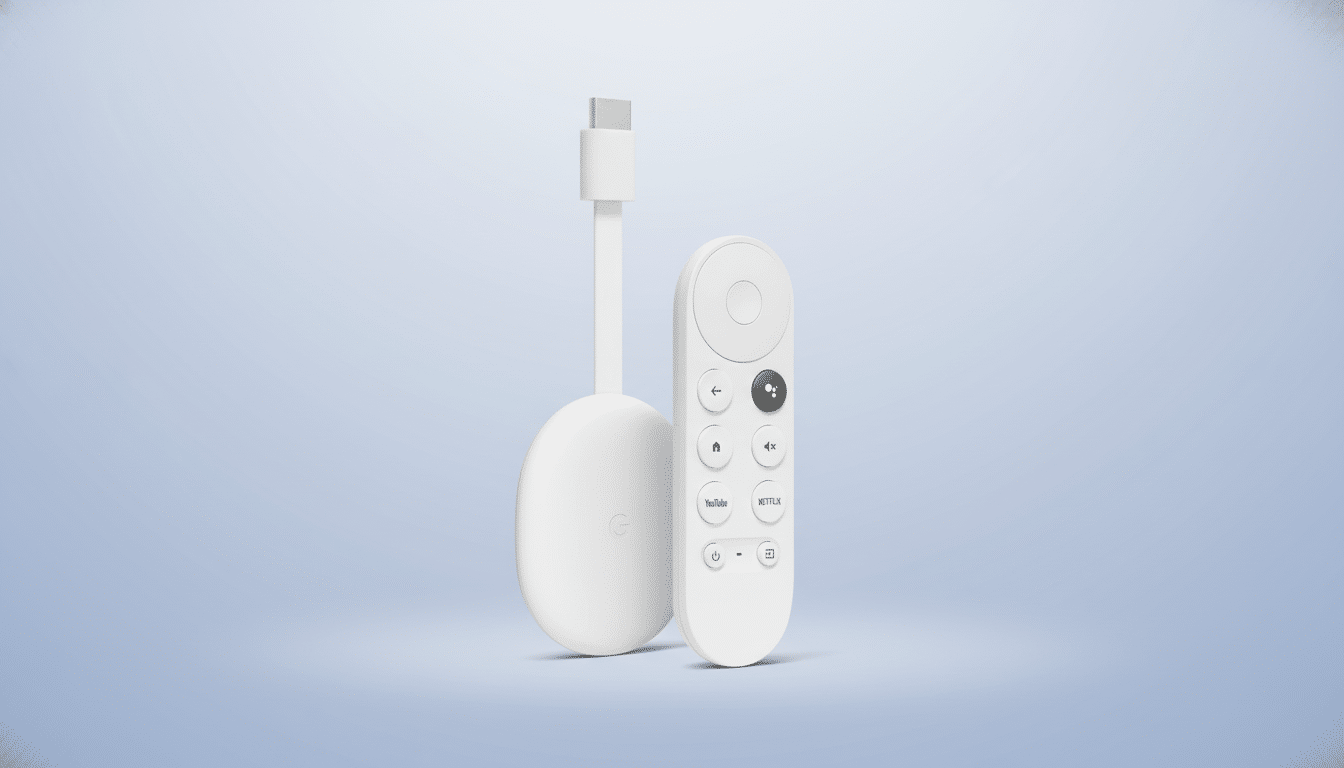
There are two narrow exceptions. First, older, puck-style Chromecasts that don’t ship with a remote can still cast Netflix — but only if you’re on an ad-free plan. Second, some television devices with Google Cast built in may also continue to work when they receive a Cast command — again, only on ad-free plans. Ad-supported plans are not supported on these legacy paths.
Reports from Reddit and the Google support community echo this policy: older Chromecast dongles still appear in Netflix’s Cast menu, but newer devices such as the Chromecast with Google TV, Google TV Streamer, and most built-in Google TV TVs no longer function as destinations. Summary: “If the device has a remote, you can’t cast,” said one Netflix support representative in messages circulated by users.
Why Netflix Might Be Doing This Across Google TV Platforms
Netflix has not released a technical white paper that explains the decision, but it is part of a larger trend toward remote-first TV experiences. Launching the native Netflix app on a device enables Netflix to have complete control over navigation, playback behavior, and ad insertion. It is more challenging to provide that consistency when playback starts on a phone and then hands off over Cast, particularly in a fragmented world of TV silicon, firmware, and app versions.
There’s also an ad-tech angle. Among the ad-supported tiers at Netflix, precision measurement, frequency control, and creative rotation are key. When the TV app owns the complete session, it’s also much easier to guarantee that the right ad plays to the right household at precisely the right time. In casting, the session state and identity are transferred between two devices, making measurement and rights management more complicated. Limiting casting sources could also trim those failure points and help tighten control over content.
Scale matters here. Netflix has more than 270 million subscribers worldwide, according to its most recent earnings reports. On the other side, Google has installed tens of millions of Chromecast and Google TV devices in homes, including with big television partners like Sony, TCL, and Hisense. At that scale, even small reliability gains can reduce support calls and increase satisfaction — though early user backlash suggests that hearth and home can also feel lopsided.
What Still Works on Chromecast and Practical Workarounds
It’s not that your device isn’t getting Netflix anymore — just the Cast-from-phone ritual has been revamped. It’s easiest to go through the native Netflix app on your Chromecast with Google TV, Google TV Streamer, or any of the new Google TVs if you’re using its included remote control. Profiles, My List, and voice search are all still there, and you get the newest Netflix app optimizations courtesy of Sony.
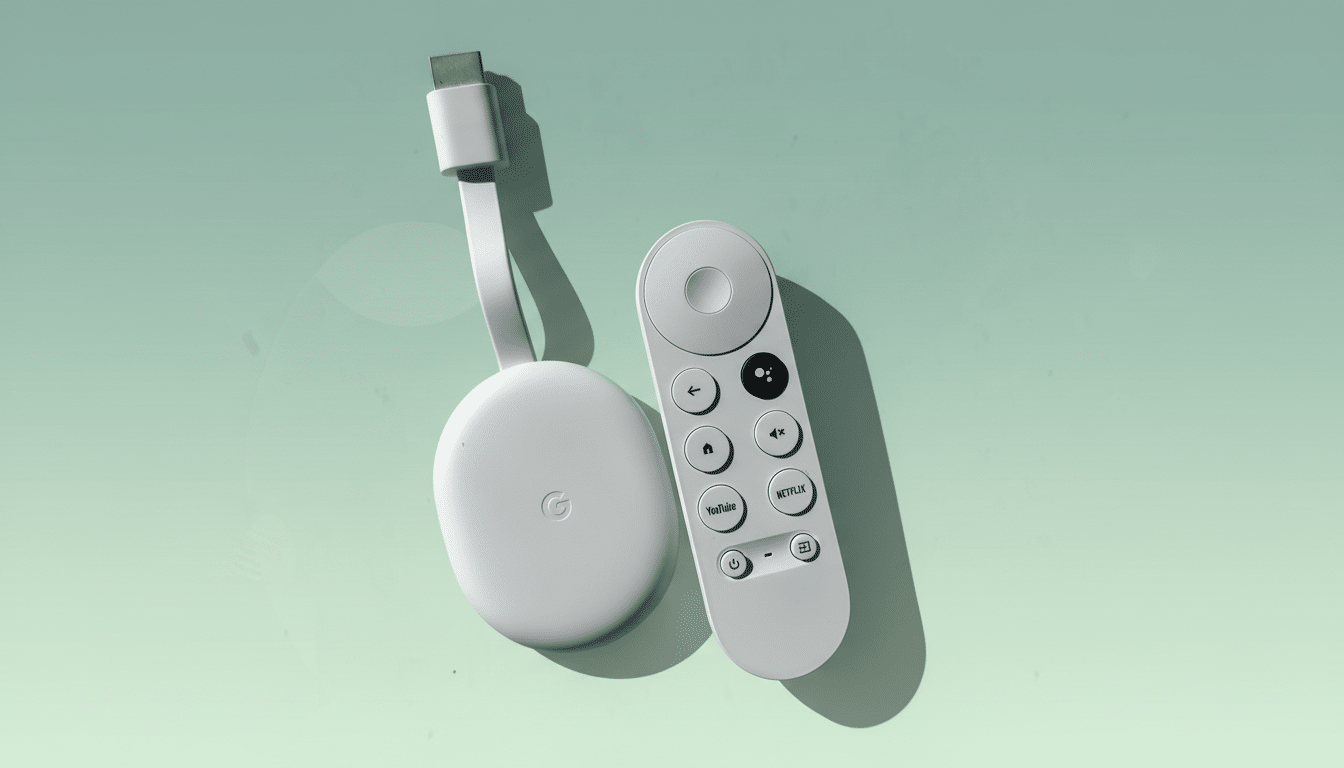
If you appreciated the ability to use your phone as a remote, there is a virtual remote inside the Google TV mobile app that will replicate the buttons on your hardware remote, maintaining its phone-first experience without requiring Cast.
Naturally, voice commands using Google Assistant on the remote or device — “Play Stranger Things on Netflix,” for example — also help speed up navigation.
Legacy Chromecast owners on ad-free plans can still cast from the Netflix app in the usual way. (Note this may be a passing path; Netflix’s rule of thumb here is these are devices it feels deliver the exception, not the rule.) And, crucially, casting from within other apps such as YouTube or Disney+ remains unaffected — this is a Netflix-only policy.
How This Affects Users and the Streaming Ecosystem
This represents a significant step back for people who relied on casting to keep the TV interface clean and simple. Now, parents who lined up kids’ shows from their phones, or roommates who handed the Cast button back and forth, must pivot to the TV app and its remote. That may be friction for some, but a major disruption for others who liked the phone-based workflow that made early Chromecast use so beloved.
For platform owners, Netflix’s stance highlights a power center: native apps on the largest screen. Look for other services to continue prioritizing remote-first playback where ad delivery, measurement, and quality can all be tightly controlled. Meanwhile, device manufacturers will highlight quick app launch speeds, reliable Wi-Fi connections, and responsive remotes to make it easier for habitual casters to get used to life without the Cast button.
The bottom line: Netflix casting on modern Chromecast with Google TV and Google TV Streamer devices is a thing of the past. Open the Netflix app on your TV hardware, and control it with your remote or with Google’s virtual remote, and you get the experience that Netflix intends — just not the one that characterized those earliest days of Chromecast.
